Poultry farming — ornamental and conservation breeds
Ornamental poultry and conservation breeds are kept not for maximum production but for beauty, tradition and biodiversity. We show how to choose a breed, join a genetic resource conservation programme, keep pedigree records and prepare birds for a show — step by step, in plain language.
verifiedFrom the team that has organised work on poultry farms for years.
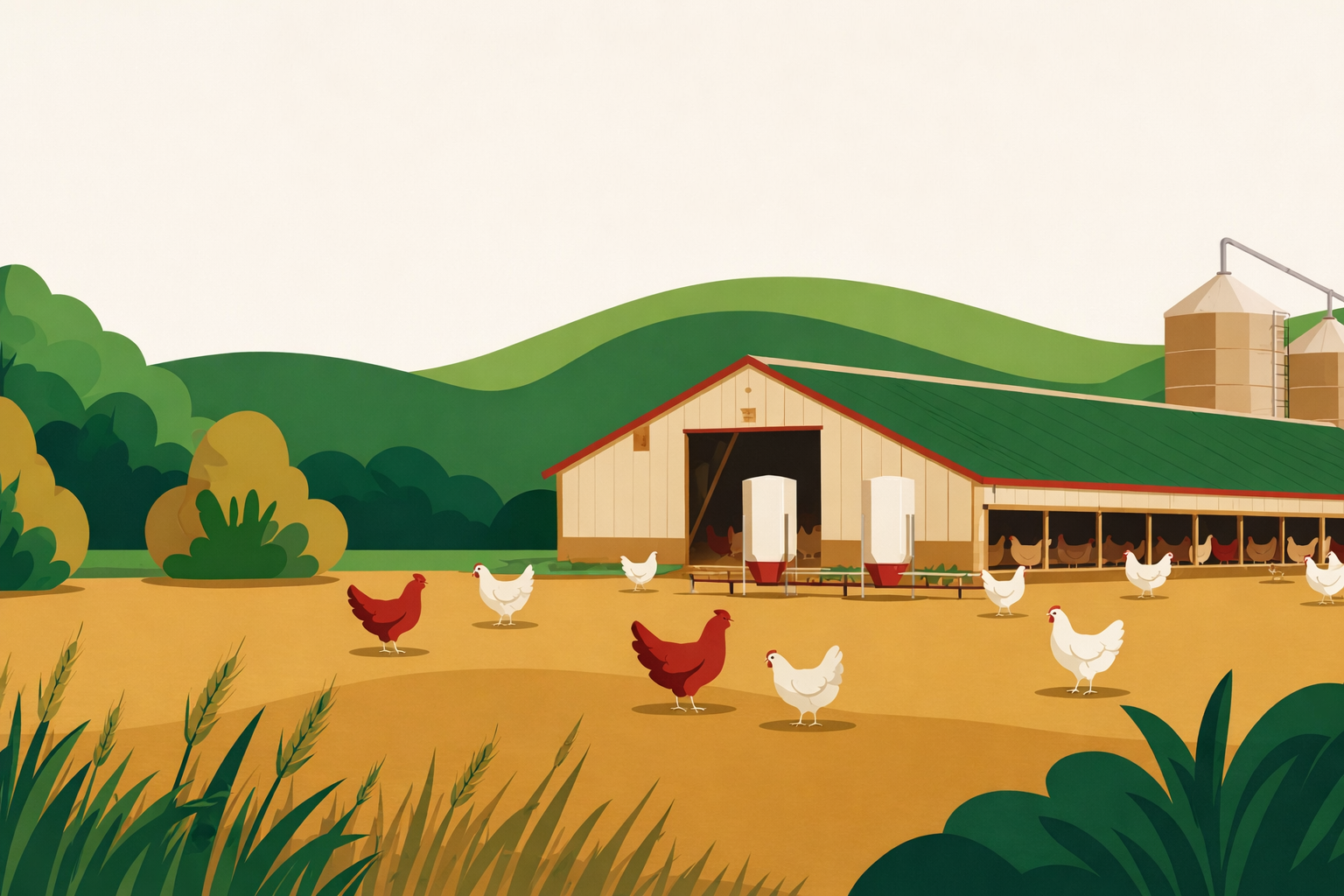
What ornamental poultry and conservation breeds are
Ornamental poultry are birds kept mainly for their looks — plumage, build, crests or unusual colouring. Conservation breeds, in turn, are old local varieties (such as native breeds) protected from extinction because they carry a valuable, unique genotype. They share one thing: they are kept not for a record number of eggs or fast meat gain, but for beauty, tradition and biodiversity. This is a completely different approach from raising poultry for sale, where production results count.
Why protect old breeds
Modern production relies on a few genetic lines selected for performance. Old breeds may be less productive, but they are often more resilient, cope better with harsher conditions and carry traits that may one day prove priceless for breeding. Conserving them protects a living heritage and genetic material that cannot be recreated. Many Polish varieties are described in our guide to native breeds of hens.
Ornamental hens, ducks and geese
The choice is wide. Among ornamental hens you will find crested, silkie, bantam and decorative coloured varieties. There are also ornamental ducks (for example, varieties with striking plumage) and ornamental geese, kept for their build and colour. When choosing, it is worth comparing the birds’ character, requirements and temperament — our overview of hen breeds helps, along with the awareness that an ornamental breed rarely matches a production breed in laying or meat yield.
Lower productivity is a deliberate choice
A breeder of ornamental and conservation breeds accepts upfront that the birds will lay fewer eggs and grow more slowly. The goal is not production profit but preserving breed traits, success at a show or taking part in a conservation programme. That makes documentation all the more important: origin, register, welfare and flock health. You can keep all of it conveniently in poultry farm management software, even with a small collector’s flock.
How to start keeping ornamental and conservation breeds
Six steps from idea to running a flock — from choosing a breed and a breeding goal to records and shows.
Define your breeding goal
First decide why you are keeping the birds: for enjoyment and beauty, for showing, or to protect an endangered breed. The goal determines everything that follows — breed choice, flock scale and the documentation needed. If you are just starting out, read the guide on poultry farming for beginners.
Choose the breed and species
Match the breed to your means: ornamental hens (crested, silkie, bantam), ornamental ducks or geese, and for conservation — a heritage breed with local tradition. Check requirements, temperament and bird availability from trusted breeders. Our overview of native breeds of hens will help.
Prepare the housing conditions
Ornamental breeds often have specific needs — crested birds see worse, silkies tolerate damp poorly, and some breeds require an outdoor run. Provide a dry, safe house and a suitable run. The general rules of getting started are described in the guide on poultry farming step by step.
Source birds from a reliable origin
Buy from breeders who can document the origin and purity of the breed — this is the basis of value for an ornamental and conservation flock. Ask for a pedigree or confirmation of breed membership and check the birds’ health. Good origin protects against crossbreeds passed off as a breed.
Register the flock and keep records
Even a small flock may be subject to registration and recording duties. Check the requirements in the guide on poultry flock registration and report the flock in the IRZplus register where it applies to your species and scale. The ARiMR portal can be unintuitive, so you can have DlaFerm.pl file the IRZplus reports for you — automatically, if you wish. This is also a condition for entering many conservation programmes.
Breed, document and show
Run breeding with breed traits in mind: pair birds, mark them and record the origin of the offspring. If you wish, enter birds in shows and genetic resource conservation programmes. You can conveniently record origin, hatches and health in a digital Flock Card.
Formalities, costs and risks
Six areas easy to forget when keeping ornamental and conservation breeds — from conservation programmes to welfare and sales.
Conservation programmes and payments
Conservation breeds may be covered by a genetic resource conservation programme run by a research institute, and a participating breeder may be eligible for financial support. The conditions, breed list and application rounds change every year — check them in the current programme documents and with the coordinator before you plan your flock.
Origin and registers
The value of an ornamental and conservation bird rests on its origin. Keep a pedigree book, mark birds with rings and record from whom and what material you obtained. Without a credible register it is hard to confirm breed purity — and that is what decides the price and eligibility for conservation programmes.
Welfare of birds with special needs
Many ornamental breeds require above-standard care: crests covering the eyes, delicate plumage or sensitivity to cold and damp. Provide dry litter, protection from predators and calm conditions. Welfare is not just a legal requirement — it is also a condition for good show form.
Health and biosecurity
A small collector’s flock is often exposed to diseases brought in from shows, fairs and new purchases. Apply quarantine for new birds and the basic rules of poultry farm biosecurity. Remember the obligations related to avian influenza, which also cover ornamental poultry.
Sales and shows
Selling hatching eggs, chicks and ornamental birds is subject to the rules of poultry trade — for farm sales, check the requirements of agricultural retail trade. Taking part in shows usually requires veterinary certificates and compliance with the organiser’s rules and current regulations on moving birds.
Flock documentation
Even hobby breeding needs orderly paperwork: a flock register, origin, health and — where it applies — a veterinary number and registration. Digital records save time during an inspection, a show and an application to a conservation programme, and at the same time tidy up the breeder’s work.
Frequently asked questions about ornamental and conservation breeds
What is the difference between an ornamental and a conservation breed?add
An ornamental breed is birds kept mainly for their looks — plumage, build or unusual traits. A conservation breed is an old local variety protected from extinction because of its unique genotype. In practice these categories often overlap, because many native breeds are ornamental at the same time.
Are there payments for conservation breeds?add
Yes, breeders taking part in animal genetic resource conservation programmes may be eligible for financial support. The list of covered breeds, the conditions and the application rounds change every year, so they must be checked in the current programme documents and with the coordinator. Documented origin and keeping records are essential.
Does keeping ornamental breeds have to be registered?add
It depends on the species and scale. Some flocks are subject to registration and recording in the IRZplus system, and joining conservation programmes almost always requires a formal flock report. It is best to check this before setting up a flock, using our guide to poultry flock registration.
Do ornamental breeds lay well?add
Usually worse than production breeds — lower laying and slower growth are a deliberate cost of keeping birds for beauty and genotype protection. Some native breeds lay decently, but a record is not the aim. If you care about production results, a laying or meat breed is a better choice.
How do I document an ornamental bird’s origin?add
Keep a pedigree book, mark birds with rings and record from whom and what material you obtained, as well as the offspring it produced. When buying, ask for confirmation of breed membership. Without a credible register it is hard to confirm breed purity, which decides the value and eligibility for a conservation programme.
Can I show and sell ornamental poultry?add
Yes, but trade and shows are subject to rules on moving and selling poultry. For farm sales, check the rules of agricultural retail trade, and before a show — the required veterinary certificates and the organiser’s rules. Also keep in mind the current restrictions related to avian influenza.
Run your ornamental and conservation breeding in one place with DlaFerm.pl
Want origin, welfare and flock documentation under control — even with a small collector’s flock? We will show you how DlaFerm.pl simplifies records and preparation for shows and conservation programmes. Write to us.
Phone
+48 796 258 151