Intermittent lighting in poultry
An intermittent programme means repeating blocks of light and dark across the day, instead of one long photoperiod. Set up well, it gives birds more rest, supports leg health and saves electricity. We explain how it works, where the limits are and how to square it with the darkness welfare needs.
verifiedFrom the team that has organised work on poultry farms for years.
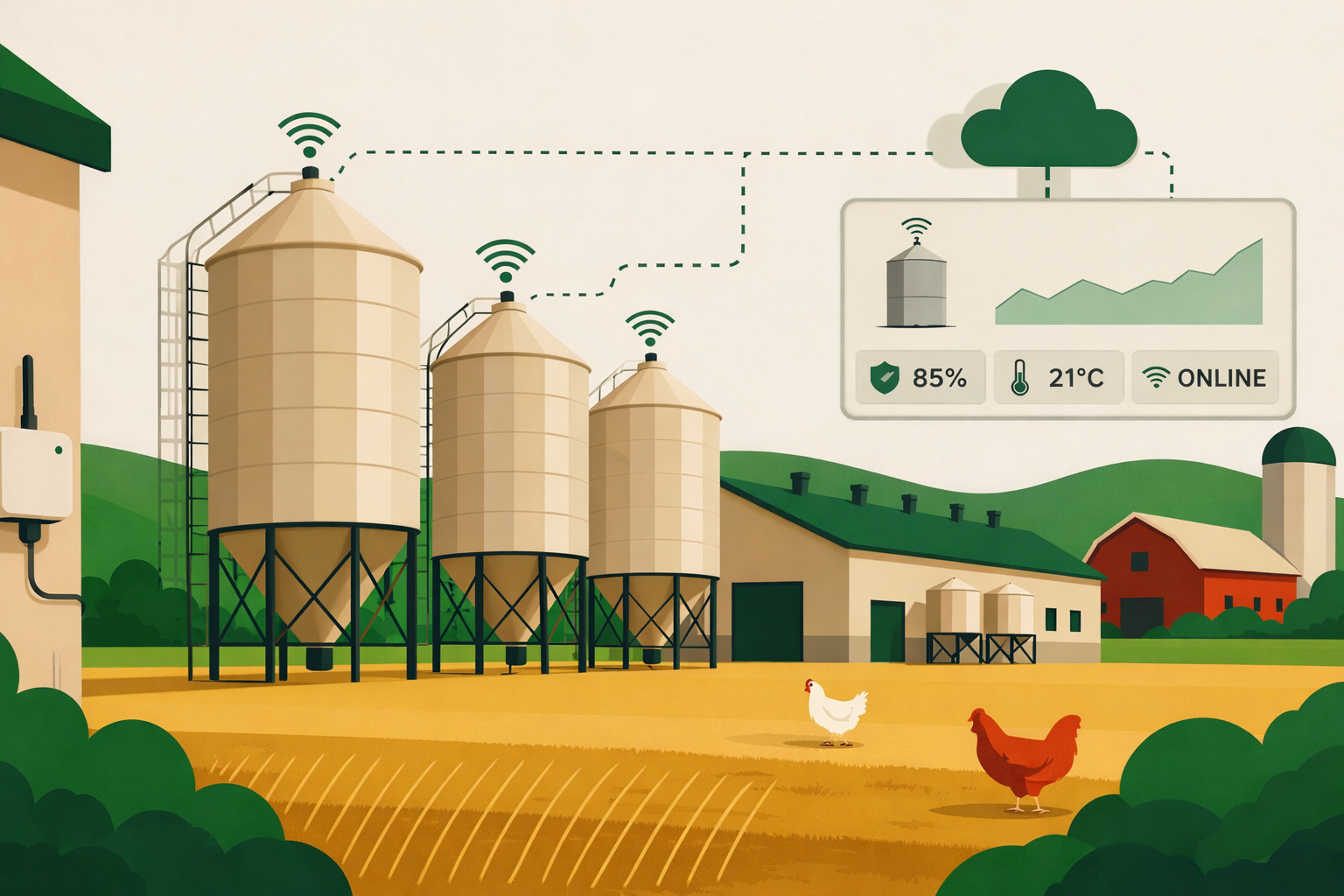
Intermittent lighting, or an intermittent programme, is a way of setting the light in the house: instead of one long “lights-on” period, the birds get repeating blocks of light and dark — for example a few hours of light, then dark, and so on through the 24 hours. It’s used mainly with broilers, sometimes other poultry. It’s a management tool that can help when set up well, but it has to be matched to bird age, welfare rules and your own equipment.
Why break up the light?
The point is to let the birds really rest. In the dark blocks broilers lie down and sleep more, which supports leg health and can reduce sudden-death and metabolic problems. Feed and water use spreads out more evenly, and lights off for part of the day simply means a lower electricity bill. This is not the same as a layer photostimulation programme — there the goal is to trigger lay; here it’s about rest, growth and broiler welfare.
How an intermittent programme works and where its limits are
Repeating blocks of light and dark give birds rest and save electricity, but they must still provide enough sleep, feed and water. It’s a tool you add to good flock management, not a fix for everything.
What intermittent lighting is
It’s a light programme where the day is split into repeating blocks of light and dark — for example a few hours of light, then dark, over and over. Instead of one long photoperiod the birds get several shorter cycles. It’s most often used with broilers, because it helps order their rest, activity and feed intake across the 24 hours.
Better rest and leg health
In the dark blocks broilers lie down and sleep more instead of walking to the feeder all the time. Calmer, broken-up rest supports leg health and can cut sudden-death and metabolic problems linked to very fast growth. It’s one of the main reasons growers reach for intermittent programmes in the first place.
More even feed and water
The birds eat in the light blocks, so feed and water use spreads more evenly across the day. For many flocks that means better feed efficiency. There’s one condition: in every light block the birds must have full access to feed and water, which is why a feed run is often timed with lights-on.
Saving electricity
With the lights off for part of the day, energy used for lighting drops. At today’s power prices that’s a real line in the cost of running a house. The saving depends on the exact programme and kit, but the principle is simple: fewer lit hours means a lower bill — as long as bird welfare doesn’t suffer.
Darkness is required
The total amount of darkness across the day matters for welfare. Broilers need a meaningful, continuous dark period to rest, and EU broiler welfare rules require darkness in the lighting schedule. An intermittent programme must not fragment sleep so much that the birds have no time to rest — that’s a line you mustn’t cross.
Equipment and the brooding period
An intermittent programme works best with dimmable LED lighting and a controller or timer that runs the light and dark blocks evenly. In the first days of brooding the chicks usually get long or continuous light so they learn to eat and drink well, and the intermittent programme is phased in only later, once the birds are settled.
How to introduce an intermittent programme step by step
- 1
Check welfare needs and equipment
Start with the basics: how much darkness the broiler welfare rules require and whether you have dimmable LED with a controller or timer. Without even light control and planned darkness there’s no point starting. Set this frame before you write out a specific programme.
- 2
Brood on long light
In the first days of life give the chicks long or continuous light so they learn to find feed and water well. This is when the birds build their start, so don’t cut it short. You’ll introduce the intermittent programme only once the flock is settled and confidently using the feeders and drinkers.
- 3
Lay out the light and dark blocks
Plan the day as repeating blocks: a few hours of light, then dark, and so on. Make sure the total darkness meets the welfare requirement and gives the birds continuous rest. Avoid fragmenting sleep into pieces so short that the birds never really rest.
- 4
Sync feed runs with lights-on
The birds eat in the light blocks, so a feed run is often timed with the lights coming on. Make sure every light block has enough feed and water for the whole flock, with feeders and drinkers well spread out. That’s the condition for the programme to help rather than hold back growth.
- 5
Phase it in and watch the flock
Move onto the intermittent programme smoothly, not overnight. Watch how the birds respond: do they rest calmly in the dark, how is the gait and the litter quality, is feed and water intake even. A calm flock with healthy legs is a sign the programme is set up well.
- 6
Record the programme and adjust with age
Note which light programme you’re running and how it changes with bird age, because a broiler’s needs in week one differ from those near the end of the cycle. Notes next to the flock card let you compare results between batches and repeat what actually worked at your place.
Frequently asked questions about intermittent lighting
How does an intermittent programme differ from one long photoperiod?add
In an intermittent programme the day is split into repeating blocks of light and dark — for example a few hours of light, then dark, over and over — instead of one long “lights-on” period. That way the birds rest regularly in the dark blocks rather than walking to the feeder non-stop. It affects leg health, how evenly feed is taken and electricity use.
Is intermittent lighting good for broilers?add
Set up well it can help: more rest in the dark supports leg health, can cut sudden-death and metabolic problems, and lights off for part of the day saves electricity. But it’s a management tool, not a cure-all — it must be matched to bird age, the required darkness and your equipment. Set up badly, fragmenting sleep, it will harm welfare.
How much darkness must broilers have?add
The total amount of darkness across the day matters for welfare, and EU broiler welfare rules require a dark period in the lighting schedule for rest. It’s worth checking the exact figures in the rules and in the guidance for your bird line. The principle is constant: an intermittent programme must leave the birds enough continuous darkness to genuinely rest.
Does an intermittent programme limit feed access?add
It shouldn’t, if it’s set up well. The birds eat in the light blocks, so every light block must give the whole flock full access to feed and water, with feeders and drinkers well spread out. A feed run is often timed with lights-on. Set up correctly, feed intake is more even, not restricted.
Record your light programme in DlaFerm.pl
In DlaFerm.pl you note which light programme you run in a given batch — the light and dark blocks and the changes with bird age — all next to the flock card. Create a free account or write to us.
Phone
+48 796 258 151