Natural light in a poultry house — windows and bird welfare
Daylight does more in a poultry house than just light it up. It regulates the daily rhythm, prompts the birds to move and reduces apathy, and several welfare standards require it outright. We explain how to bring windows and roof lights into a poultry house and how to balance them with blackout and the lighting programme.
verifiedFrom the team that has organised work on poultry farms for years.
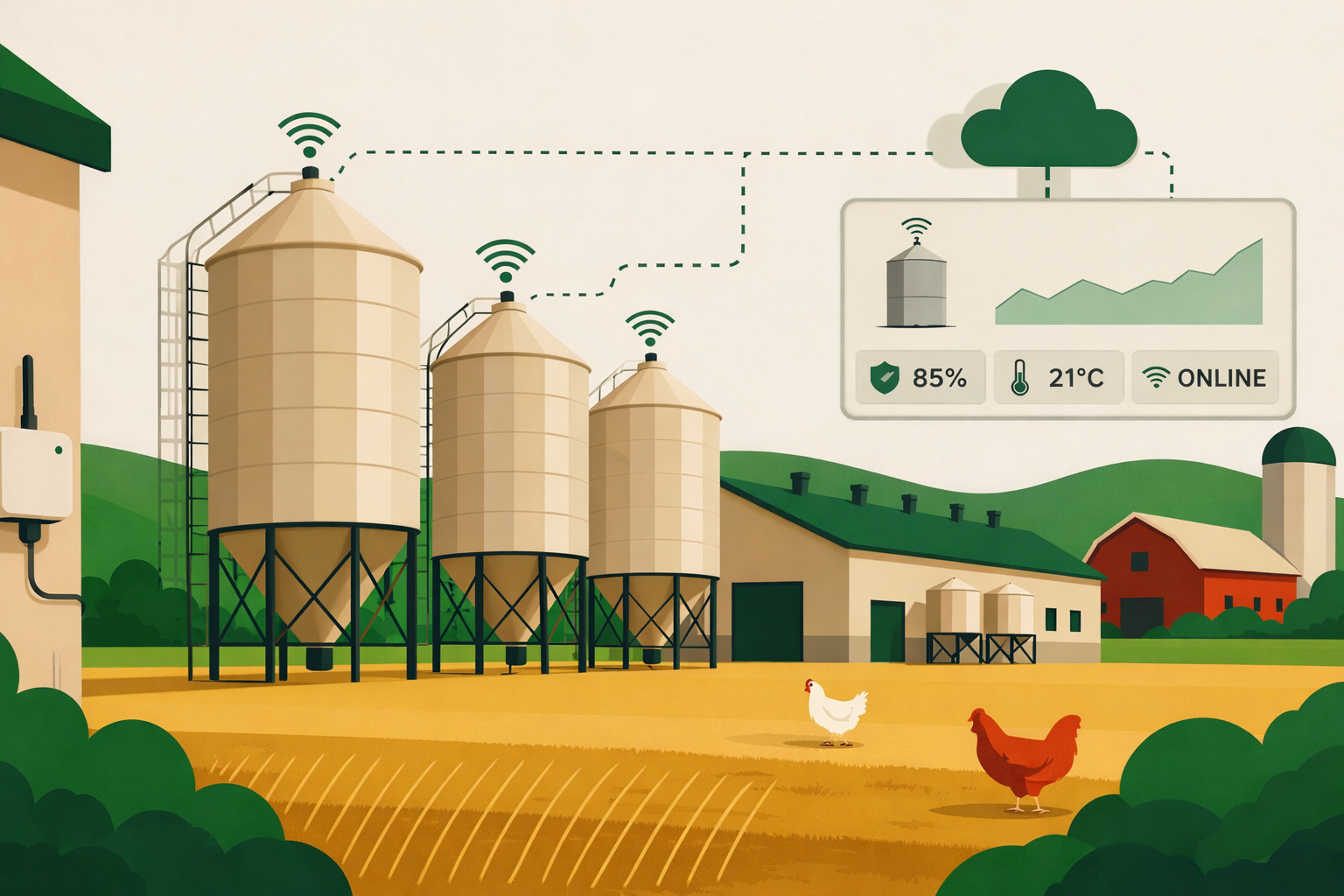
Natural light is the daylight entering a poultry house through windows and roof lights. For a long time houses were built without windows, because it is easier to control the lighting programme and blackout in them. Today we know that access to daylight clearly improves flock welfare — the birds are more active, less apathetic and keep a more natural day–night rhythm. That is why more and more welfare standards require windows, and producers add them to new and refurbished buildings.
Why does daylight improve welfare?
Light drives the bird’s biological clock. The changing brightness of the day — lighter in the morning, darker in the evening — keeps a natural daily rhythm, so the flock has clear times of activity and rest. Birds in a house with windows walk, scratch and explore more, and crowd together motionless less, which limits apathy and some behavioural problems. Higher-welfare standards such as the European Chicken Commitment (ECC) or the RSPCA standards require access to natural light outright — typically windows on the order of about 3% of the floor area, evenly distributed. Daylight does not replace the lighting programme, though; it complements it.
What makes up natural light in a poultry house
The choice depends on the building’s structure, the window area required by the standard, and how you want to balance daylight with blackout.
Windows in the side walls
The simplest way to bring in daylight. Windows are spread evenly along the walls so that light reaches deep into the house, not just by the wall. Welfare standards usually give the required window area relative to the floor area — roughly about 3%. Even spacing matters, so that no bright and dark zones form.
Roof lights
Windows in the roof slope let light in from above, evenly across the full width of the house, including the centre of the hall where side windows do not reach. They work well in wide buildings. They need careful insulation and protection against overheating in summer, because light from above also carries heat.
Frosted and diffusing glazing
Frosted glass or diffusing polycarbonate spreads the light softly across the whole hall, instead of casting sharp, moving patches of sun on the litter. Diffused light is calmer for the birds and reduces the risk of the flock crowding onto bright spots. It is a simple way to let light in without harsh sun.
Curtains and blackout blinds
Windows have to be blackout-capable. Blinds, curtains or shutters let you close the house off when the lighting programme calls for darkness — for example during the uninterrupted night rest. Without working blackout you cannot run a full lighting programme in a building with windows.
Combining with LED lighting
Daylight varies — it depends on the season, the weather and the time of day. LED lighting tops it up to a steady, controlled level and runs the lighting programme when the sun is missing or has to be shut out. Windows and lamps work together: nature gives welfare, controlled LEDs give repeatability.
Controlling sun and temperature
Windows and roof lights let in not just light but heat. Without sun shades, adequate ventilation and any summer shading, hot, over-lit zones form. When you plan natural light, you count it together with the house’s heat balance from the start, not separately.
Daylight step by step
- 1
Check the standard’s requirements
Start from the standard you want to produce under. The ECC, the RSPCA standards and similar programmes state outright how much window area they require — often roughly about 3% of the floor area — and how the light should be spread. That sets the minimum window scope from which you design the rest.
- 2
Plan the window and roof-light layout
Spread windows evenly so that light reaches deep into the house, not just by the walls. In wide halls consider roof lights, which light up the centre. Aim for even light with no sharp bright and dark zones, because unevenness encourages the birds to crowd together.
- 3
Choose diffusing glazing
Where you risk sharp patches of sun on the litter, use frosted glass or diffusing polycarbonate. Soft, diffused light is calmer for the flock and reduces the risk of birds crowding onto bright spots. This way you avoid moving streaks of sun across the hall.
- 4
Provide working blackout
For every window choose blinds, curtains or shutters that close the house off during darkness. Check that the blackout is tight and easy to operate, because you will use it every day. Without it you cannot run a lighting programme with an uninterrupted night rest.
- 5
Balance daylight with the lighting programme
Set the lighting programme so that LED lighting tops daylight up to the intended level, and blackout darkens the house during the dark phase. The natural variability of the day supports the daily rhythm, while controlled lamps give repeatability regardless of the weather. These two elements should work together, not against each other.
- 6
Mind sun and temperature
In summer protect windows and roof lights against overheating — with sun shades, shading and ventilation. Watch for hot, over-lit zones that the birds avoid. Count the house’s heat balance together with natural light, not after the fact.
Frequently asked questions about natural light in a poultry house
Are windows mandatory in a poultry house?add
It depends on the standard you produce under. In conventional production houses can be windowless, but higher-welfare standards — such as the European Chicken Commitment or the RSPCA standards — require access to natural light, typically windows on the order of about 3% of the floor area, evenly distributed. If you aim for such a standard, windows are a condition, not an add-on.
How much window area does a poultry house need?add
The most common reference point in welfare standards is a window area on the order of about 3% of the floor area, spread evenly so that light reaches deep into the hall. The exact value and the way it is measured are set by the specific standard, so treat 3% as a guide and check the requirement of the programme you produce under.
Does natural light replace the lighting programme?add
No, it complements it. Daylight is variable — it depends on the season, the weather and the time of day — so on its own it will not give steady, repeatable conditions. The lighting programme is run with LED lighting that tops daylight up to the intended level, and with blackout that darkens the house during the dark phase. Windows give welfare, controlled lamps give repeatability.
Won’t windows disrupt blackout and the dark phase?add
Only if working blackout is missing. Every window should have a blind, curtain or shutter that tightly closes the house off when the lighting programme calls for darkness — for example during the uninterrupted night rest. With good blackout you run a full lighting programme even in a building with windows.
Sources & resources
- linkBroilerNet — factsheets on natural light, windows and UV-A/B radiation in broiler production (broilernet.eu)
- linkEURCAW-Poultry & SFA — European reference centre for poultry welfare (eurcaw-poultry-sfa.eu)
- linkBetter Chicken Commitment — the natural-light requirement in the welfare standard (betterchickencommitment.com)
Describe your building’s equipment in DlaFerm.pl
In DlaFerm.pl, in the “Technical equipment of the building” step, you record how you light your house — windows, roof lights, blackout and the lighting programme in one place. Create a free account or write to us.
Phone
+48 796 258 151