Sexing in the egg — the end of killing male chicks
In egg production, male chicks aren’t needed, because they don’t lay — and for years they were killed right after hatching. Today technology can recognise the sex of the embryo while it’s still in the hatching egg, before it hatches. We explain how it works, why Germany and France banned culling day-old male chicks, and what the method gives the hatchery itself.
verifiedFrom the team that has organised work on poultry farms for years.
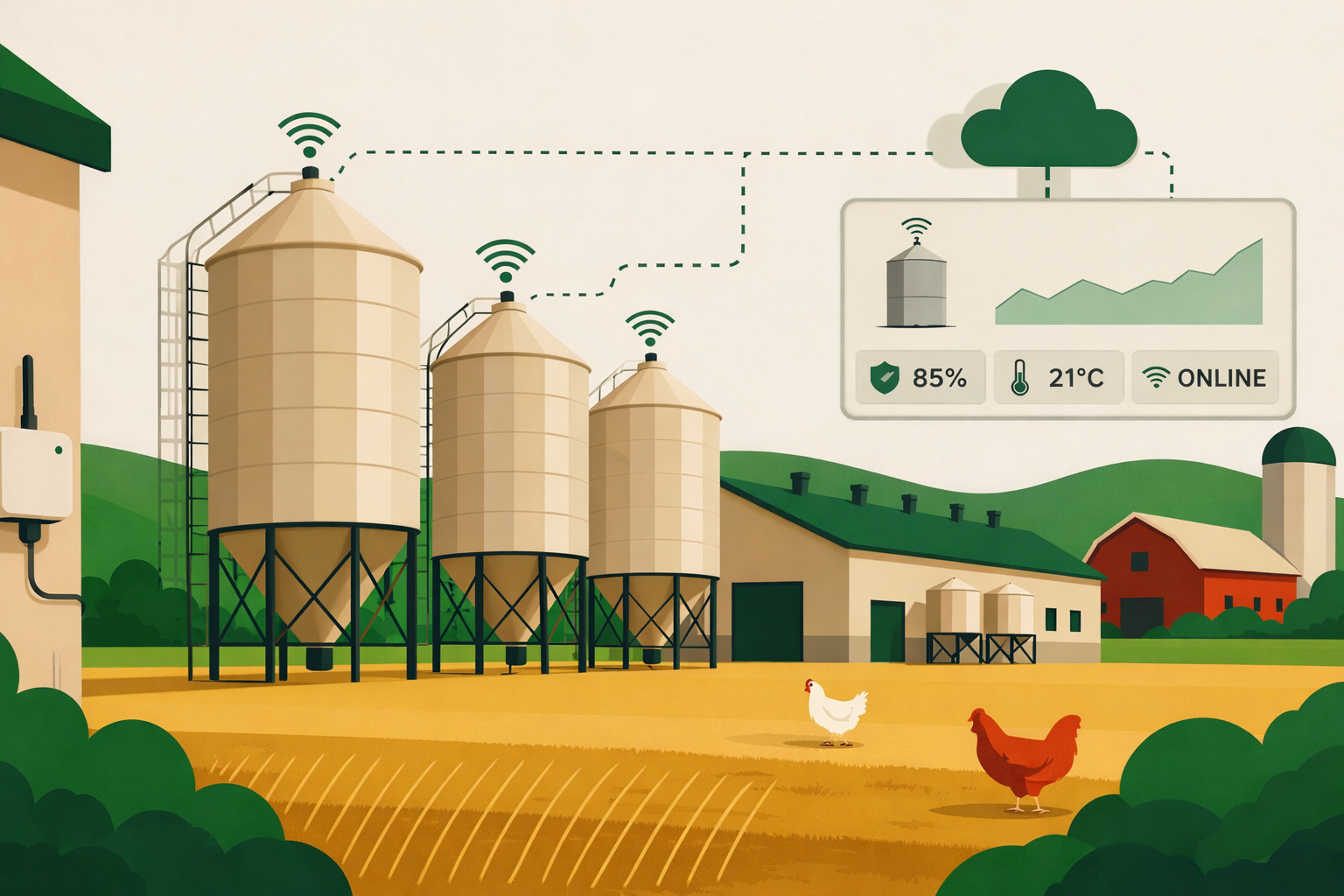
In-ovo sexing means recognising whether a hatching egg will produce a pullet or a male chick — and doing so before the bird hatches. It concerns laying lines, where male chicks don’t lay eggs and aren’t suited to fattening like broilers, so they have no use in production. For decades this meant day-old male chicks were simply killed right after hatching. Technology in the egg lets the decision be made earlier and avoids hatching the male embryos at all.
Why determine sex in the egg?
The reason is above all ethical: to stop killing live, day-old male chicks. It is a practice that drew public objection and in some countries has been outright banned. Germany and France banned the routine culling of day-old males, which pushed the industry to take up egg sorting. There is also a practical reason: if male eggs are set aside early, room frees up in the hatchers, fewer eggs have to be incubated to the end, and the hatchery uses its capacity better. Here ethics and economics pull the same way.
Methods of sexing in the egg
Several approaches are used — some look inside the egg without opening it, others test a tiny sample. One thing unites them: the decision is made before the embryo hatches.
MRI imaging supported by AI
The egg is scanned by magnetic resonance, and the image of its interior is analysed by artificial intelligence that recognises features indicating the embryo’s sex. The method doesn’t breach the shell — the egg stays intact. It is one of the newer directions, betting on fast, contact-free sorting of large batches of eggs.
Spectroscopy and light analysis
Through a tiny opening or by trans-illumination, the way the egg reflects or absorbs light of different wavelengths is examined. The signal differs depending on the embryo’s sex, which lets it be recognised. This approach bets on speed and on testing the egg with almost no intervention. Alongside hyperspectral imaging, hormone analysis of the fluid and magnetic resonance, cheaper solutions are now emerging in which an ordinary camera photographs the egg and machine learning reads features indicating sex from its shape and morphology — which could lower the cost of sorting and make it available to more hatcheries.
Analysis of a fluid sample from the egg
In some methods, a little fluid is taken from the egg through a tiny hole and tested for markers indicating sex, for example hormonal ones. The hole is small and is sealed again. The method can be very accurate, but it requires breaching the shell, which sets it apart from purely imaging approaches.
The time window for testing
What matters is how early in incubation the sex can be recognised — the earlier, the better from a welfare point of view. Different methods work on different days of incubation, and the industry and regulators pay growing attention to recognition happening suitably early. This is one of the main directions in which these technologies develop.
What happens to the male eggs
Eggs that would hatch male chicks are set aside from the hatching batch before hatching occurs. As a result there is no longer any need to cull day-old males. This very step is the heart of the whole technology — a live male chick never hatches at all.
Throughput at hatchery scale
For the method to make sense in practice, it has to keep up with the pace of a large hatchery, where eggs are counted in the hundreds of thousands. So sorting speed, accuracy and fitting into the existing line all matter. Maturity in this respect decides whether a given method is suited to mass use.
Sexing in the egg step by step
- 1
Understand who it concerns
The topic concerns laying lines — hens raised for eggs. That is where male chicks have no production use, so they were once killed. In broiler rearing the problem doesn’t arise, because there birds of both sexes are fattened. So start with whether you work with laying material at all.
- 2
Learn the law that applies to you
Germany and France banned the routine killing of day-old male chicks, and the topic is discussed at EU level. If you buy or sell laying chicks, check the requirements in the countries you trade with. Regulation in this area is changing, so it’s worth following its current state.
- 3
Get to know the available methods
The different approaches — MRI imaging with AI, spectroscopy, sample analysis — differ in accuracy, the moment of testing and whether they breach the shell. None is the “only right one”; each has its strengths and weaknesses. It’s worth understanding these differences when reading about eggs labelled “without killing male chicks”.
- 4
Check the chicks’ origin
If you care about production free of culling males, ask your chick supplier whether the material comes from a hatch with in-egg sex sorting. More and more hatcheries offer such a standard and can confirm it. It’s information worth having documented, especially with the requirements of Western markets in mind.
- 5
Mind welfare and the moment of testing
From an ethical view, how early in incubation the sex is recognised matters — the earlier, the better. That’s why the industry and welfare organisations press for methods that work at an early stage. When asking about the standard, ask not only “is it without killing males” but also when recognition happens.
- 6
See it as a direction, not a curiosity
In-ovo sexing is no longer an experiment but a technology deployed commercially and backed by regulation in part of the EU. For the egg market it means a gradual move away from culling males. It’s worth treating as a lasting direction that will be ever more present in trade requirements and consumer expectations.
Frequently asked questions about sexing in the egg
Why were day-old male chicks killed at all?add
Because in egg production male chicks have no use: they don’t lay eggs, and as a laying line they aren’t suited to fattening like broilers. From a purely production view, males from a laying hatch were “surplus”, so they were routinely culled right after hatching. It is this practice — drawing public objection — that recognising sex in the egg, before the bird hatches, is meant to eliminate.
Is killing male chicks already banned?add
In some countries, yes. Germany and France banned the routine culling of day-old male chicks, and at EU level work is under way that points toward a prohibition of this practice across the whole EU — though there is not yet a binding, common date for every country. It is these bans that strongly accelerated the rollout of in-egg sexing methods. Regulation in this area is changing, so if you trade in laying chicks, it’s worth checking the current state of the law in the countries you work with.
How does the technology recognise sex without opening the egg?add
Some methods “look” inside without breaching the shell — for example magnetic resonance imaging whose image is analysed by artificial intelligence, or examining how the egg reflects and absorbs light of different wavelengths. These signals differ depending on the embryo’s sex. Other approaches take a little fluid from the egg through a tiny hole. What unites them is that the decision is made before the embryo hatches.
What does the method give the hatchery itself?add
Beyond the ethical dimension there is a practical benefit: if male eggs are set aside early, room frees up in the hatchers and fewer eggs have to be incubated to the end. The hatchery uses its capacity better, and batches are “cleaner” by sex. On top of that comes meeting the requirements of markets that expect eggs labelled “without killing male chicks”. Here ethics and economics pull the same way.
Sources & resources
Keep your flock records in DlaFerm.pl
In DlaFerm.pl, next to the flock card, you record the chicks’ origin, hatch data and the course of rearing — all in one place. Create a free account or write to us.
Phone
+48 796 258 151