Cannibalism and feather pecking in geese: causes, welfare and prevention
Geese are calm flock and grazing birds, far less prone to pecking than laying hens or turkeys. Even so, overcrowding, lack of range and boredom can trigger feather pecking and injuries. See where it comes from and how to prevent it.
verifiedFrom the team that has organised work on poultry farms for years.
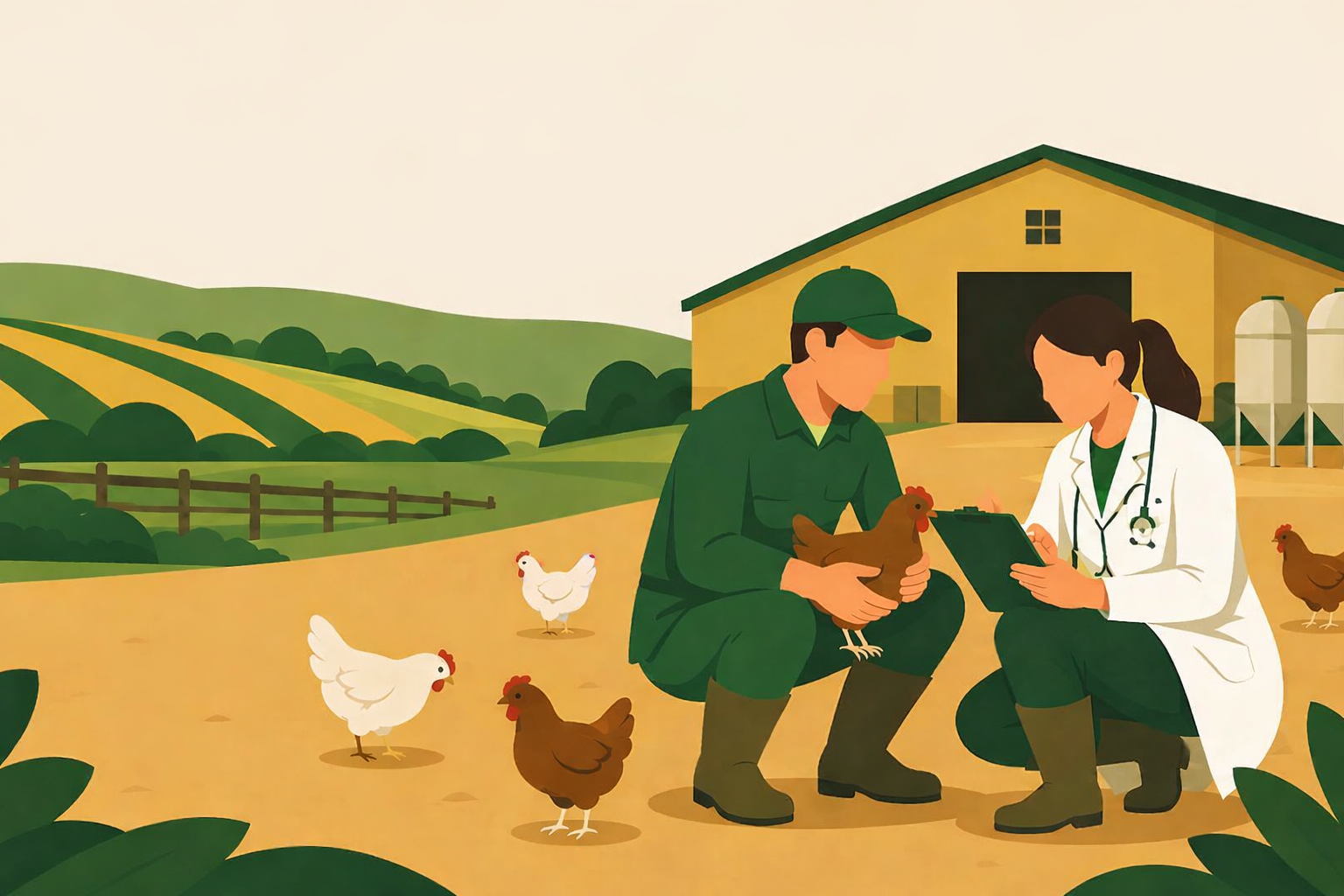
What is cannibalism and feather pecking in geese?
Cannibalism is a behavioural disorder in which birds peck and injure other birds in the flock. In geese it usually starts with feather pecking (pulling out and eating a flock-mate’s feathers) and, in severe cases, progresses to pecking the skin, back or vent area. It is not an infectious disease caused by a virus or bacteria — it is a signal that something in the housing conditions or feeding is wrong. Geese respond to discomfort, crowding and the inability to behave naturally precisely by pecking.
Do geese often show cannibalism?
Geese are among the calmest birds on the farm. They are flock and grazing animals that spend most of the day nibbling grass and bathing or splashing in water. By nature they are less prone to pecking than laying hens, turkeys or quail, where cannibalism is a serious problem. In geese it mainly appears when range, pasture and space are missing — that is, when we take away what they most like to do. A well-managed pasture flock rarely has this problem.
What triggers pecking in a goose flock?
The most common trigger is overcrowding and boredom. When geese have no access to grass, bathing water and enough space, their natural need to nibble and explore shifts onto their neighbours’ feathers. Light that is too bright or harsh adds to this — it excites the birds and highlights every wound or speck of blood, and the sight of blood triggers further pecking. Feed deficiencies and stress from noise, overheating or establishing the flock hierarchy also play a role.
Why does this matter for goose welfare?
Feather pecking and pecking are primarily a welfare problem — geese suffer, get wounds and live in constant stress. Damaged skin is an open gateway for bacterial infection, and injured birds grow worse, eat less and are more exposed to other diseases. In extreme cases birds die. Keeping the flock calm is not only an ethical and legal duty under welfare rules, but also a tangible benefit for condition and rearing results.
Cannibalism and other goose health problems
Pecking and feather pulling are sometimes confused with other causes of feather loss, such as natural moulting, external parasites or nutritional deficiencies. So when feather condition in the flock suddenly worsens, watch the birds’ behaviour and consult a veterinarian to rule out other causes. You will find an overview of common ailments in the goose diseases guide and in the poultry disease symptom table.
What encourages cannibalism and how to spot the problem in a goose flock
Each of these signals should prompt the farmer to improve housing conditions and observe the birds.
Overcrowding and excessive stocking density
When there are too many geese per square metre, the birds get in each other’s way, tension builds and pecking starts. The right stocking density is the first line of defence — more in the stocking guide.
No range, pasture or water
Geese deprived of grass to nibble and water to bathe in shift that need onto their neighbours’ feathers. Lack of natural activity is the most common cause of feather pecking in the flock.
Light that is too bright or harsh
Strong, glaring light excites the birds and makes it easier for them to spot wounds and specks of blood on feathers. The sight of blood triggers a cascade of further pecking.
Feed deficiencies
A lack of enough protein, fibre, minerals or vitamins makes geese search for the missing nutrients by pecking feathers. Unbalanced feeding is a common silent trigger.
Stress and noise
Overheating, crowding, sudden sounds, nervous handling or frequent chasing throw the flock off balance. Stressed geese react more often with pecking and feather pulling.
Establishing hierarchy and the appearance of wounds
While the flock hierarchy is being settled, skirmishes occur. If an open wound or a bleeding feather appears, other birds start pecking at it — the problem escalates quickly if the injured goose is not separated.
How to prevent pecking and how to respond when it appears
Effective prevention rests on one thing: geese should do what comes naturally, in calm and spacious conditions.
Access to range, pasture and water
The best protection is letting geese do what they enjoy: nibble grass, bathe and splash in water. A flock with good range and access to water is busy and calm. More in the goose welfare guide.
Low stocking density and plenty of space
Keep stocking below the level at which birds get in each other’s way. A spacious house and range reduce tension in the flock. Check the recommendations in the goose stocking guide.
Dimming and light control
Calm, dimmed, even light settles the flock and means birds spot wounds or blood less often. Avoid sharp, glaring lighting, especially where geese rest.
Balanced feed and free access to water
A well-formulated diet with enough protein, fibre and minerals reduces feather pecking caused by deficiency. Constant access to clean water and greens is the foundation of goose welfare.
Calm handling and quiet surroundings
Geese react to people’s nervousness and to noise. Enter the flock calmly, avoid sudden movements and abrupt chasing of the birds. Calm surroundings mean less stress and less pecking.
Quickly separating injured birds and keeping records
Separate an injured goose at once so the rest of the flock stops pecking it, and consult a veterinarian if needed. Record observations, flock changes and any treatment in the Flock Card in DlaFerm.pl to track what helps.
Frequently asked questions about cannibalism and feather pecking in geese
Do geese really peck and pull out each other’s feathers?add
Yes, though far less often than hens or turkeys. Geese are calm grazing birds, but in poor conditions — overcrowding, lack of range and boredom — they start pulling out feathers and, in severe cases, injuring skin. This signals a problem with housing conditions, not an infectious disease.
What most often triggers feather pecking in geese?add
The most common causes are excessive stocking density, no access to grass and water, light that is too bright, and boredom. Feed deficiencies and stress add to this. When geese have nothing to focus their natural need to nibble on, they shift it onto their neighbours’ feathers.
Does access to pasture and water really help?add
Yes, it is the most effective prevention. Geese that can nibble grass and bathe in water are busy and calm, so they do not peck each other. A well-managed pasture flock rarely has a cannibalism problem.
What should I do if an injured goose appears in the flock?add
Separate the injured bird from the rest at once, because the sight of blood triggers further pecking. Tend to the wound and consult a veterinarian if needed. Then check and improve flock conditions so the problem does not recur.
Is dimming the light safe for geese?add
Yes — calm, even and slightly dimmed light settles the flock and reduces pecking because birds spot wounds and blood less often. It is important that lighting is even and does not stop birds from functioning normally and feeding.
How does DlaFerm.pl help with goose welfare problems?add
In the Flock Card you can record flock observations, changes in housing conditions and any treatment of injured birds. This makes it easier to see when and why pecking appears and to check which measures helped. The documentation is also useful during welfare inspections.
Sources & resources
Look after your flock’s welfare with DlaFerm.pl
Want to see how the Flock Card helps keep observations and records? Write to us or create an account.
Phone
+48 796 258 151