Keeping quail at home — from the cage to the first eggs
The quail is the smallest farm bird and fits even in a garage or a shed. It starts laying eggs after about 6 weeks and takes very little space in a cage. We show how to start keeping quail at home — from setting up cages, through brooding the chicks, to incubation and the first quail eggs.
verifiedFrom the team that has organised work on poultry farms for years.
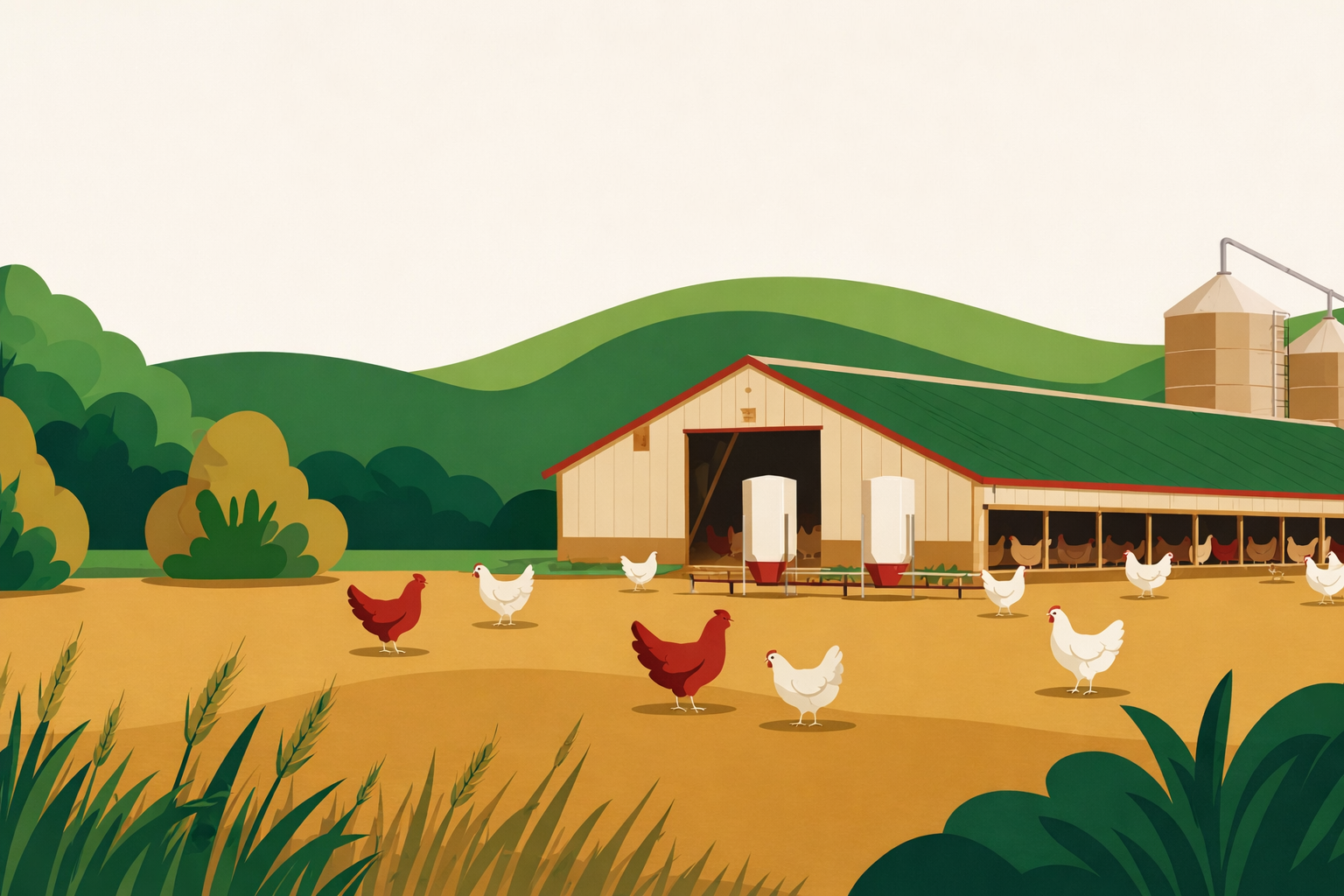
The smallest farm bird — ideal for the home
The Japanese quail is the smallest bird kept on a farm — an adult weighs only about 150–200 g. That is why it fits where you could never keep a hen: in a garage, a shed, a utility room, and at a small scale even on a covered balcony. It is a good start for a beginner, because quail are cheap to buy and undemanding. We write more about the species itself in the guide on quail farming.
Fast maturity and high egg production
Quail grow and mature extremely fast. Females lay their first eggs at about 6 weeks of age — sooner than any other farm bird. A good layer can produce an egg almost daily for most of the year. This means that even a small home flock quickly gives you a steady supply of fresh quail eggs — valued in the kitchen for their taste and nutritional value.
Cages instead of a run
At home, quail are usually kept in cages stacked one above another, which makes use of the room’s height. One quail needs far less space than a hen, so even a small room can hold a decent flock. The cage must have a soft ceiling or a low height, because startled quail jump up suddenly and can injure themselves against hard mesh.
Eggs for your own table and for sale
Many people start keeping quail at home for their own needs and, after a while, sell the surplus eggs to neighbours or friends. Remember, though, that even small-scale sales come with duties — registration with the district veterinary officer and the rules of farm retail trade (RHD). The same applies to flock records. You can keep all the entries and dates conveniently in the record-keeping software.
How to start keeping quail at home
From an empty room to the first laid egg — here are six steps that will take you through starting a quail flock.
1. The room and the cages
Choose a dry room, free of draughts, with access to electricity and the option to air it out (a garage, a shed, a utility room). Prepare cages — preferably stacked, with a soft or low ceiling, an easy-to-clean floor and room for drinkers and feeders. We cover the space requirements in the guide on housing requirements for quail.
2. Heating for the chicks
Quail chicks are tiny and sensitive to cold. In the first days they need a high temperature under a heater (about 35–37°C), gradually lowered over the following weeks. Give them a warm, well-lit corner with easy access to fine feed and shallow water so they do not drown.
3. Buying chicks or hatching eggs
You can start by buying chicks (a faster start) or hatching eggs for your own incubation (cheaper but slower). Buy from trusted breeders to avoid disease and poor-quality stock. For a start it is good to favour females if you are mainly after eggs.
4. Brooding and the feed transition
For the first weeks you give fine, high-protein chick feed, ensuring constant access to clean water. As the birds grow you lower the temperature and switch to layer feed. We describe feeding rules in the guide on quail feeding.
5. First eggs and care of the layers
Around week 6 the females start laying. To keep egg production high, provide steady light (about 14–16 hours a day), calm, clean cages and balanced feed. Collect the eggs daily and store them in a cool place.
6. Incubating your own eggs
If you want to renew the flock, you can put some eggs into an incubator — quail hatch in about 17–18 days. For setting, choose clean, fresh, well-formed eggs. We describe the general rules in the guide on poultry egg incubation.
Cages, costs and formalities
Keeping quail at home is simple, but it has its pitfalls. Here are six things worth thinking about before you bring in the first birds.
Cages and space
Quail are easily startled and jump up suddenly, so the cage should have a low or soft ceiling so the birds do not injure their heads against the mesh. Provide enough room for feeders, drinkers and free movement — an overcrowded cage means stress, pecking and lower egg production. We describe exactly how much space in the guide on quail stocking density.
Selling eggs
Selling quail eggs — even to neighbours — is already an activity that requires registration with the district veterinary officer and operating under farm retail trade (RHD). There are quantity limits and labelling rules. Check the details and thresholds in the guide on farm-gate poultry sales (RHD) and in the regulations.
Start-up costs
Getting into quail keeping is cheap compared with larger poultry: the cost is mainly cages, chick heating, an incubator (optional) and feed. Remember the fixed costs too — electricity for heating and light and regular top-ups of feed and litter. Work it out calmly before you scale up.
Flock health
Small birds in cages risk the fast spread of disease and parasites if you neglect hygiene. Regular cage cleaning, dry litter and quarantine for new birds are essential. Watch for external parasites — we cover red mite in the guide on red mite in quail.
Records and registration
Keeping poultry, quail included, comes with the duty to report the flock and keep records. The scope depends on the scale and on whether you sell products. If you use medicines, keep treatment records and observe withdrawal periods. The record-keeping software and the guide on legal standards for keeping quail will help.
Noise, smell and neighbours
Quail are quiet compared with roosters, but a flock makes sounds, and cages — if cleaned poorly — quickly start to smell. In residential areas it pays to ensure ventilation, frequent manure removal and good relations with neighbours. We cover neighbour rules in the guide on poultry keeping and neighbours.
Frequently asked questions about keeping quail at home
Can you keep quail at home or in a garage?add
Yes — quail are the smallest farm bird and are great for keeping in a garage, a shed or a utility room. The most important thing is a dry, airy spot free of draughts, with access to electricity for heating and light. If you sell eggs, remember to register the flock and follow farm retail trade rules.
How soon do quail start laying eggs?add
Quail mature exceptionally fast — females start laying eggs at about 6 weeks of age. That is much earlier than hens or other farm birds. To keep egg production high, they need steady light for about 14–16 hours a day, calm and balanced feed.
How much space does one quail need?add
A quail takes far less space than a hen, so even a small room can hold a decent flock, especially in stacked cages. The cage should have a low or soft ceiling, because startled birds jump up suddenly and can injure themselves. We give exact recommendations in the guide on quail stocking density.
How long does quail egg incubation take?add
Quail hatch in an incubator in about 17–18 days — shorter than hens. For setting, choose clean, fresh, well-formed eggs from a healthy flock. Incubation is a good way to renew your own flock without constantly buying new chicks.
Can I sell quail eggs to my neighbours?add
Selling quail eggs, even on a small scale, is an activity that requires registration with the district veterinary officer and operating under farm retail trade (RHD). There are quantity limits and labelling rules. Before you start, check the current regulations and thresholds in the relevant guide.
Is keeping quail at home profitable?add
At a small scale, quail keeping usually serves your own table, with the surplus eggs sometimes sold. The advantages are the low cost of entry, fast maturity and high egg production. Profitability depends on feed and electricity prices and on whether you have buyers for the eggs — work it out on your own figures before scaling up.
Run your home quail flock in one place with DlaFerm.pl
Want the flock, eggs and records under control — even with a small operation? We will show you how DlaFerm.pl makes keeping the Flock Card and records easier. Write to us.
Phone
+48 796 258 151