Quail farming profitability — eggs and meat
Quail tempt with a fast cycle: laying starts at around 6 weeks of age and one bird eats very little feed. On a small area you keep many birds, but each gives little — a tiny egg and a small amount of meat. We show what the financial result is made of and give an indicative formula with a worked example, built from public prices and feeding norms rather than from specific farms’ data. It is a niche market and prices can swing a lot — treat the numbers as indicative.
verifiedFrom the team that has organised work on poultry farms for years.
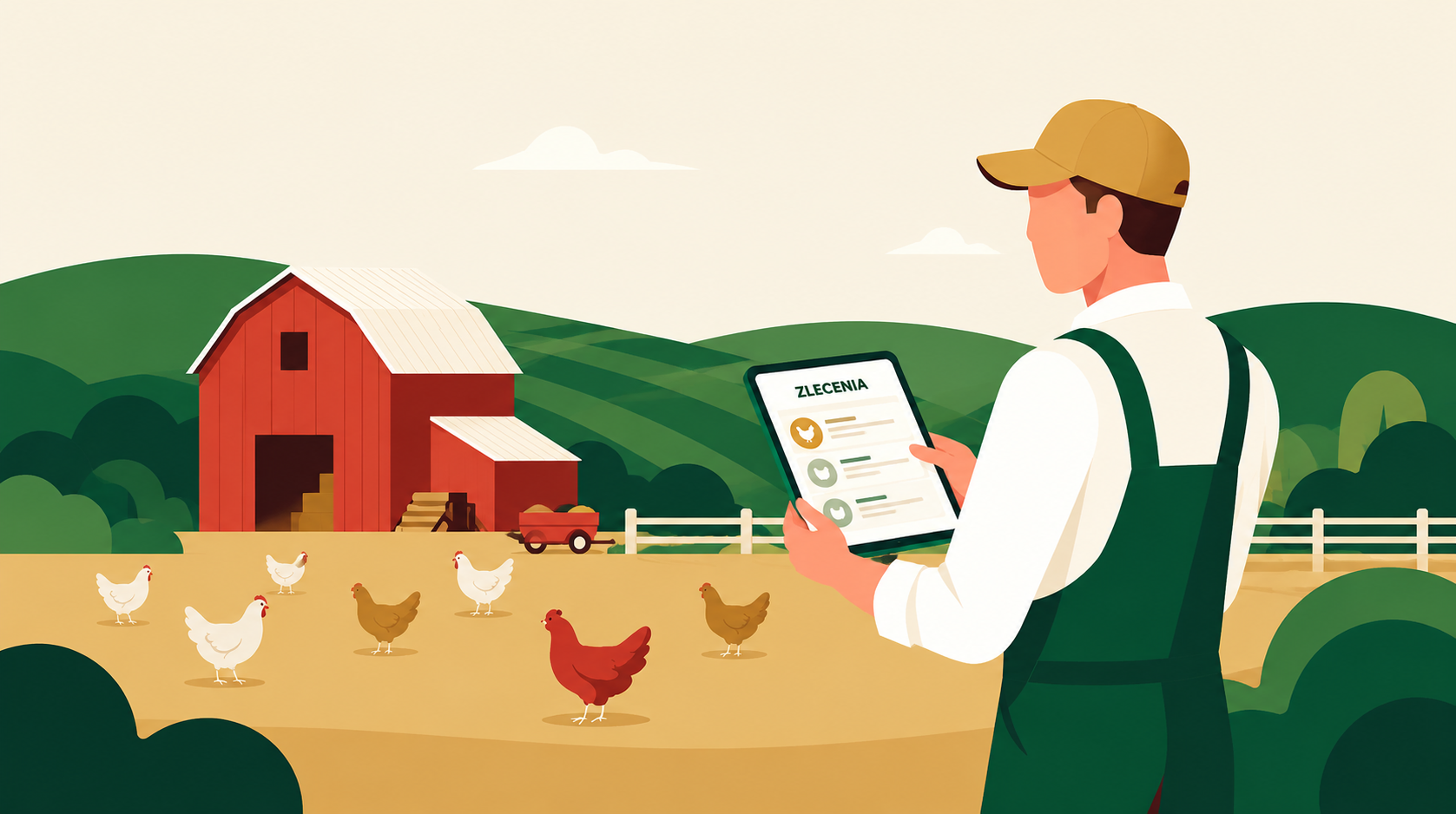
The question “does quail farming pay off?” has no single answer — it all depends on prices, the sales channel and scale. This page does not quote anyone else’s profits; it shows how to work out the result yourself: what revenue is made of, what the main costs are and how to put them together. We build the model from public prices and feeding norms, not from specific farmers’ data. The whole topic starts in the hub on quail farming.
What makes quail economically distinct?
Quail are miniature poultry with a very fast metabolism. Laying starts early — indicatively around 6 weeks of age* — so money comes back faster than with hens. One bird eats little feed and takes up little space, so in a small house you can keep many thousands of birds (see quail stocking density). The flip side: a single quail gives a tiny egg (around a dozen grams) and a small amount of meat, so scale and a good unit price matter.
Two products, two markets
You make a living from quail either from eggs or from meat — often from both at once. Quail eggs are a niche with a higher unit price than a hen egg, usually sold in packs of a dozen to several dozen. Meat comes mainly from heavier lines such as Pharaoh — carcasses are small, so they are sold by the piece or in packs. We cover the differences between directions in the hub and in the guide on quail feeding, because feed decides whether the bird goes into eggs or into meat.
Profitability step by step — revenue minus costs
- 1
1. Revenue from quail eggs
The first source of revenue is eggs. You calculate it as: number of layers × lay rate (eggs per bird per day) × days × egg price. A good layer can lay over 250–300 eggs a year*, and the unit price of a quail egg is clearly higher than a hen egg, even though the egg itself is tiny (around ~10–12 g*). Sales usually go in packs of 10–20. How an egg is formed and what affects lay we explain in the guide on how an egg is formed, and feeding for lay is covered in quail feeding.
- 2
2. Revenue from meat (Pharaoh lines)
The second source is live birds or carcasses for meat. Here heavier lines (Pharaoh type) matter, reaching slaughter weight faster — indicatively a few weeks to ~250–350 g live weight*. The carcass is small, so meat is sold by the piece or in packs of several, often to restaurants and delis. Revenue is: number of birds × price per piece (or per kg if you sell by weight). You rear for meat following the guide on quail rearing.
- 3
3. Cost of chicks or hatching eggs
The start costs money. You buy either chicks or hatching eggs for your own incubator. With your own hatch there is the incubator cost and the loss on unhatched eggs and on males (in the laying direction males are surplus). This is a one-off cost per batch that you spread over the number of productive birds. The higher the hatchability and chick survival, the lower the cost per bird — which is why welfare from day one matters, see quail welfare.
- 4
4. Feed cost — the biggest item
Feed is usually the biggest variable cost in any poultry operation. A quail eats little per bird (indicatively ~20–30 g feed a day*), but there are many birds, so the total rises. You calculate the cost as: number of birds × daily intake × days × feed price per kg. Quail feed is higher in protein than hen feed (layers need high protein), which raises the price per kg. Composition and ready mixes are covered in poultry feed mixes, and the logic of feed cost per unit of product is shown by analogy in feed cost per kg of broiler live weight.
- 5
5. Fixed and other costs
On top of feed and chicks come fixed and other costs: energy (rearing heat, lighting, ventilation), litter or cage upkeep, water, labour, egg packaging, veterinary care and biosecurity, equipment depreciation (cages, incubator), plus transport and selling. Housing requirements are covered in housing requirements for quail. Some costs (cages, incubator) are an investment you spread over many batches.
- 6
6. Putting it together and the result per batch
Finally you put it all together: egg revenue plus meat revenue minus costs (chicks, feed, fixed and other costs). The difference is the result per batch. It is worth converting it to a single product too — the cost of producing one egg or one carcass — because that makes it easier to set a sale price with a margin. You check current live and egg prices in the tool market prices. Remember: this is an illustrative model, not a guarantee — the quail market is niche and prices can swing strongly.
How to calculate the result — formula with example
A simple formula and a numeric example built from public prices and feeding norms. It illustrates the method, not a promise of earnings — niche market, prices vary*.
General formula
Result per batch = (egg revenue + meat revenue) − (chick cost + feed cost + fixed and other costs). Egg revenue = number of layers × lay per bird × egg price. Feed cost = number of birds × daily feed intake × days × feed price/kg. It is worth converting the same to a single product to set a price with a margin.
Example — egg direction (indicative*)
Suppose 500 layers, lay ~0.8 egg/bird per day over 30 days = ~12,000 eggs/month. At an indicative wholesale price per egg (from public prices) you calculate revenue and subtract feed (500 birds × ~25 g × 30 days = ~375 kg feed × price/kg) and fixed costs. Plug in real prices of the day for every value — this is only the skeleton of the calculation.
Example — meat direction (indicative*)
For meat: number of Pharaoh-line birds reared × price per carcass minus the cost of chicks, rearing (high-protein) feed and fixed costs. The short cycle lets you run several batches a year, but the low unit carcass weight means income is built by scale and unit price, not by weight.
Result sensitivity
The result reacts most to three things: the sale price (eggs/carcasses), the feed price and the lay rate/survival. A drop of a few cents in the egg price or a rise in the feed price can eat the margin. So before you invest, calculate several scenarios (low/medium/high price) and check at what price the farm breaks even.
The most common mistakes in calculating profitability
These slip-ups make the business plan look better on paper than in reality.
Ignoring fixed costs and your own labour
It is easy to count only feed and chicks and forget energy, packaging, veterinary care, cage depreciation and — above all — your own labour. With thousands of birds, handling, sorting and packing eggs take real time. A result without pricing your labour is an illusion, not profit.
Assuming perfect lay and zero losses
Lay drops as the flock ages, and some birds die or are unfit for production. Calculating the result at 100% lay and zero mortality overstates revenue. Put in a realistic survival rate and lay curve — it is safer to count cautiously. Welfare limits losses, see quail welfare.
No sales plan for a niche product
Quail is a niche market — eggs and meat do not sell themselves like a hen egg in a shop. Without an established channel (delis, restaurants, direct sales, a market stall) even a cheap product will sit in storage. First scope out the buyers and the price they will really pay, and only then scale the flock.
Underestimating the price and cost of high-protein feed
Quail feed is higher in protein than hen feed, so more expensive per kg. Taking the price of ordinary hen feed into the calculation understates the cost. Check the real composition and price in poultry feed mixes and calculate using the feed actually given to quail.
Frequently asked questions about quail farming profitability
Does quail farming pay off?add
It depends on prices, the sales channel and scale — there is no single answer. Quail have advantages: a fast cycle, early lay (indicatively from ~6 weeks of age*) and low feed per bird. The downsides are a tiny product (small egg, low carcass weight) and a niche market that needs active selling. Instead of trusting someone else’s numbers, calculate your own model: egg and meat revenue minus costs (chicks, feed, fixed costs). It is a niche market and prices can swing a lot — treat the result as indicative.
Is it better to farm quail for eggs or for meat?add
Both directions make sense and are often combined. Eggs give a steady monthly income and a higher unit price than a hen egg, but require packing and regular selling. Meat (heavier lines such as Pharaoh) means short batches and selling in lots, mostly to restaurants and delis. Your market and what you can really sell decide it. We cover feeding for each direction in quail feeding.
How much feed does one quail eat?add
Indicatively about 20–30 g of feed a day per adult bird*, depending on the direction, line and temperature. That is very little per bird, but with thousands of birds the total feed cost is the biggest variable item. Quail feed is higher in protein (so more expensive per kg) than typical hen feed. Composition and mixes are covered in poultry feed mixes.
When do quail start laying?add
Early — indicatively around 6 weeks of age*, much faster than hens. This is one of the main economic advantages: money from eggs starts coming back soon after placing the flock. A good layer can lay over 250–300 eggs a year*, though lay drops as the flock ages. How an egg is formed we explain in the guide on how an egg is formed.
How many quail fit in a small area?add
Quail are kept at high density — many times more per square metre than hens, because the bird is small. This allows a large scale in a small space, but requires good ventilation and hygiene so flock health does not suffer. Specific values and how to calculate are in the guide on quail stocking density, and housing requirements in housing requirements for quail.
Where do I get current prices for the calculation?add
The model on this page uses public prices and norms — to calculate your own result, plug in real, current egg, live-bird and feed prices of the day. You check current buying quotes in the tool market prices, and the feed price with your supplier. Calculate several scenarios (low/medium/high price), because the quail market is niche and prices can swing a lot — this is not investment advice.
Sources & resources
Calculate profitability in DlaFerm.pl
DlaFerm.pl helps you keep flock, feed-use and egg-production records — you have the data to easily calculate your own result. Create a free farm account or write to us.
Phone
+48 796 258 151