Shaver Brown — a robust brown-egg layer
Shaver Brown is a commercial cross (hybrid) from Hendrix Genetics, bred for the production of brown-shelled eggs. It is known for its hardiness, calm temperament and long, even lay (persistency — keeping high production to the end of the cycle). It is a hen for those who value stable results and low feed intake. We present the breed profile based on public management guides.
verifiedFrom the team that has organised work on poultry farms for years.
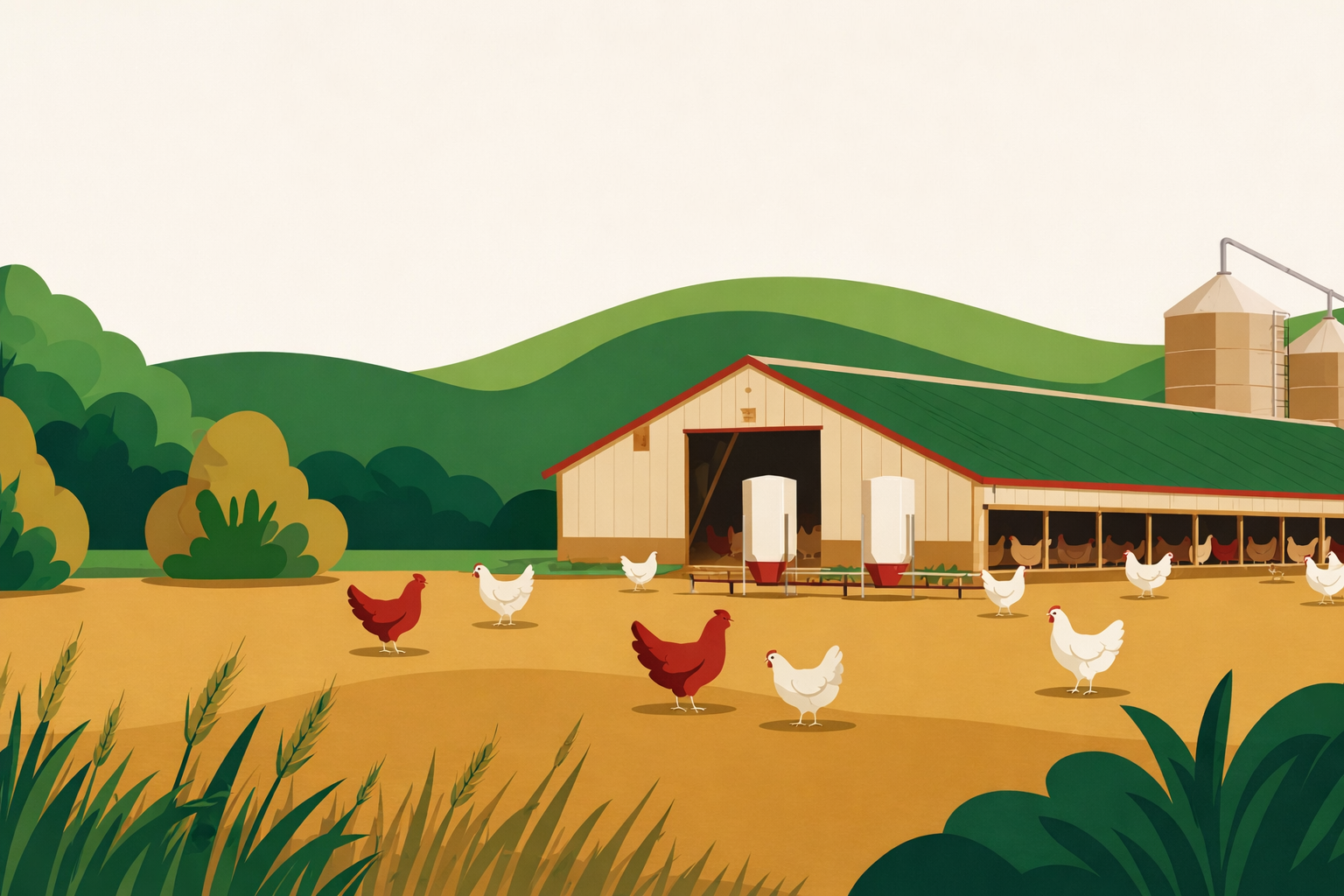
What Shaver Brown is
Shaver Brown is a commercial layer — a cross (hybrid) bred for the production of brown-shelled eggs. It is not a breed in the traditional sense but a commercial line with repeatable, predictable results. Chicks are available as day-olds in the form of female chicks, and the flock ultimately gives a large number of eggs at moderate feed intake. It is one of the popular directions when you plan layer-hen farming focused on the brown egg.
Where it comes from and who stands behind it
The Shaver brand belongs to Hendrix Genetics — one of the largest layer breeding companies in the world. Hendrix runs laying lines under several brands and publishes management guides for them, in which it gives target production results. So a farmer knows in advance what to expect from the flock. This is what sets a commercial hybrid apart from ornamental hens or conservation breeds.
Use type: a brown-egg layer
Shaver Brown is a typical brown-egg layer — light, with a small body weight, but efficient in terms of egg per feed. The brown shell colour comes from plumage and pigmentation genetics, not from feed. If you are weighing other directions and comparing hybrids, look at the overview of layer-hen breeds, and at the Lohmann vs ISA Brown comparison, which shows how the popular brown lines differ.
Why hardiness and persistency
The strong point of this line is lay persistency — the ability to keep high production for a long time, without a sharp drop at the end of the cycle. In practice this means more eggs per hen over the whole laying period and fewer losses. On top of that come good shell strength and a calm temperament, which makes daily flock handling easier. These traits decide who Shaver Brown will be a good choice for.
Your flock under control with DlaFerm.pl
Whatever the line, a good layer needs reliable records: of lay, mortality, treatment and drug withdrawal. DlaFerm.pl brings this together in one place — you keep a digital Flock Card, and the tedious flock records in IRZplus you can leave to us: we’ll file the flock-change reports to IRZplus for you automatically, if you want, or report them yourself, whichever you prefer. So you can compare your flock’s real results with the guide norms and stay in control of your paperwork from day one. You can create a farm account for free.
Shaver Brown — six features worth knowing
From origin and breeding company to day-old availability. Here are six areas that best describe this brown-egg layer — all based on public management guides.
Origin and breeding company
Shaver is a historic laying brand, today in the portfolio of the Hendrix Genetics group. The company develops the line, publishes management guides and supplies day-olds through a network of distributors and hatcheries. It is commercial genetics with repeatable results, not a conservation or ornamental breed.
Use type — a brown layer
It is a light layer focused solely on producing brown-shelled eggs. It is neither a meat nor a dual-purpose hen — in terms of feed, the egg counts, not weight gain. A comparison with other brown lines is in the overview of layer-hen breeds.
Lay rate and egg weight
According to public management guides, Shaver Brown reaches around 400–500 eggs in an extended cycle (up to about 90–100 weeks of age), with egg weight rising with flock age, usually to around 62–64 g. The exact target values are given in the producer’s management guide for the given line version.
Body weight and feed intake
It is a light layer — adult hen body weight according to the guides is usually around 1.8–2.0 kg. Daily feed intake at peak lay is roughly about 105–115 g per bird, depending on conditions and feed. Low body weight favours efficient feed use.
Temperament and hardiness
The line is valued for its calm temperament and good bird hardiness, which makes daily handling easier and reduces stress in the flock. Calm hens panic less often and tolerate routine tasks better. A strong shell reduces the rate of breakages during egg collection and transport.
Day-old availability
Shaver Brown day-olds are available through hatcheries and distributors working with Hendrix Genetics, as commercial female chicks. Availability and placement dates depend on the market and order size. It is worth planning the purchase in advance and confirming the line version and health status with the supplier.
Production norms, environment and who Shaver Brown is for
For the line to show its potential, it needs the right conditions and feeding. Here are six areas — from guide norms to welfare — that decide the results and who this layer will suit.
Norms: lay, persistency and FCR
Public management guides give target results: peak lay usually above 95%, high persistency (keeping production to the end of the cycle) and a favourable FCR (feed conversion ratio — kg of feed per kg or dozen of eggs) of about 2.0–2.2 kg of feed per kg of eggs. Treat the target values as a reference point for optimal conditions, not a guarantee.
Environment: stocking and lighting
A layer needs a stable temperature, good ventilation and the right stocking density — overcrowding lowers lay and worsens welfare. The lighting programme is key: day-length stimulation triggers lay, and a stable rhythm keeps production going. Follow welfare norms and the guide recommendations for the given housing system.
Feeding matched to the phase
The feed mix must match the laying phase: starter and grower in rearing, and in production a layer feed with the right calcium level for shell quality. Access to clean water is as important as feed. Good feeding is the condition for reaching the guide norms — protein or calcium shortfalls quickly show on the egg.
Health and risks
Like any layer, Shaver Brown needs a preventive programme and biosecurity — avian influenza means culling the flock. Watch the vaccination calendar, parasites and shell quality late in the cycle. Record every treatment and drug withdrawal period reliably — most conveniently in flock records in IRZplus and digital documentation.
Welfare and management
A calm temperament is an asset, but welfare depends on stocking density, nests, perches and access to feed and water. Regularly note lay, mortality and egg weight to catch deviations from the norm in time. The Lohmann vs ISA Brown article makes comparing brown lines easier if you are weighing alternatives.
Who this layer is for
Shaver Brown works where stable, long brown-egg lay at low feed intake and a calm flock matter. It is a good choice for commercial farms and smaller flocks that value repeatability. If you are just starting, begin with the basics in the layer-hen farming guide and compare directions before you place a flock.
Frequently asked questions about the Shaver Brown layer
Is Shaver Brown a breed or a hybrid?add
It is a commercial line — a commercial cross (hybrid) from Hendrix Genetics, bred for the production of brown-shelled eggs. It is not a breed in the traditional sense but a repeatable line with predictable results, for which the producer publishes a management guide with target parameters for lay and egg weight.
How many eggs does Shaver Brown lay?add
According to public management guides, the line reaches on the order of 400–500 eggs in an extended cycle, reaching about 90–100 weeks of age, with peak lay usually above 95%. The specific target values are given in the producer’s management guide for the given line version and are treated as a reference point for optimal housing and feeding conditions.
What egg weight does Shaver Brown have?add
Egg weight rises with flock age and, according to the guides, usually reaches around 62–64 g later in the cycle. At the start of lay eggs are smaller and gradually grow larger. Egg quality and weight are affected by feeding (especially calcium and protein levels), housing conditions and the lighting programme.
How much feed does Shaver Brown eat?add
It is a light layer with efficient feed use. Daily intake at peak lay is roughly about 105–115 g per bird, and the FCR (feed conversion ratio) according to the guides can be on the order of 2.0–2.2 kg of feed per kg of eggs. Actual intake depends on temperature, the housing system and feed-mix quality.
How does Shaver Brown differ from other brown layers?add
The line stands out for high lay persistency (keeping production to the end of the cycle), a calm temperament and low feed intake at a light body weight. Other popular brown lines, such as ISA Brown or Lohmann Brown, have similar goals but differ in profile details. You will find a comparison in the Lohmann vs ISA Brown article.
Where can I buy Shaver Brown day-olds?add
Day-olds are available through hatcheries and distributors working with Hendrix Genetics, as commercial female chicks. Availability depends on the market and order size, so it is worth planning the purchase in advance and confirming the line version and the health status of the parent flock with the supplier before placement.
Run your layer flock under control with DlaFerm.pl
Want to compare your Shaver Brown flock’s lay and results with the guide norms? We will show you how DlaFerm.pl keeps a digital Flock Card and records in IRZplus. Create a free farm account.
Phone
+48 796 258 151