Antibiotic-free poultry farming — how to reduce treatment
Antibiotics in poultry farming are for treating sick birds, not for routine and prevention. Since 2022 EU law bans preventive and group use, and the market increasingly asks for production with reduced treatment. We explain why we limit antibiotics and how to come off them for real — without putting the flock at risk.
verifiedFrom the team that has organised work on poultry farms for years.
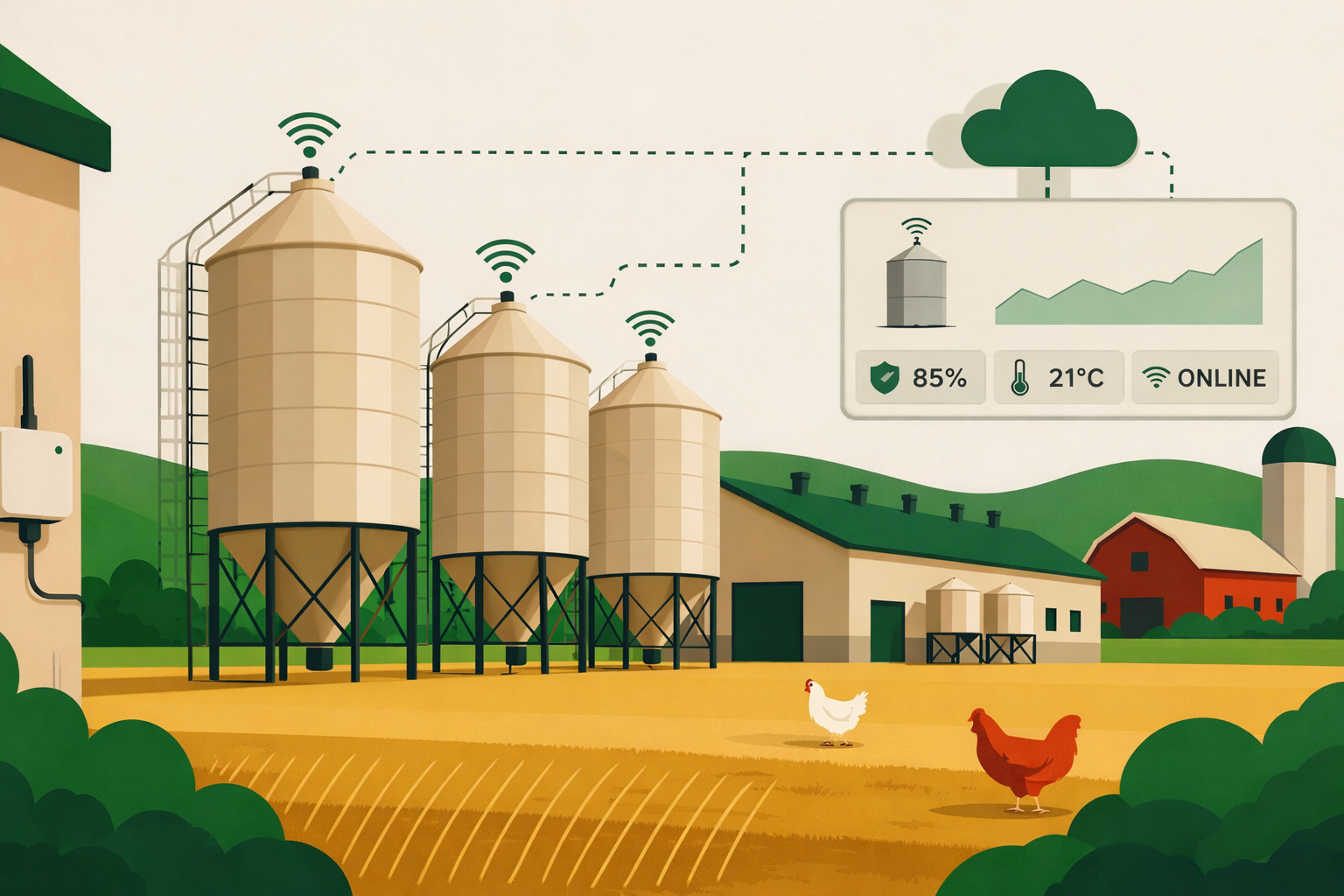
Antibiotics save sick birds and that doesn’t change — a sick flock has to be treated, and the decision to treat belongs to the vet. What changes is how we use them. For years they were given routinely, ‘just in case’, to whole flocks and as growth promoters. Today we know that this practice drives antimicrobial resistance and is already against the law. Farming with reduced treatment isn’t about dropping medicines — it’s about running the flock so that disease appears less often in the first place.
Why do we limit antibiotics?
The more we use antibiotics, the faster bacteria learn to get round them — that is antimicrobial resistance (AMR). Resistant bacteria don’t stay in the poultry house: they circulate between animals, people and the environment, which is why we talk about the ‘One Health’ approach. As the choice of medicines shrinks, the risk grows that there will be nothing left to treat with — for people and animals alike. On top of that comes market pressure: retail chains and buyers ask for production with reduced treatment, and consumers read the label. Limiting antibiotics is therefore about health, law and buyer demand all at once.
The framework: why and on what terms
The direction is clear — antibiotics to treat sick birds, not for routine. This follows both from EU rules and from what really reduces illness.
Antimicrobial resistance (AMR) and One Health
Bacteria exposed to antibiotics become resistant to them. That resistance moves between animals, people and the environment, so what happens in the poultry house also affects human health. Hence the ‘One Health’ principle — cutting use on the animal-production side protects the effectiveness of medicines for everyone.
Ban on growth promoters since 2006
Using antibiotics as growth promoters — adding them to feed so birds grow faster — has been banned in the European Union since 2006. That was the first big step: the antibiotic stopped being a feed additive and became solely a medicine given because of disease.
Regulation (EU) 2019/6 — ban on prevention
Since 28 January 2022 the routine, preventive use of antibiotics is banned — an antibiotic must not compensate for poor housing, hygiene or management. Preventive use is allowed only exceptionally, to a single bird or a limited number, when the risk of infection is very high and the consequences severe. Metaphylaxis — treating the whole group when some are already sick — is permitted only when there is a real risk of the disease spreading and no other suitable solution exists.
Antibiotics critical for people
Some antibiotics are especially important in treating humans, and certain ones are reserved exclusively for people and must not be used in animals. The remaining critical substances are heavily restricted. In practice this means the vet chooses the medicine so as to protect these most valuable substances from losing their effectiveness.
Pressure from the market and buyers
Retail chains, processors and exporters increasingly expect production with reduced treatment and can verify it. Low, well-documented antibiotic use becomes a commercial argument rather than just an obligation — a farm that can show it is a more reliable partner.
The role of solid treatment records
Lower antibiotic use can only be kept up when you know how much of what was actually used. A record of every treatment — what, when, at what dose and with what withdrawal — is the basis for settling with the buyer, for food safety and for drawing conclusions for the next flock.
Prevention instead of treatment — step by step
- 1
Put biosecurity first
The cheapest antibiotic is the one you never have to give. Tight entries, a hygiene lock and a change of footwear, control of rodents and wild birds, clean water, and thorough cleaning and disinfection between batches cut off the path for pathogens. The less of a pathogen reaches the flock, the less often disease appears at all.
- 2
Get chick and water quality right
A healthy start decides the whole batch. Good, even chicks from a reliable source, the right temperature in the first days, and clean, good-quality drinking water reduce stress and infection at the very beginning. Check the drinking line and water intake regularly — a drop in drinking is the first sign of a problem.
- 3
Strengthen gut health
A sound gut means immunity and better feed use. Probiotics, acidifiers (organic acids) and phytobiotics, well-matched feed and calm feed changes help keep the gut flora in balance. Fewer cases of diarrhoea and digestive trouble mean fewer reasons to reach for an antibiotic.
- 4
Vaccinate to the programme
Vaccination teaches the flock to defend itself. The vet sets a preventive programme against coccidiosis, Newcastle disease (ND) and other diseases that matter in your region. A well-given vaccination can lift a whole group of problems that would otherwise end in treatment.
- 5
Manage litter and climate
Dry, friable litter and the right temperature, humidity and ventilation create an environment where pathogens multiply less and birds aren’t stressed. Wet litter and poor ventilation quickly lead to leg, respiratory and gut problems — that is, straight to treatment.
- 6
Monitor and react early
Your daily walk through the house, water and feed intake, mortality and flock behaviour are your early-warning system. Reacting early — adjusting the climate, water or feeding — often stops a problem before it grows into disease that needs an antibiotic. And record every treatment together with the dose and withdrawal.
Frequently asked questions about antibiotic-free farming
Does ‘antibiotic-free’ mean you may never treat?add
No. A sick bird must always be treated, and the vet decides on treatment — that is an animal-welfare requirement. ‘Antibiotic-free’ or ‘reduced treatment’ means only that you don’t give them routinely, preventively or as a growth promoter. The whole skill is in running the flock so that the need to treat arises as rarely as possible.
What exactly did Regulation (EU) 2019/6 change?add
Since 28 January 2022 it bans the routine, preventive use of antibiotics — a medicine must not compensate for poor housing, hygiene or management. Prevention is allowed only exceptionally, to a single bird or a limited number where the risk is very high, and treating a whole group (metaphylaxis) only when some are already sick, spread is likely and no other solution exists. Some antibiotics are reserved exclusively for people and must not be used in animals. Earlier still, since 2006, the EU has banned the use of antibiotics as growth promoters. Together this means an antibiotic is a medicine for a disease with a specific indication, not a permanent additive.
Where is the best place to start reducing antibiotics?add
With biosecurity and a good start to the batch, because these reduce illness the most. A tight building, clean water, good chicks, the right temperature in the first days and a consistent vaccination programme remove most problems before they appear. Gut health, litter and climate round out the picture. Set the plan with your vet for your own flock.
Why keep treatment and withdrawal records?add
Because you can’t reduce what you don’t measure. A record of every treatment — what, when, at what dose and with what withdrawal — protects food safety (a bird won’t go to market before the withdrawal ends), lets you settle with the buyer, and lets you compare use between batches. It is also a hard argument when a buyer asks about production with reduced treatment.
Keep treatment and withdrawal records in DlaFerm.pl
In DlaFerm.pl you record every flock treatment — the medicine, the dose and the withdrawal — in one place, so you miss nothing and can easily prove reduced antibiotic use. Create a free account or write to us.
Phone
+48 796 258 151