Heat exchangers in the poultry house — cheaper heating through heat recovery
A heat exchanger (heat recovery unit) takes heat from the air leaving the poultry house and passes it to the fresh air that is just coming in. So you ventilate the flock without chilling it and burn less gas — especially in the first days of brooding, when chicks need a high temperature. We explain how it works, how to size a unit for your house and when the investment really pays off.
verifiedFrom the team that has organised work on poultry farms for years.
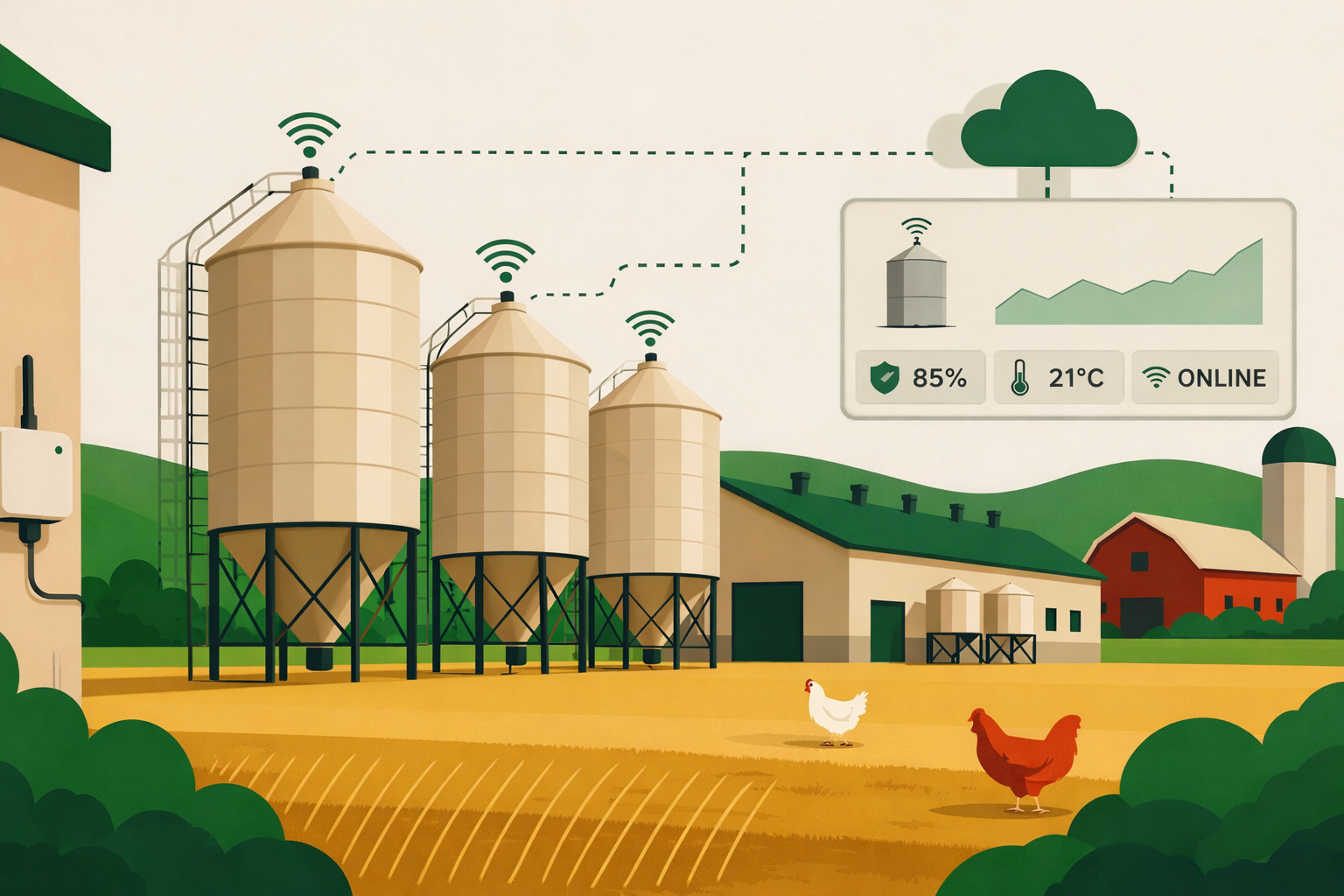
What is a heat exchanger in a poultry house
A heat exchanger, also called a heat recovery unit, is a device that recovers heat from the air exhausted from the poultry house and uses it to warm the fresh air coming in from outside. The stream of warm, stale air and the stream of cold, fresh air flow next to each other through thin partitions — heat passes through the wall, but the air does not mix. In practice this means that in winter you let pre-warmed air into the house instead of freezing air straight from outdoors.
Why recover heat from the exhaust
A poultry house must be ventilated constantly — otherwise humidity, ammonia and carbon dioxide build up. But every portion of warm air removed takes heat with it, heat you paid for with gas or electricity. A heat exchanger captures part of that heat and returns it to the house. This directly lowers the bill for heating the poultry house and stops ventilation from fighting heating.
Where it works best
Brooding gains the most. For the first days chicks need 32–34°C, and the gap between the house temperature and the outdoor air is largest in winter. That is when heat recovery brings the biggest savings. In this period minimum ventilation in the broiler house is also crucial — an exchanger lets you keep it without chilling the flock.
Drier litter and better air
Warmer air supplied to the house takes up moisture more easily, so the litter stays drier. Dry litter means less ammonia, better legs and breast, and a lower disease risk. On top of that, an exchanger lets you ventilate more intensively without fear of chilling, so humidity, CO2 and ammonia are easier to keep within norms throughout brooding.
How DlaFerm.pl helps you control consumption
The exchanger itself is just hardware — the payback shows only when you compare gas use against flock weight and results. In DlaFerm.pl you keep a digital Flock Card with notes on utility use and the course of brooding, plus flock records in IRZplus. After a few batches you can see whether the heat-recovery investment really pays off. You can create a farm account for free.
Heat exchanger in the poultry house — how it works step by step
From the type of unit to integration with the climate controller — here are six things to understand before you decide on heat recovery in your house.
Types: plate and tube exchangers
The most common is the plate exchanger — a stack of thin plates with two air streams flowing alternately between them. There are also tube exchangers, where fresh air flows through tubes surrounded by exhaust air. Plate units are compact and highly efficient, tube units can be easier to clean. The choice depends on the house volume and the space available for installation.
Principle: heat yes, mixing no
The core is heat exchange without mixing the streams. Warm air removed from the flock and cold fresh air pass through the exchanger on two sides of the same partition. Heat passes through the wall, but the dirty, stale air does not return to the birds — the house gets fresh air, only already warmed. This is what sets heat recovery apart from simple air recirculation.
Recovery efficiency — the key parameter
The first parameter is heat recovery efficiency, given as a percentage. It tells you how much of the heat from the exhaust the unit returns to the fresh air. The higher the efficiency, the more gas you save, but usually the more expensive the unit. Efficiency drops when the exchanger is dirty — so the real recovery depends not only on the catalogue, but also on how clean the unit is.
Air capacity — the second parameter
The second parameter is capacity — how many cubic metres of air per hour (m³/h) the exchanger can pass. It must cover the minimum ventilation demand for your stocking, otherwise it becomes a bottleneck. So you size the exchanger to the airflow the house needs on the coldest days, not to a yearly average.
When to use it: winter and early brooding
Heat recovery works hardest in winter and during brooding, when chicks need a high temperature and it is cold outside. In summer, when the house has to be cooled rather than heated, the exchanger is usually bypassed. So what counts first is the heating season and the first weeks of each batch.
Installation and controller integration
The exchanger is wired into the ventilation system — into the fresh-air inlet and the exhaust. It works best when run by the same climate computer in the poultry house that manages ventilation and heating. The controller knows when to switch recovery on and when to bypass it, and keeps the minimum air exchange without chilling the flock.
Sizing, costs and servicing of a heat exchanger
An exchanger only pays off when it is well sized and kept clean. Here are six things to think through before buying and to watch during operation.
Sizing to volume and stocking
An exchanger is sized to the house volume and bird numbers, because they set the required airflow (m³/h). Too small and it throttles ventilation, too large and it is an overpaid investment. The starting point is the minimum ventilation demand — check it in the guide on broiler house ventilation before you pick a model.
Costs and payback from gas savings
An exchanger is a cost of hardware and installation that pays back through lower gas use in the heating season. The more expensive the energy and the more winter batches, the faster the payback. To estimate it, compare heating use before and after — the article on poultry house heating costs and the energy demand calculator will help.
Servicing and cleaning
An exchanger collects dust, feathers and moisture — over time this lowers efficiency and can block the flow. The plates or tubes must be cleaned regularly, and the unit checked after every batch. A neglected exchanger not only saves less but also worsens ventilation. It is worth judging how easy it is to clean already when choosing the model.
Effect on humidity, CO2 and ammonia
An exchanger lets you ventilate more intensively without chilling the flock, so it is easier to keep humidity, carbon dioxide and ammonia within norms. This translates directly into drier litter and better leg health. Remember, though, that an exchanger does not replace ventilation — it supplements it. The minimum air exchange must be kept regardless of heat recovery.
Common mistakes
The most common mistakes are over- or undersizing, a lack of regular cleaning, and treating the exchanger as the only source of ventilation. Another is no integration with the controller — then recovery runs when it should not, or fails to switch on when it should. A well-set climate computer solves most of these problems.
When it pays off
An exchanger pays off most where there are many brooding cycles in the heating season, expensive gas and a large temperature gap between the house and outdoors. In a warm climate or with few winter batches the payback can be slower. Before you invest, calculate the savings on concrete numbers — rely on the energy demand calculator, not on general promises.
Frequently asked questions about heat exchangers in the poultry house
What is a heat exchanger in a poultry house?add
It is a device, also called a heat recovery unit, that recovers heat from the air exhausted from the house and uses it to warm the fresh air coming in from outside. Both streams flow next to each other through thin partitions — heat passes through the wall, but the air does not mix. In winter this means the flock gets pre-warmed air instead of freezing air straight from outdoors.
How much can you save on heating with an exchanger?add
The saving depends on the recovery efficiency, the climate, the price of gas and the number of brooding cycles in the heating season, so it is hard to give a single figure. The higher the efficiency and the larger the temperature gap between house and outdoors, the more you save. It is best to compare heating use before and after installation on your own data, using an energy demand calculator.
Which exchanger to choose — plate or tube?add
Plate exchangers are compact and highly efficient, which is why they are most common in poultry houses. Tube exchangers can be easier to clean but take up more space. The choice depends on the house volume, the required capacity (m³/h) and the space for installation. In both cases it is crucial that the unit covers the minimum ventilation demand on the coldest days.
Does a heat exchanger replace ventilation?add
No. An exchanger supplements ventilation rather than replacing it. Its job is to recover heat from the airflow that has to be exchanged anyway to keep humidity, carbon dioxide and ammonia within norms. The minimum air exchange must be kept regardless of heat recovery, so the exchanger works together with the ventilation system, not instead of it.
How often should a heat exchanger be cleaned?add
An exchanger collects dust, feathers and moisture, which over time lowers its efficiency and can block the airflow. The plates or tubes are best cleaned regularly, and the unit checked after every batch. A neglected exchanger saves less and worsens ventilation, so it is worth judging how easy it is to clean already when choosing the model.
When does an exchanger investment pay off?add
Fastest where there are many brooding cycles in the heating season, expensive gas and a large temperature gap between the house and outdoors. In a warm climate or with few winter batches the payback can be slower. Before buying, calculate the savings on concrete numbers by comparing heating use, instead of relying on the manufacturer’s general promises.
Check whether heat recovery pays off in your house
Want to know if an exchanger really lowers your heating bill? Track utility use and brooding results in the digital Flock Card, and after a few batches you will see it in the numbers. Create a free farm account at DlaFerm.pl.
Phone
+48 796 258 151