Poultry manure in a biogas plant — energy and lower emissions
Poultry manure is not only waste to deal with, but also an energy feedstock. In a biogas plant, through anaerobic digestion, it turns into biogas and from there into electricity and heat. We explain how it works, what environmental benefits it brings and what makes digesting manure on its own difficult.
verifiedFrom the team that has organised work on poultry farms for years.
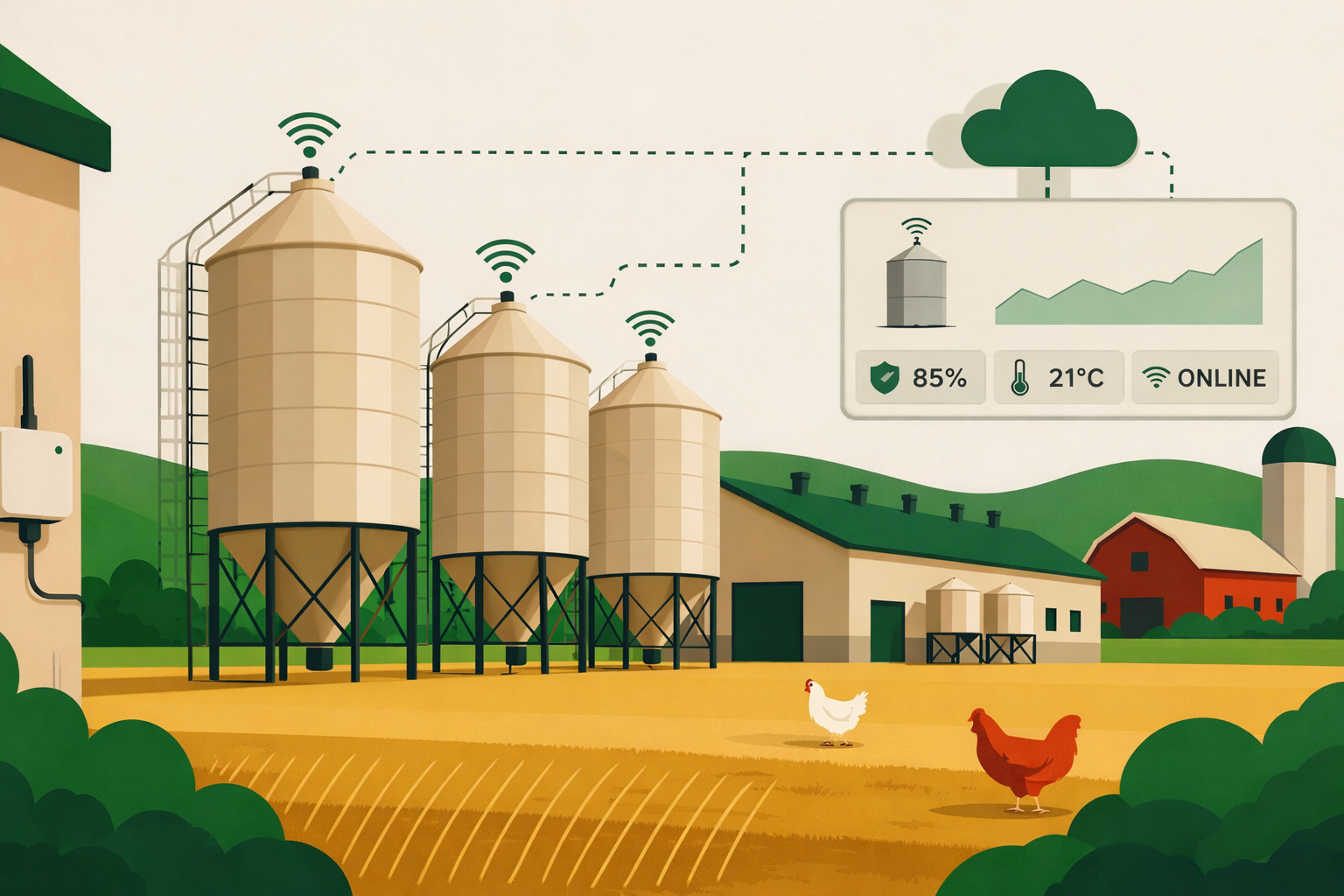
Poultry manure is rich in organic matter and nitrogen, which makes it a suitable substrate for biogas production. In a sealed, oxygen-free tank, bacteria break it down and produce a mixture of methane and carbon dioxide — biogas. Burned in a cogeneration unit it gives electricity and heat, and what remains after digestion, the digestate, goes back onto the fields as fertiliser. This is one specific direction within the broader subject of manure management — here we focus on the biogas route.
Why does manure go to a biogas plant?
Storing and keeping manure in a heap means methane and ammonia escaping into the air, along with troublesome odours. Sending manure to a sealed biogas plant captures that methane and turns it into energy instead of releasing it into the atmosphere. On top of that, the digestate left after fermentation has nitrogen in a form more readily available to plants than raw manure, so it works as a fertiliser with a more predictable make-up. The benefit is twofold: fewer emissions and odours on the farm, plus energy and a better fertiliser.
Manure as a biogas substrate
From raw manure, through anaerobic digestion, to energy and digestate going back to the fields — step by step, what happens to manure in a biogas plant.
Anaerobic digestion
The heart of a biogas plant is a sealed, heated tank (the digester) with no air. Inside it, bacteria break down the organic matter of the manure and produce biogas — mostly methane and carbon dioxide. The process needs a steady temperature and an adequate retention time so that it runs evenly and efficiently.
Biogas for energy and heat
The biogas produced goes to a cogeneration unit that makes electricity and heat at the same time. The power can be used on the farm or fed into the grid, and the heat can warm the digester, the buildings or the poultry houses themselves. This turns a troublesome waste into a useful energy source.
Fewer emissions and odours
In a sealed biogas plant the methane that would escape into the air during storage is captured and burned instead of leaking out as a greenhouse gas. The troublesome odours around the farm also drop. This is one of the main environmental advantages of this route over keeping manure in a heap.
Digestate as fertiliser
What remains after fermentation, the digestate, is a valuable fertiliser. Part of the nitrogen shifts into an ammonium form, more available to plants than in raw manure, and the make-up is more even. Digestate still has to be stored correctly and applied in line with fertiliser rules, so that nitrogen is not wasted and the environment is not burdened.
The challenge: high nitrogen and ammonia
Poultry manure on its own is a difficult substrate. A lot of nitrogen means a lot of ammonia, which in excess inhibits the bacteria and can stop the digestion. That is why pure manure is rarely digested — it is more often combined with other feedstocks to dilute the nitrogen and stabilise the process.
Co-digestion and feed structure
The answer is co-digestion: manure is mixed with substrates lower in nitrogen, for example plant silages or other agricultural residues. The litter present in litter-based manure adds structure and carbon, which also helps to balance the proportions. A well-chosen feed mix is the key to stable, efficient digestion.
From manure to biogas step by step
- 1
Estimate the amount and type of manure
Start with how much manure your farm produces and what kind it is — dry from litter rearing or wetter. The amount and type decide whether it is worth thinking about your own installation at all, or rather about handing the manure over. It is also the starting point for a conversation with a technology supplier or a receiver.
- 2
Choose the model: own or external
There are two main routes. A small biogas plant of your own on the farm gives energy and heat on site, but it is a sizeable investment and comes with operator duties. Handing manure over to an external biogas plant is simpler — a specialised facility collects the manure and you are rid of the waste problem. The choice depends on scale, capital and how much time you want to spend on operation.
- 3
Plan the co-digestion
If you go towards digesting the manure, plan what to combine it with. Manure alone, high in nitrogen, is difficult, so complementary substrates lower in nitrogen are needed. The choice of proportions and the local availability of extra feedstocks have a real effect on whether the process is stable and efficient.
- 4
Take care of storage and hygiene
Manure destined for a biogas plant has to be stored and handed over correctly, in line with biosecurity and the rules on waste and animal by-products. This applies both to the feedstock and to the digestate returning to the fields. Plan it ahead to avoid improvisation and sanitary risk.
- 5
Account for energy and heat
With your own installation, decide how you will use the power and heat: how much you consume on the farm and how much you might feed into the grid. The heat from cogeneration is best directed to warming the digester and the buildings, including the poultry houses, because it lowers energy costs. A sensible plan for using the energy decides the viability of the whole thing.
- 6
Apply digestate in line with the rules
Digestate is a fertiliser, but its use is subject to the same principles as other organic fertilisers — timing, doses and water protection. Analyse its make-up, plan the doses to the needs of the crops and keep records. Used well, the digestate closes the loop: manure gives energy, and the nutrients return to the fields.
Frequently asked questions about manure in a biogas plant
Can biogas be produced from poultry manure alone?add
It can, but it is difficult. Manure is high in nitrogen, and the ammonia it produces, in excess, inhibits the bacteria and can stop the digestion. That is why pure manure is rarely digested — it is usually combined with substrates lower in nitrogen, for example silages, to dilute the nitrogen and stabilise the process. Litter-based manure also adds structure and carbon, which helps too.
Is your own biogas plant or handing manure over more worthwhile?add
It depends on the scale of the farm, the capital and how much time you want to spend on running the installation. A small biogas plant of your own gives energy and heat on site, but it is a large investment and comes with operator duties. Handing manure over to an external biogas plant is simpler and needs no installation to run — in exchange, you get no energy from your own manure. The decision is best based on the amount of manure and a conversation with a technology supplier or a receiver.
What happens to the manure after fermentation?add
After fermentation the digestate remains — a valuable organic fertiliser. Part of the nitrogen shifts into an ammonium form, more available to plants than in raw manure, and the make-up is more even. The digestate returns to the fields, but its storage and use are subject to fertiliser rules, so you have to plan the doses, the timing and the records.
Does a biogas plant really cut emissions and odours?add
Compared with keeping manure in a heap — yes. During storage, methane and ammonia escape into the air, and an odour lingers around the farm. A sealed biogas plant captures the methane and turns it into energy instead of releasing it as a greenhouse gas, and the odour nuisance drops. This is one of the main environmental advantages of this manure-management route.
Plan your manure management in DlaFerm.pl
In DlaFerm.pl you keep your farm and building data in one place, which makes it easier to plan manure management — including the biogas route. Create a free account or write to us.
Phone
+48 796 258 151