Sheep breeding: heat, tupping season and the breeding ram
You breed sheep in a tupping season (in Polish, stanówka): a set period when the ram runs with the ewes. The start of tupping sets your lambing date, because pregnancy lasts about 5 months. We explain how to spot heat, how to plan the tupping season and how to choose and prepare a ram.
verifiedFrom the team that has organised work on poultry farms for years.
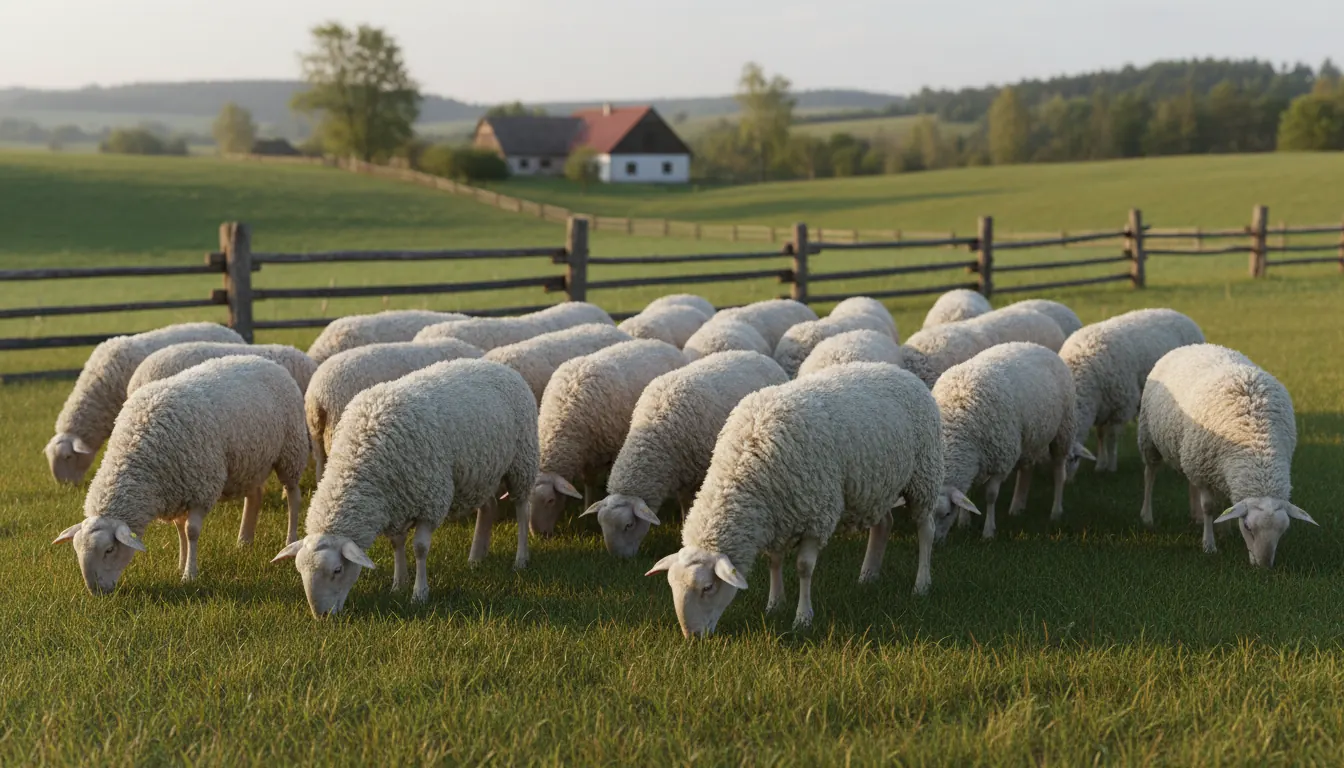
A ewe becomes pregnant when a ram mates with her during heat. Farmers do this in a tupping season: you put the ram in with the ewes for a fixed time and write down the dates. You count the approximate lambing date from the day of tupping, because pregnancy in sheep lasts about 5 months. So the tupping decision is also a decision about when lambs appear in the shed, how much work you will have and what you will feed them with. We cover birth in detail in our article on lambing.
What sets the tupping date
You choose the date to fit your production system. On the farm described in an IZ PIB monograph on native breeds (Cakiel Podhalański and the Polish Mountain Sheep), tupping takes place in September and October and lambing in January and February. Lambs are weaned in late April or early May, when the pasture has enough green grass, and in winter the sheep get only hay. That flock reached 99% fertility, 135% prolificacy and a 93% lamb rearing rate. This is one farm, not a national average, but it shows that you have to match the date to your pasture and feed. For more on what sheep eat in winter, see feeding sheep in winter.
Heat in ewes: how to spot it
Seasonal breeding
Sheep are seasonal breeders: heat appears mainly in the second half of the year, as days get shorter. How strong the seasonality is depends on the breed, so some breeds mate more readily in autumn and others are easier to bring into heat out of season. You can read about breed traits in our guide to sheep breeds. If you plan tupping outside the usual time, check with an adviser or a vet whether your breed suits it.
Signs of heat
A ewe in heat is restless, looks for the ram, stands still when he approaches and lets him mount. She may wag her tail and eat less. Outward signs can be hard to see, so in practice the ram tells you when mating happens. Don't guess mating dates: write down which ewe was mated and when.
Marking the ewes
Marking helps. Use paint on the ram's chest or a special harness with a crayon. A mated ewe carries a colored mark on her back. Change the paint color every few days and the marks show which ewes were mated in which phase of the season. That tells you in advance the order in which they will lamb.
Tupping season: how to plan it
Length of the season and order of work
A short tupping season bunches the lambings together, which makes them easier to manage, but any ewe that did not conceive in that period waits until next year. A long season spreads lambing out and lengthens the work in the shed. Set the length to match your flock size, the number of rams and what your building can handle. Make sure the shed has room for all the ewes at lambing, as we describe in our article on the sheep shed.
Ewe condition before mating
Ewes entering the tupping season should be in good condition but not fat. Ewes that are too thin conceive less well, and ewes that are too fat have trouble with breeding and birth. Before tupping, check health and hooves, deworm the flock as advised (deworming sheep) and provide good pasture or feed. Agree exact feed amounts with a nutrition adviser.
Breeding performance figures
After tupping, work out three figures. Fertility is the share of ewes that lambed. Prolificacy is the number of lambs born per 100 ewes that lambed. The rearing rate is the share of lambs that survived to weaning. On the IZ PIB farm quoted above they were 99%, 135% and 93%. Compare these numbers with your own flock year on year, not with other people's.
The breeding ram: choice and care
How to choose a ram
Choose the ram for your breeding goal: meat, wool or milk. It pays to buy an animal with a breeding value assessment and known ancestry. An example from Ireland: according to Teagasc, in 2019 the country had 82,055 breeding rams, and hill rams made up 19% of them, although hill breeds and their crosses make up 49% of the breeding ewe flock. It shows how much influence a small group of rams has on the whole population. Think the same way about how many offspring you will keep in your flock.
Health and resistance
British AHDB material on worm control quotes farmers who choose rams with high breeding values for resistance to internal parasites. This gives a heritable benefit in the flock. Before the season, check the ram's feet, teeth, testicles and general health. Isolate a newly bought animal, as we describe in our article on sheep diseases.
How many ewes per ram
Match the number of ewes per ram to the animal's age and condition, the length of the season and how you keep the flock. A young ram can serve fewer ewes than an adult. Agree the exact ratio with an adviser or a vet. It is good to keep a second ram in reserve in case the first falls ill or goes lame.
Pens, pasture and paperwork during tupping
Where to keep the ram
Outside the tupping season, keep the ram apart, in a strong pen. Rams can be aggressive and the fence has to hold them. You will find fences and electric netting in our article on pens and fencing for sheep. During tupping on pasture, plan the paddocks so that the ewes have access to feed and the ram doesn't wander off to the neighbors, following the rules of sheep grazing.
Shearing and treatments before tupping
Many farms combine jobs: shearing, hoof trimming and deworming are done before the ram goes in. We cover the timing of shearing in our article on shearing sheep. That way the flock is calm during tupping and you don't have to catch animals.
Records and reporting
Write down tupping dates, ram and ewe numbers and lambing dates. You report newborn lambs and changes in the flock under the rules in our article on registering sheep with ARiMR (Poland's Agency for Restructuring and Modernisation of Agriculture). Check current requirements with ARiMR and the county veterinary officer; this reflects the state of knowledge as of 23.11.2026.
Frequently asked questions
How long is a ewe pregnant?add
A ewe is pregnant for about 5 months. So you count the lambing date from the day of mating. Write down the tupping dates so you know when to get the shed ready.
When is the tupping season for sheep?add
The date depends on the breed, the pasture and your production plan. On the farm described by IZ PIB, tupping is in September and October and lambing in January and February. Match the date to your feeding system.
How do you tell when a ewe is in heat?add
A ewe in heat looks for the ram, stands still when he approaches and lets him mount. Other signs are hard to see. The best method is to mark mated ewes with paint on the ram's chest.
What is a breeding ram?add
A breeding ram is the male used to mate the ewes in the tupping season. He passes his genes to a whole year's lamb crop, so buy a healthy animal with known ancestry and a breeding assessment.
Which breeding figures should I track in my flock?add
Track fertility, prolificacy and the lamb rearing rate. On the farm in the IZ PIB monograph they were 99%, 135% and 93%. Compare your own flock's results with previous years.
Should ewes be dewormed before tupping?add
It is worth checking the flock's parasite status and deworming as your vet advises. The vet chooses the medicine and dose, and you keep to the withdrawal period.
Sources & resources
- linkIZ PIB (monograph) — The potential of native sheep breeds in natural food production: tradition, regionality, quality
- linkTeagasc — Teagasc Sheep Open Day 2022
- linkHCC / AHDB / QMS — Worm control in sheep – for better returns
- linkAHDB — Reducing lamb losses for Better Returns (Sheep Manual 14)
Prepared by: DlaFerm Team based on data from the sources listed · Publisher: INSTA-TECH sp. z o.o.
Keep track of treatments and withdrawal periods in your flock
The <a href="/ewidencja-leczenia-i-karencja-lekow">Treatment and withdrawal</a> module in DlaFerm helps you record treatments and watch withdrawal periods, and the <a href="/ksiega-wejsc-na-ferme">QR entry and exit log</a> keeps farm visits in order. Create a free farm account or get in touch.
Phone
+48 796 258 151