Sheep shearing: when to shear, shears, preparation
As a rule, you shear sheep once a year, on a dry day and with a dry fleece. The date depends on the breed, the weather and your lambing plan. We explain how to choose shears, prepare the flock and the shearing spot, and what to do right after shearing.
verifiedFrom the team that has organised work on poultry farms for years.
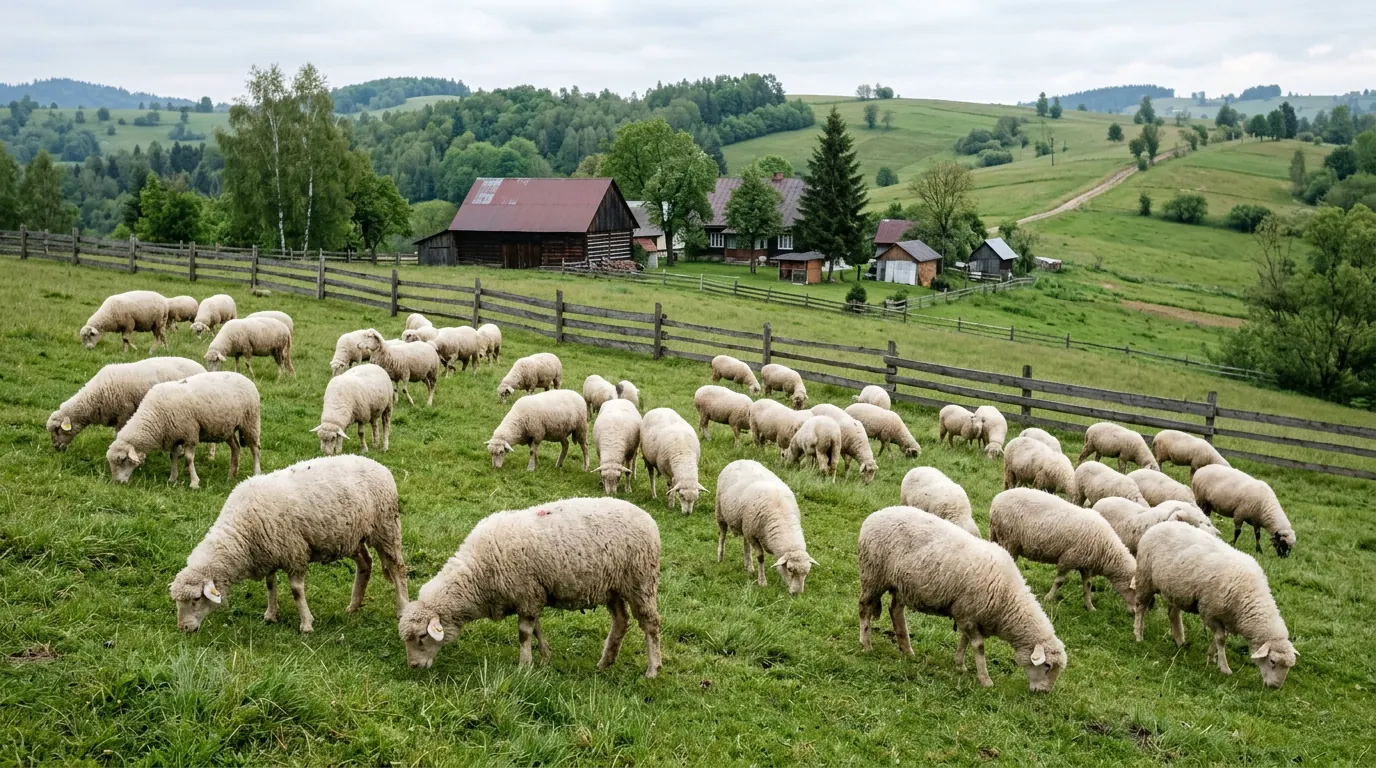
Shearing is a yearly job that takes the fleece off the sheep before the warm season or before the time spent indoors. You do it with hand shears or electric clippers, always on a dry fleece and in a clean place. Pick the date to suit the breed, the weather and lambing dates, and prepare the animals beforehand.
Why shear sheep
A fleece you leave on bothers the sheep on warm days and collects dirt, bedding and external parasites. Shearing also makes it easier to judge condition: under the wool you see the real body shape and the state of the skin. It matters most for wool breeds. In meat flocks it mainly tidies up work at lambing and when you assess the animals. We describe breeds with a different type of coat in the article on sheep breeds.
Who does the shearing
You can shear a small flock yourself if you have the equipment and some practice. In larger flocks, keepers usually hire a shearer who brings their own clippers. That person comes onto the farm from outside, so follow your biosecurity rules and record the visit. You will find more on running a flock in our guide to sheep farming.
When to shear sheep
Spring and early summer
Most often you shear sheep once a year, in spring or early summer, when the frosts are over and the fleece is dry. Shearing too early on cold days risks chilling the animals, especially when they come out of a warm shed. Shearing too late means overheating in hot weather and poorer weight gain. Watch the forecast: a few stable, dry days after shearing matter more than a date on the calendar. Set the exact date to suit the conditions in your region.
Shearing and lambing
Some keepers shear ewes before lambing so lambs find the udder more easily and the bedding stays cleaner. Others wait until after the lambs are weaned, because ewes in late pregnancy should not be stressed by being turned over. If you shear before lambing, do it early and carefully, and do not keep the animal on its back for long. We cover pregnancy and lambing in the article on lambing.
Shearing lambs
Polish breeding literature refers to the first and second lamb shearing. According to the IZ PIB monograph on livestock farming (the National Research Institute of Animal Production), rams were assessed using, among other things, clean fiber yield at the first or second lamb shearing and wool length. This shows that in wool flocks, shearing lambs is part of assessing performance.
Shears for sheep
Hand shears
Spring shears are cheap, quiet and need no electricity. They suit a small flock of a few to a dozen or so sheep, and touch-ups around the udder, tail and legs. Shearing with them takes longer and needs a strong hand, so the animal is held for longer. The blades must be sharp and clean, because dull blades pull the fleece and irritate the skin. After each use, clean off the lanolin and oil them.
Electric clippers
For more animals, clippers with a comb and cutter are better. You shear faster and the fleece comes off in one piece, which matters if you sell the wool. Clippers need power near the shearing spot, regular sharpening or blade changes, and oiling. For large flocks, most keepers hire a shearer with their own equipment. Add labor and equipment costs to the calculation we describe in the article on sheep farming profitability.
What to look for when buying
Choose equipment made for sheep, not for dogs or horses. Check that spare blades and servicing are available, and look at the weight of the machine and the cable length. Ask the seller whether the comb suits your fleece type: the dense, long fleece of wool breeds loads the motor differently than the short coat of meat breeds. Also buy blade oil and a cleaning brush.
Preparing the sheep and the shearing spot
Dry fleece and a short break in feeding
A wet fleece is not fit for shearing: packed wool goes moldy and clippers dull faster. Keep the sheep in a dry building the night before. A full rumen makes the animal harder to hold and raises the risk to the sheep, so you usually limit access to bulky feed for a few hours before shearing. Agree the exact length of the break with your vet or an experienced shearer. Leave water available. You will find the basics of feeding in the article on what sheep eat.
Place and organization
You need a clean, dry, level surface: a board, planks or a tarp that does not pick up dirt from the ground. A roofed spot is also good, so weather does not stop the work. Set up a waiting pen so the sheep wait calmly and do not crowd. Use the existing fencing and gateways we describe in the guide to sheep pens and fencing. Keep a first-aid kit, disinfectant and a broom for the clippings close by.
Health and records
Before shearing, check the skin and tell the shearer about sick animals or ones you suspect of infection. Shear sick sheep last, then clean and disinfect the equipment. Note the shearing date and any cuts or treatments. If you suspect an infectious disease such as bluetongue, contact your vet, and compare the signs with the article on sheep diseases.
How shearing a sheep goes
Position and order of cuts
Experienced shearers sit the sheep on its rump and hold it between their legs so it has nothing to push against. You start with the belly, then the sides, neck, back and legs. The fleece should come off in one piece. Stretch the skin with your free hand to avoid cuts, and keep the comb tips flat. Do not rush: a cut animal needs treating, and stress makes the job longer.
Cuts and animal behavior
Sometimes a sheep jerks. Disinfect minor cuts with a product your vet recommends. For deeper wounds, call the vet. If a medicine has a withdrawal period, write down the date you gave it, because it affects the date of slaughter or milking. We describe how to keep such records in the treatment and withdrawal period module. Set a stressed or tired animal aside and let it rest.
Caring for the flock after shearing
Protection from cold, rain and sun
Right after shearing, sheep lose their natural insulation. Give them a roof or shelter in case of rain and cold nights. In hot weather pale skin can burn, so in the first days provide shade and limit long grazing in full sun. Plan shearing so that a few stable days follow it. We describe paddock and grazing rules in the article on grazing sheep.
Parasites and skin check
Shearing is a good moment to check the skin for mange, lice and ticks. Report animals with signs to your vet. While you are at it, plan a check for internal parasites and see when the next worming is due. We cover dates and the withdrawal period rule in the article on worming sheep. The vet always chooses the medicine and the dose.
Wool and transport
Store the fleece in a dry, airy place, not in bags with damp wool. Wool prices change, so check current offers from buyers and processors. If you haul shorn sheep, remember the transport rules. Council Regulation (EC) No 1/2005 (Official Journal of the EU L 3, 5.1.2005) gives different minimum floor areas for shorn and unshorn sheep: for shorn sheep weighing up to 55 kg it is 0.20 to 0.30 m² per animal, for unshorn sheep 0.30 to 0.40 m².
Frequently asked questions
When should you shear sheep?add
Usually once a year, in spring or early summer, when the frosts are over and the fleece is dry. Adjust the date to the breed, the weather and your lambing plan. After shearing, provide a few stable, dry days.
Can you shear sheep before lambing?add
Yes. Many keepers shear ewes before lambing because the shed stays cleaner and lambs find the udder more easily. Do it early and calmly, without turning the pregnant ewe over too much.
What shears should you buy for sheep?add
For a few animals, hand spring shears with sharp blades are enough. For a larger flock, electric clippers with a comb and cutter made for sheep are better. Always buy spare blades.
Do you have to fast sheep before shearing?add
You usually limit bulky feed for a few hours before the job so the rumen is not full. Leave water available. Agree the exact time with your vet or shearer.
Can you shear wet sheep?add
No. A wet fleece dulls blades faster, and packed wool goes moldy. Keep the sheep in a dry building before shearing.
What should you do about a cut after shearing?add
Disinfect minor cuts with a product your vet recommends. Show deeper wounds to the vet. The vet always chooses the medicine and dose, and you record any withdrawal period in your treatment records.
Sources & resources
- linkEU / Publications Office of the EU: Council Regulation (EC) No 1/2005 on the protection of animals during transport (PL)
- linkIZ PIB: Livestock farming and breeding over 70 years. Cattle Breeding Department, Sheep and Goat Breeding Department
- linkChief Veterinary Inspectorate (Główny Inspektorat Weterynarii): gov.pl/web/wetgiw
- linkNational Research Institute of Animal Production (Instytut Zootechniki PIB): izoo.krakow.pl
Prepared by: DlaFerm Team based on data from the sources listed · Publisher: INSTA-TECH sp. z o.o.
Is a shearer coming onto the farm? Log the visit in the QR entry book
The "QR entry and exit book" module in DlaFerm.pl lets you record every outside visitor, including a shearing crew, without paper notebooks. Create a free farm account or get in touch with us.
Phone
+48 796 258 151