Rabies in livestock: the 2026 situation in Poland, symptoms and keeper duties
In 2026 Poland's Veterinary Inspection (Inspekcja Weterynaryjna) confirmed 9 rabies outbreaks, according to its notice of 29.10.2026. We show where they occurred, how fox vaccination works, what the Animal Health Act says and what a keeper should do if rabies is suspected.
verifiedFrom the team that has organised work on poultry farms for years.
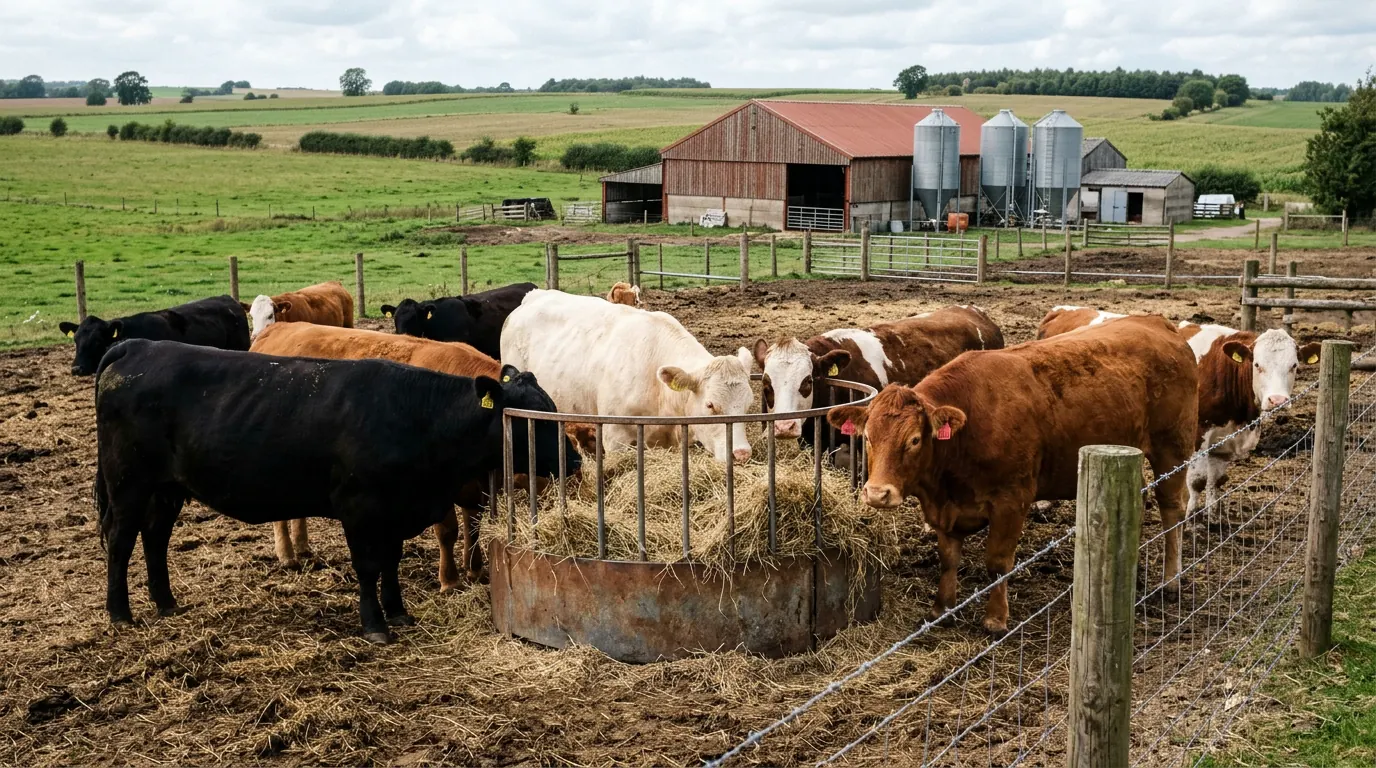
Legal status as of 23 November 2026. According to a notice from the Chief Veterinary Inspectorate (Główny Inspektorat Weterynarii) of 29.10.2026, laboratory tests confirmed 9 rabies outbreaks in Poland in 2026. The latest was confirmed on 23.10.2026 in a fox in Chotyniec, Jarosław county, Podkarpackie voivodeship. Rabies affects all mammals, including cattle, pigs, sheep, goats and horses. As a keeper, you must keep your animals away from wildlife and report every suspected case.
What we cover
Below you will find the 2026 outbreaks by voivodeship, the rules for vaccinating wild foxes, the provisions of the Animal Health Act (Dz.U. 2025 poz. 1795, Poland's Journal of Laws) and practical steps for your farm. We describe the wider legal context in the Animal Health Act and what it changes for keepers from 18 March 2026.
Rabies outbreaks in Poland in 2026
How many outbreaks and where
The notice of 29.10.2026 lists 9 outbreaks: 4 in Lubelskie voivodeship, 1 in Podlaskie, 1 in Mazowieckie and 3 in Podkarpackie. Earlier notices show how the number grew in October. The notice of 12.10.2026 reported 7 outbreaks, and the notice of 16.10.2026 reported 8. The outbreak of 2.10.2026 involved a fox in the commune of Lubycza Królewska, Tomaszów county. The outbreak of 14.10.2026 involved a marten in Przemyśl. The virus is circulating among wild animals, mainly foxes but also martens.
Measures in threatened areas
Control and eradication measures are introduced by local legal acts: regulations of county veterinary officers and voivodes. According to October 2026 notices, such regulations were issued by county veterinary officers in Łosice, Biała Podlaska, Tomaszów Lubelski and Przemyśl, and by the Lubelskie and Podkarpackie voivodes. They include an order to vaccinate cats against rabies. If your farm is in one of these counties, check the current regulation with the county veterinary inspectorate. Notices are published by the Chief Veterinary Inspectorate, and local acts by voivodeship and county offices.
Oral vaccination of wild foxes
Autumn campaign 2026
The Veterinary Inspection ran an additional autumn campaign to vaccinate wild foxes. It took place on 22–31 October 2026 in Podkarpackie voivodeship, on 23 October 2026 in Lubelskie and on 24–25 October 2026 in Mazowieckie. The vaccine is placed by hand and dropped from aircraft in baits. The product used was Rabadrop, an oral suspension. Under the Act, the voivodeship veterinary officer carries out fox vaccination, and the campaign is co-financed by EU funds.
What the baits look like and what to do about them
The bait is brown-green to brown, square or round, and firm. Inside is a plastic blister marked "Uwaga-szczepionka przeciw wściekliźnie" (Warning: rabies vaccine). Do not pick up or touch the baits, because the human scent puts foxes off. For 14 days after the baits are laid, keep dogs and cats away from them. If a pet or farm animal eats the vaccine, contact a vet. If the contents of the blister touch your skin, wash it with soap and water and seek medical help.
What the Animal Health Act says
Dog vaccination and possible extension
Art. 44 of the Act of 21.11.2025 (Dz.U. 2025 poz. 1795) requires vaccination of dogs older than 3 months and of wild foxes in areas set out in the programme. For other animals, the Act lets the minister of agriculture introduce a vaccination duty by regulation, for the whole country or part of it. The Act does not impose this duty on cattle or pigs. Check local acts to see whether vaccination of cats or other species applies in your county. A dog that guards your yard must be vaccinated, because it is the animal most likely to meet wildlife.
Penalties and cooperation between services
Art. 102 of the Act provides a fine for a dog owner who did not carry out the mandatory vaccination, and for a person who did not carry out a vaccination duty for other animals introduced by regulation. Art. 43 requires the Veterinary Inspection, the State Sanitary Inspection, the Police, the Polish Hunting Association and local governments to cooperate in fighting zoonoses, including by informing one another of suspected or confirmed disease. For a keeper, this means a suspected case quickly reaches many services. Art. 45 of the Act covers compensation for animals killed on the Inspection's order; it applies to cattle, pigs, sheep, goats, horses and poultry, among others.
Rabies symptoms in livestock
Rabies in cattle and other species
Rabies in cattle, pigs, sheep, goats and horses must be diagnosed by a vet and confirmed in a laboratory. Be careful if an animal behaves oddly, drools, refuses feed, or is aggressive or listless. Rabies is a zoonosis, so do not touch a sick animal with bare hands. The vet sets the diagnostic approach, and rabies signs are easy to confuse with other conditions, such as BSE or listeriosis.
What a keeper does on the farm
Prevention
Limit contact between your animals and foxes, martens and other wildlife. Keep livestock buildings closed, do not leave feed or carcasses where wildlife can reach them, and keep pasture fences in good repair. Vaccinate dogs and, if a local regulation requires it, cats. You can prepare your farm's protection plan in the biosecurity plan generator. Similar rules apply to other diseases, such as leptospirosis or anthrax. Log visitors in the QR entry and exit log.
Suspected rabies
If you suspect rabies, call a vet at once or notify the county veterinary officer. Isolate the animal, keep outsiders away and do not move animals off the farm. Write down who had contact with the animal. People exposed to the saliva of a sick animal will be referred by the sanitary services or a doctor. Do not kill the animal yourself and do not butcher the carcass. We describe slaughter rules in articles on slaughter for own use and on-pasture slaughter, but when disease is suspected, the Inspection decides. Treatment and doses are not for you to decide; a vet sets any procedures.
Frequently asked questions
How many rabies outbreaks were there in Poland in 2026?add
According to the Chief Veterinary Inspectorate notice of 29.10.2026, there were 9 outbreaks. Four occurred in Lubelskie voivodeship, one in Podlaskie, one in Mazowieckie and three in Podkarpackie. The latest was confirmed on 23.10.2026 in a fox in Jarosław county.
Do you have to vaccinate cattle against rabies?add
The Animal Health Act requires vaccination of dogs and wild foxes. For other animals, the minister of agriculture can introduce a duty by regulation. The Act does not impose this duty on cattle. Check the current situation with your county veterinary officer.
What are the symptoms of rabies in animals?add
Diagnosis is for a vet and needs a laboratory test. If an animal behaves oddly, call a vet and do not touch it with bare hands. Do not make a diagnosis yourself.
What should you do if an animal eats a fox vaccine bait?add
Contact a vet. The vaccine is not meant for pets or farm animals. For 14 days after the baits are laid, keep dogs and cats out of the campaign area.
Who vaccinates wild foxes against rabies?add
Under the Act, the voivodeship veterinary officer vaccinates wild foxes. The vaccine is placed by hand and dropped from aircraft, and the campaign is co-financed by EU funds.
Is it safe to touch vaccine baits?add
No. The human scent can put foxes off the bait. If the contents of the blister touch your skin, wash it with soap and water and seek medical help.
Sources & resources
- linkJournal of Laws — Act of 21 November 2025 on animal health (Dz.U. 2025 poz. 1795)
- linkChief Veterinary Inspectorate — Notice on the additional autumn campaign of oral vaccination of wild foxes against rabies
- linkChief Veterinary Inspectorate — Notice updating the epidemiological situation of rabies in animals in 2026
- linkChief Veterinary Inspectorate — Notice containing an update on the epidemiological situation of rabies in 2026
- linkChief Veterinary Inspectorate — gov.pl/web/wetgiw
Prepared by: DlaFerm Team based on data from the sources listed · Publisher: INSTA-TECH sp. z o.o.
Protect your farm from disease: the biosecurity plan generator in DlaFerm
The biosecurity plan generator helps you set out rules for entering the farm, contact with wildlife and what to do if you suspect disease. You can log visitors in the QR entry and exit log. Create a free farm account in DlaFerm or get in touch.
Phone
+48 796 258 151