Poland's animal protection act 2026: what it means for poultry keepers
Poland's animal protection act applies to everyone who keeps animals, including poultry keepers. We give no new deadlines or figures here, because we have not confirmed them. We show you how to check the current text and which records to prepare before an inspection.
verifiedFrom the team that has organised work on poultry farms for years.
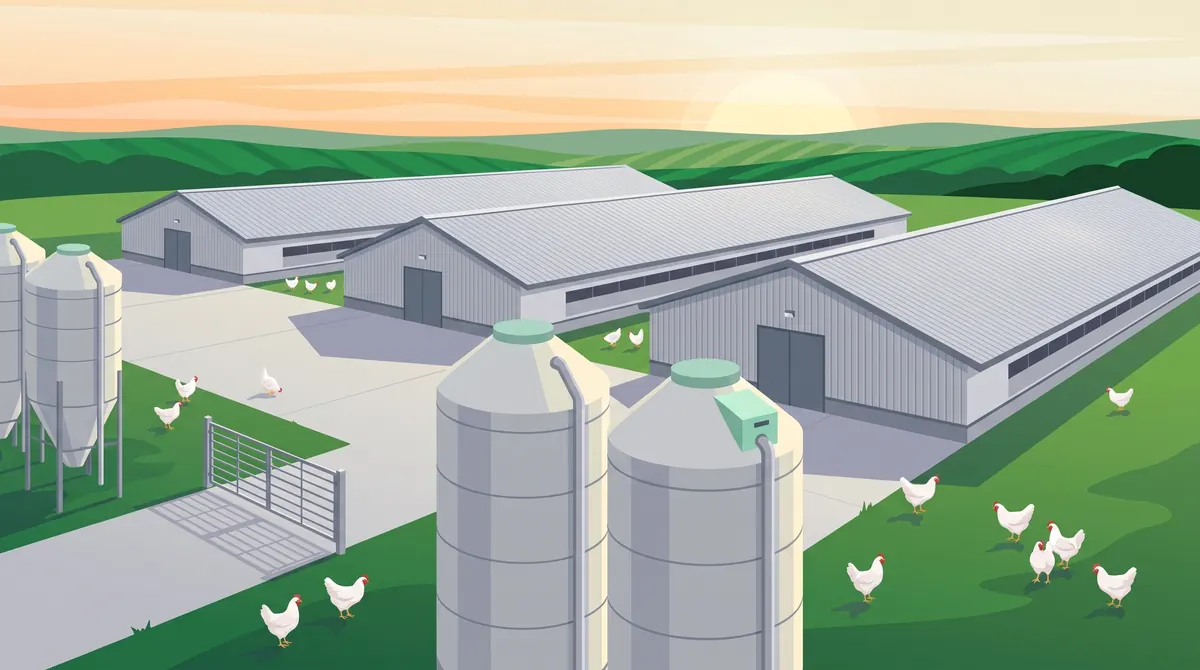
What does the animal protection act 2026 change for a poultry keeper? We cannot point to specific changes. We have no confirmed text of the act or its publication reference, and giving deadlines or figures without them would be guesswork. You can check it yourself in a few steps: find the current text as of 22.11.2026, look up the implementing regulations for poultry, and put in order the records an inspector looks at first. Here is how.
Two years in the name
Online and in the trade you will see both "animal protection act 2025" and "animal protection act 2026". The year in the name does not always tell you which version of the text applies. What counts is the publication reference, meaning the entry in Poland's Journal of Laws (Dziennik Ustaw), and the legal-state date. This article describes the position as of 22.11.2026. If an inspection refers to a different date, use the version of the act that applied on that day.
How to check the current text of the act
Official source
You can find the current text in ISAP, the Internet System of Legal Acts run by the Sejm (Poland's parliament). Type the title of the act into the search, then check its publication entry in the Journal of Laws and the date of the last amendment. Keep a printout from ISAP showing the download date in your farm documents. It is simple proof of which legal state you relied on. See also our list of acts and regulations for poultry keepers.
Implementing regulations
The act itself usually sets general principles, and implementing regulations give the details. For poultry, these often decide what you must actually meet. Check which regulations apply to your type of production and note their titles and dates. We describe the principle here; take the specific requirements from the text of the regulations. If in doubt, ask the county veterinary officer (powiatowy lekarz weterynarii).
What a poultry keeper should have documented
Care of the birds
The basis of any animal protection act is a duty to give animals proper care: water, feed, a suitable stocking density and good conditions in the house. Specific values for stocking density, ventilation or temperature are in the implementing regulations and in husbandry guides, not in general advice. A simple observation log, with mortality and notes from flock checks, shows that care was supervised. Poultry farm management software keeps these records in one place. For small flocks see also backyard poultry keeping.
Treatment and withdrawal periods
Every medicine given needs a record: the date, the product, the vet's order and the withdrawal period. The vet always chooses the medicine and dose, not the keeper working from a leaflet or a forum. The principle is simple: before the withdrawal period ends, you do not send birds or eggs to market. The withdrawal period is set by the vet's order or the product leaflet. The easiest way to keep treatment records is a treatment and withdrawal period register, where each entry has a date and the person who made it. More in our guide to treatment records, prescriptions and withdrawal periods.
Events and reports
Veterinary rules describe when you must report a suspected disease or higher mortality. We give no numerical thresholds here, because we have not confirmed them. Write down the date, the signs and the action you took. Agree with your vet in advance what to report and to whom. It is worth putting these procedures in your biosecurity plan, because inspectors ask about them as often as about treatment records. For dead birds, see dead animals: reporting, collection and the commercial document.
Getting your farm ready for an inspection
Visits to the farm
Vets, feed suppliers, catching crews and inspectors all come onto the farm. Note every visit: who, when, why, and whether biosecurity rules were followed. A paper book easily gets gaps, so a digital record is more convenient. The QR entry and exit book records visits in one place, and you can show a printout during an inspection.
House records
At an inspection the first questions are about flock history: where the birds came from, when the batch was placed and what the stocking density was. House records keep this data with each batch, so you do not search through several notebooks. Dated entries should match the hatchery documents and the treatment records. Our checklist of documents for a veterinary inspection shows what to prepare.
Who supervises
Animal health protection is supervised by the Chief Veterinary Inspectorate (Główny Inspektorat Weterynarii) together with county-level bodies. Agricultural policy is handled by the Ministry of Agriculture and Rural Development, and ARiMR (Agency for Restructuring and Modernisation of Agriculture) handles applications and payments. The best way to get an interpretation of a rule for your farm is in writing from the competent inspectorate, not from assumptions.
The act and individual species
Chickens and broilers
For broiler flocks, the act mostly means daily observation of the birds' condition and the conditions in the house. Litter, ventilation, and access to feed and water are areas every keeper checks daily, whatever the rules say. Record the results of these checks, because they are evidence for assessing welfare.
Ducks, geese and turkeys
Waterfowl and turkeys have their own requirements for runs, water and stocking density. Before you prepare your records, check the detailed rules for your species in husbandry guides and in the text of the implementing regulations.
Guinea fowl and quail
Smaller poultry species are also covered by the general animal protection rules. We describe house requirements for guinea fowl separately in house requirements for guinea fowl. Always compare figures from such guides with the implementing regulations and your vet's advice.
What to check on your farm this week
Step 1: the version of the act
Download the text of the act from ISAP and note the download date. Check that your list of implementing regulations for poultry is complete. Put the titles and dates of these acts in your farm documents, so you can show them straight away at an inspection.
Step 2: records
Go through the records of the last three months: treatment, visits, mortality and changes in stocking. Fill in missing entries with today's date and a note that it is a later addition. Do not change old entries, because corrections in documents are easy to spot at an inspection.
Step 3: talk to your vet
Arrange a records review with your vet. Ask which records are mandatory for your species and which are good practice. Write down the answer, or keep a dated note.
Frequently asked questions
Are the animal protection act 2025 and 2026 two different laws?add
The material behind this article does not say whether they are two separate acts or two labels for the same act. Check the title and publication reference in ISAP. What counts is the version of the text that applies on the day of the inspection.
Where can I find the current text of Poland's animal protection act?add
Most reliably in ISAP, the Internet System of Legal Acts, at isap.sejm.gov.pl, where you can see the consolidated text and the date of the last amendment. Note the download date of your printout. You can get an interpretation for your farm from the county veterinary officer.
Does a poultry keeper have to keep treatment records?add
It is worth always keeping treatment records, because inspectors check them first. The scope of the duty comes from veterinary rules, which we do not quote here without the text of the act. Record the date, the product, the vet's order and the withdrawal period.
Who chooses the medicine and dose for birds?add
The vet always chooses the medicine and dose. The keeper carries out the instruction and keeps the record. The withdrawal period is set by the vet's order or the product leaflet, and before it ends you do not send birds or eggs to market.
Do the rules apply to small backyard flocks?add
Animal protection rules apply to people who keep animals. Which duties fall on a small flock depends on the implementing regulations. Check them in the text of the acts or ask your vet.
Does DlaFerm change the rules?add
No. DlaFerm helps you keep records you can show at an inspection: treatment, visits to the farm and flock records. The rules are changed and interpreted by the competent authority, not by software.
Sources & resources
- linkInternet System of Legal Acts (ISAP) — isap.sejm.gov.pl
- linkChief Veterinary Inspectorate — gov.pl/web/wetgiw
- linkMinistry of Agriculture and Rural Development — gov.pl/web/rolnictwo
- linkARiMR — gov.pl/web/arimr
Prepared by: DlaFerm Team based on data from the sources listed · Publisher: INSTA-TECH sp. z o.o.
Want your farm records ready for inspection?
The treatment and withdrawal period module and the QR entry and exit book keep your records in one place. Create a free farm account and see how it looks with your own flock, or get in touch with us.
Phone
+48 796 258 151