On-farm slaughter of cattle in Poland: what is allowed from 2026 and what you must meet
An amendment to the regulation on the qualifications of people allowed to slaughter animals professionally, and on slaughter conditions and methods, takes effect on 15 July 2026. It allows cattle kept in an open system to be stunned with a firearm. Here is who can do it and how to prepare.
verifiedFrom the team that has organised work on poultry farms for years.
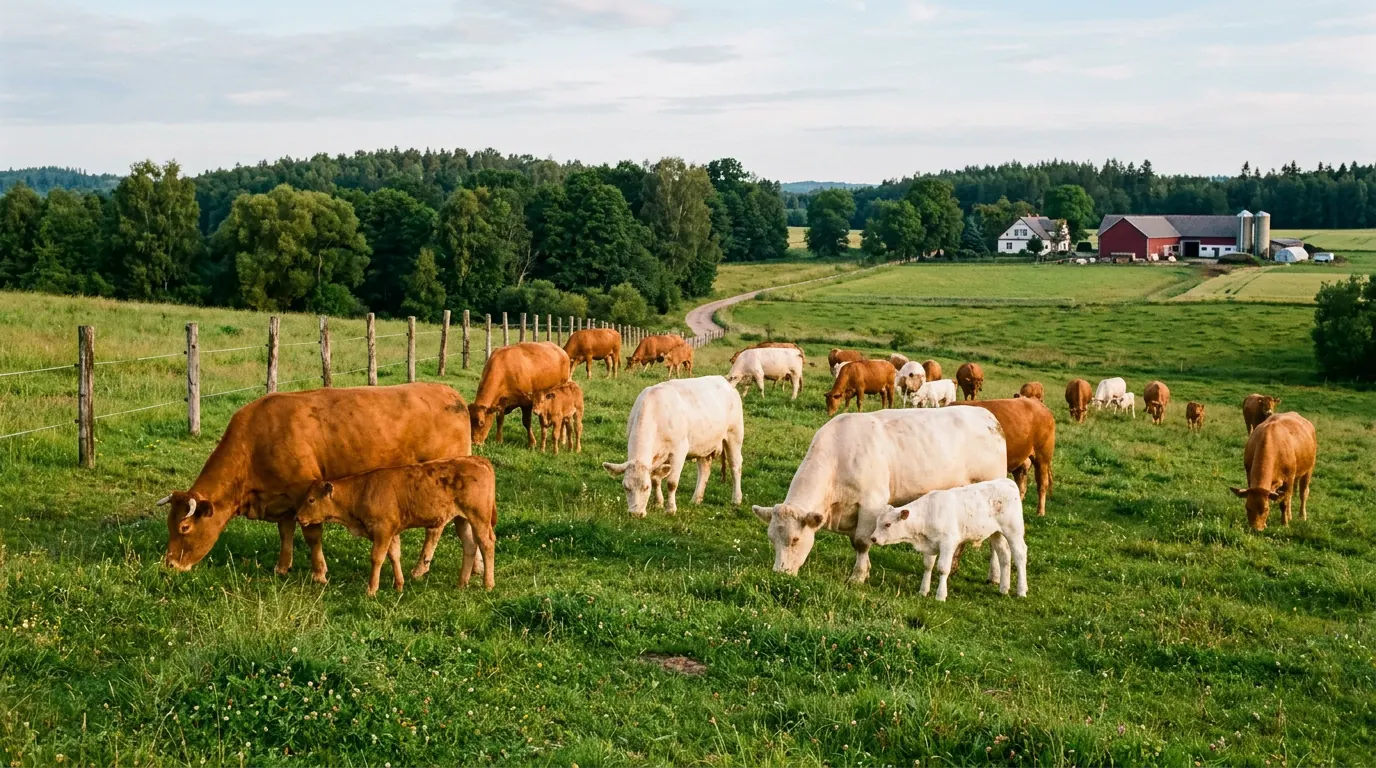
Legal status as of 23 November 2026. On-farm (pasture) slaughter means stunning and slaughtering cattle kept in an open system where the animal stands, without driving it into a transport vehicle. The amendment to the regulation on the qualifications of people allowed to slaughter animals professionally, and on the conditions and methods of slaughter and killing of animals, takes effect on 15 July 2026, after publication in Poland's Journal of Laws (Dziennik Ustaw). We give the rules below according to the 3 July 2026 announcement of MRiRW, Poland's Ministry of Agriculture and Rural Development. The regulation itself sets the detailed conditions.
Why on-farm slaughter was introduced
According to the Ministry, the change answers requests from livestock breeders' associations, farmer organizations and animal protection groups. Minister Krajewski said the new rules reduce animal stress linked to transport and make things safer for the people who handle the animals. This matters most for keepers of cattle on pasture, for example the breeds described in our articles on Galloway and Limousine.
Why grazing cattle are hard to take to the abattoir
Limited contact with people
The Ministry explains that cattle kept in an open system have limited contact with people and are not used to their presence, unlike animals kept indoors. This applies to the herds we cover in our guide to grazing cattle on pasture. Such an animal reacts to strangers and to a change of surroundings more strongly than a cow from a barn that you handle every day.
Stress during loading and transport
Moving these animals to the abattoir adds stress. It comes from driving them into the vehicle, loading, transport and unloading at the abattoir. According to the Ministry, this can raise the risk of injury to the animals. Driving them can also create situations that endanger the people handling them. Slaughter on the spot shortens this chain of events.
What the amendment changes
Certificate of competence for stunning
The amendment allows the district veterinary officer (powiatowy lekarz weterynarii) to issue a certificate of competence for stunning with a firearm. It covers deer kept in farm conditions and cattle kept in an open system. For a cattle keeper the second group matters. The district veterinary officer issues the certificate, so take your questions about the procedure and required documents to that office.
The Ministry's aim
The Ministry states that introducing on-farm slaughter will make it possible to keep proper welfare for animals being slaughtered and will keep safe the people who handle them. For handling of the carcass after stunning and the other conditions, check the text of the regulation published in the Journal of Laws and in ISAP, Poland's online legal database (Internetowy System Aktów Prawnych).
Who may stun cattle with a firearm
Hunting or firearm entitlements
The first condition is holding basic hunting entitlements or a firearm permit for stunning or slaughtering farm animals. A person with neither document does not meet the requirement. Before you organize training, check whether you, or the person you want to involve, hold one of these.
Theoretical training
The second condition is theoretical training in stunning animals with a firearm. The district veterinary officer organizes it. You will learn dates and sign-up rules at your district veterinary inspectorate (powiatowy inspektorat weterynarii). Confirm the length of the training there.
Supervised practical training
The third condition is practical training in stunning with a firearm, completed under the supervision of a person with at least three years of documented experience in it. Document the course of the training and keep the certificates, because you will need them for the certificate application. All three conditions must be met together.
How to prepare your farm for on-farm slaughter
Checklist
First, find out from your district veterinary inspectorate how the procedure works and which documents go with the certificate application. Then check whether the person who will stun the animals has hunting entitlements or a firearm permit. Next, sign up for the theoretical training and plan the practical part with an experienced person. You will find the full list of requirements in the text of the regulation in the Journal of Laws.
Herd plan and records
Slaughter is part of your sales plan, so put your herd data in order. Work out which animals reach slaughter weight; our article on cattle weight by chest girth can help. Also keep subsidy conditions in mind; we describe them in cattle subsidies 2026. If you treated animals, check the withdrawal periods before slaughter. A vet always chooses the medicine and dose.
What else to settle with your vet
Before the first slaughter, find out the requirements for the slaughter site, what happens to the carcass afterwards and which documents are needed. Ask the district veterinary officer and read the text of the regulation on the ISAP website. Only then plan the first slaughter on your farm.
On-farm slaughter and keeping cattle in an open system
Who it applies to
The amendment covers cattle kept in an open system, meaning cattle that spend their days on pasture or in a shelter. We describe such housing in our articles on cattle shelters and barns for beef cattle. Cattle kept in a closed system see people every day, so the amendment does not cover them.
Breeds and getting the herd used to people
The less a herd knows people, the greater the stress when you drive it, especially for beef breeds kept on pasture. You will find an overview in our comparison of beef cattle breeds. Also check herd health, including the parasites described in worms in cattle, because disease affects the slaughter date.
Frequently asked questions
What is on-farm slaughter of cattle?add
It is stunning and slaughtering cattle kept in an open system without driving them into a transport vehicle. The change reduces animal stress from loading and transport to the abattoir. It also makes things safer for the people who handle the animals.
When does on-farm slaughter start in Poland?add
The amending regulation takes effect on 15 July 2026, after publication in the Journal of Laws. We give the legal status as of 23 November 2026. Check the current text in ISAP, Poland's online legal database.
Who issues the certificate of competence for stunning with a firearm?add
The district veterinary officer issues it. It covers deer kept in farm conditions and cattle kept in an open system. Check how to apply at your district veterinary inspectorate.
What conditions must a person meet to stun cattle with a firearm?add
They need basic hunting entitlements or a firearm permit for stunning or slaughtering farm animals. They must also complete theoretical training organized by the district veterinary officer. The third condition is practical training under a person with at least three years of documented experience.
Does on-farm slaughter apply to all cattle?add
No, only to cattle kept in an open system. The Ministry bases this on the limited contact such animals have with people. Cattle kept indoors are used to people.
Where can I check the detailed requirements for on-farm slaughter?add
In the text of the regulation in the Journal of Laws and in ISAP. Send questions about the procedure to the district veterinary officer. The Ministry's announcement does not describe every organizational detail.
Sources & resources
- linkMinistry of Agriculture and Rural Development — On-farm slaughter finally possible
- linkChief Veterinary Inspectorate — gov.pl/web/wetgiw
- linkInternet System of Legal Acts — isap.sejm.gov.pl
- linkMinistry of Agriculture and Rural Development — gov.pl/web/rolnictwo
Prepared by: DlaFerm Team based on data from the sources listed · Publisher: INSTA-TECH sp. z o.o.
Keep treatment and withdrawal records in order before slaughter with DlaFerm
The Treatment and withdrawal module lets you record treatments and withdrawal dates in one place, so before slaughter you know which animals can be put forward. Create a free farm account in DlaFerm or get in touch. See the module: <a href="/ewidencja-leczenia-i-karencja-lekow">Treatment and withdrawal</a>.
Phone
+48 796 258 151