Fighting chicken breeds: asil, shamo, Malay and Sumatra
Fighting chickens are a group of old Asian breeds with an upright stance, a strong frame and short, hard feathering. We cover four of them: asil, shamo, Malay and Sumatra. We explain how they differ, how to keep them and what the law expects from a keeper in Poland.
verifiedFrom the team that has organised work on poultry farms for years.
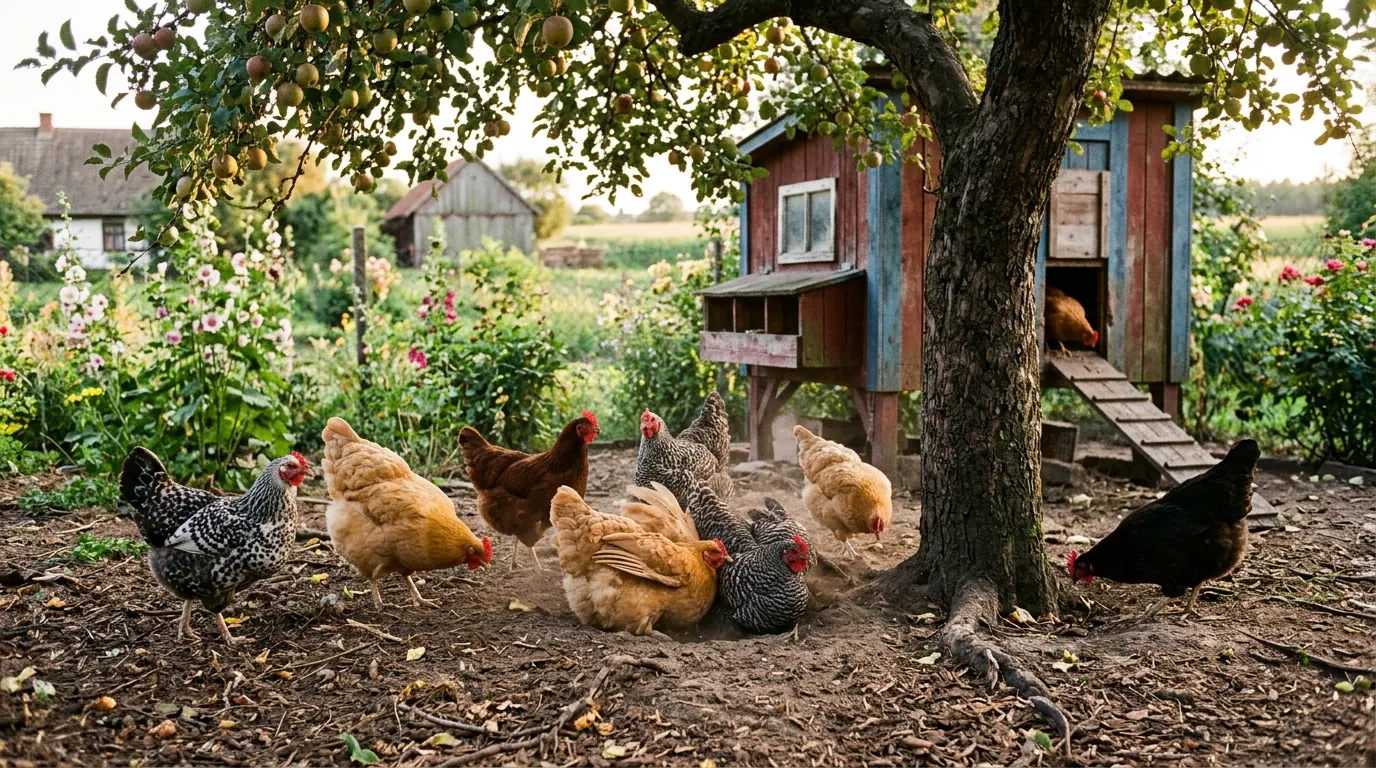
Fighting chickens are breeds developed in Asia for cockfighting. Today people keep them as ornamental and show birds, not for production. They share a tall, upright stance, strong legs, short, tight feathering and a short comb. The best known are the asil, shamo, Malay and Sumatra. If you want hens for eggs, laying hens are a better choice.
Where they come from
All domestic chickens descend from the red junglefowl, described in Kur bankiwa — ancestor of the domestic chicken. Fighting breeds were developed in India, Southeast Asia and Japan through many years of selection for strength, stamina and courage. That is why they kept a build close to wild birds: a lot of muscle, little fat and sparse feathering.
Can you keep them in Poland?
Keeping fighting breeds as ornamental birds is not banned in Poland. Organizing animal fights and abusing animals is banned. Look up the detailed rules in the Internet System of Legal Acts (ISAP) and on the website of the Chief Veterinary Inspectorate (Główny Inspektorat Weterynarii). We checked the legal state as of 23.11.2026, but if in doubt, ask your county veterinarian (powiatowy lekarz weterynarii).
The four main fighting breeds
Asil chicken
The asil (aseel) comes from India. It is a medium-sized, compact bird, heavy for its height, with strong bones and very short feathering. The head is small and the comb is pea-shaped or low. Asils are seen as hardy and resilient, but the cocks are aggressive toward other males. Hens lay few eggs, and the main appeal is the look and history of the breed. If you buy asils, plan separate pens for the cocks from the start.
Shamo chicken
The shamo is a Japanese breed, built on birds brought from Thailand and other countries of the region. It is one of the tallest and most powerfully built fighting chickens. It has a very upright stance, a long neck, a broad chest and bare, red skin on the throat. The feathering is sparse and hard. The shamo comes in a large and a miniature variety. Laying is low, and hens can be good broodies. The cock's temperament calls for experience and plenty of space.
Malay chicken
The Malay is one of the tallest chickens in the world. It comes from Southeast Asia and has a tall, upright shape with long legs and neck. The feathering is short and tight, and the skin is often deep red. Because of its height, the cock can reach food in places other chickens cannot, so feeders and perches should be set high enough. The breed tolerates cold and damp badly, so the coop must be dry and insulated.
Sumatra chicken
The Sumatra is a slim bird with a very long, drooping tail and dark, often black plumage with a green sheen. The comb is pea-shaped, and some birds have extra spurs on the legs. Sumatras are active, flighty and fly well, so the run needs netting over the top. The breed copes with a damp climate better than other fighting breeds, but it still needs a dry shelter at night.
Temperament and mixing with other birds
Keep cocks apart
Adult cocks of fighting breeds attack other males and can injure them badly. Give each cock its own pen with a fence or divider that the neighbor cannot reach over. Young cocks grow up together up to a certain age, but once they start crowing and raising their hackles, separate them. Hens are calmer and can be kept in small groups with one cock.
Sharing a run with other poultry
Fighting birds are stronger than most ornamental and laying breeds, so a shared run risks injuries to weaker hens. It is better not to mix them with small breeds such as Sebright bantams (sebrytki) or Liliputki. We describe the general rules of mixing species in Can you keep chickens, guinea fowl and quail together?.
Keeping fighting chickens
Coop and run
Short, tight feathering gives little protection against cold and damp. The coop should be dry, free of drafts and have thick litter. Set perches higher than for standard breeds, because the birds are tall and long-legged. The run must be well fenced, and roofed with netting for Sumatras. Plenty of space eases tension between birds, so do not restrict it more than you have to.
Feeding
Birds with a lot of muscle need a complete feed with enough protein, but they should not get fat. Adjust the amount after checking body condition: you should be able to feel the ribs and breastbone under your fingers. Constant access to water and grit is a must. Exact needs depend on age and season, so if in doubt, talk to a feed adviser or an agricultural advisory center.
Hatching and rearing
Hens of fighting breeds are usually good, caring broodies, but laying is low and seasonal. Chicks grow slowly, and cocks mature later than in production breeds. You will find the age at which typical flocks start laying in When do hens start laying eggs. In fighting breeds this moment can come later, and exact timing depends on the line and conditions.
Health and flock checks
What to watch for
Fighting birds are tough and often hide illness. Watch for a change in posture, loss of appetite and a change in comb color. You will find causes in Lethargic hen — causes and Blue comb in chickens. If symptoms persist, call a vet.
Treatment and withdrawal periods
The medicine and dose are always chosen by a vet. If eggs or meat from treated hens are eaten, the withdrawal period on the medicine label and in the vet's advice applies. During that time you must not eat or sell them. Record every treatment so you do not mix up dates.
Registration and biosecurity
Rules on poultry registration and biosecurity depend on the number of birds, how they are kept and current veterinary notices. Current requirements are published by the Chief Veterinary Inspectorate and your county veterinarian. During avian influenza outbreaks, orders to keep birds housed may apply, ornamental breeds included.
How to buy fighting chickens
Where to buy
Fighting breeds rarely reach ordinary shops. People buy birds from breeders in pedigree poultry associations or at shows. Ask about the line, the age and the behavior of the parents. We describe general buying rules, such as bird age and delivery, in Where to buy laying hens. Similar rules apply to ornamental breeds.
Prices
Prices depend on breed, variety, age, pedigree and whether the bird is a show bird. Chicks usually cost less than adult birds from a documented line. We give no amounts, because they differ between breeders and seasons. Check offers from several breeders and breed clubs, and ask directly about show-quality birds, as we describe in The most expensive ornamental chickens — breeds and prices.
Frequently asked questions
What are fighting chickens?add
They are a group of old Asian breeds once bred for cockfighting. They have an upright stance, strong legs and short, hard feathering. Today people keep them as ornamental and show birds.
Does a shamo hen lay many eggs?add
No, shamo laying is low and seasonal. The breed is valued for its look and history, not for egg production. If you want eggs, choose a laying breed or a hybrid.
What is an asil chicken like?add
The asil is an Indian breed with a compact, heavy build and very short feathering. It is hardy, but the cocks are aggressive toward other males. Keep each cock in a separate pen.
Can you keep fighting chickens with other chickens?add
Hens can be kept in small groups with one cock, but it is best to keep them apart from small and weaker breeds. Cocks should not have contact with other cocks. For the birds' safety, provide dividers and a large run.
Are fighting breeds sensitive to cold?add
Yes, the short feathering insulates poorly, especially in the Malay. The coop must be dry, draft-free and have thick litter. Damp harms these birds more than cold alone.
How do you treat sick fighting chickens?add
Leave diagnosis and treatment to a vet, who will choose the medicine and dose. After treatment, observe the withdrawal period for eggs and meat. Record every treatment.
Sources & resources
- linkInstytut Zootechniki PIB (National Research Institute of Animal Production) — izoo.krakow.pl
- linkChief Veterinary Inspectorate (Główny Inspektorat Weterynarii) — gov.pl/web/wetgiw
- linkInternet System of Legal Acts — isap.sejm.gov.pl
- linkEFSA — efsa.europa.eu
Prepared by: DlaFerm Team based on data from the sources listed · Publisher: INSTA-TECH sp. z o.o.
Keeping several breeds in separate pens?
The <a href="/program-do-ewidencji-kurnika">Coop records</a> module in DlaFerm lets you log each group of birds separately: numbers, treatments and events. Create a free farm account or get in touch, and we will show you how it works in practice.
Phone
+48 796 258 151