Most expensive ornamental chickens: breeds and prices
The most expensive ornamental chickens are rare breeds with an unusual look, such as Japanese birds with very long tail feathers, and show birds with a documented pedigree. Price depends on breed, origin, age and sex, not on one price list. We explain what raises a bird's value and how to check where it comes from before you buy.
verifiedFrom the team that has organised work on poultry farms for years.
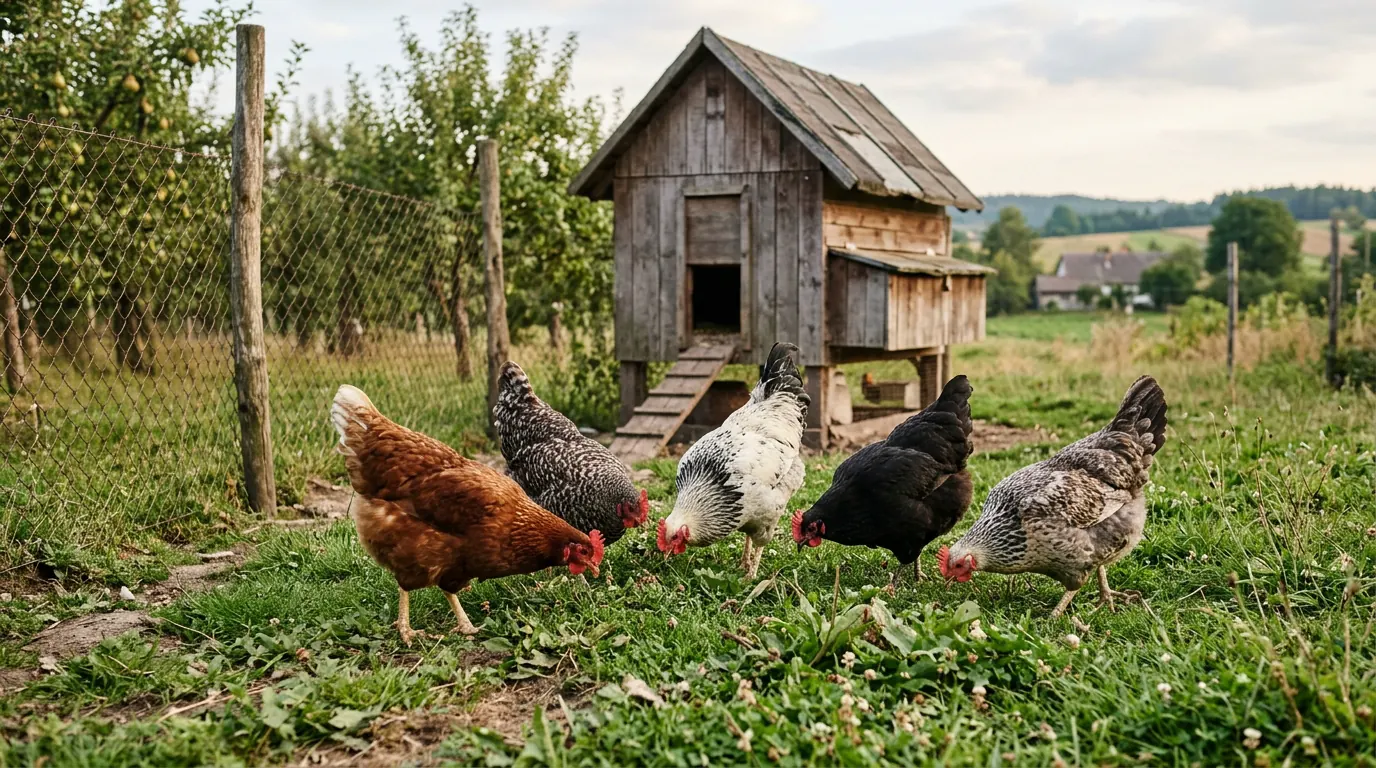
The most expensive ornamental chickens are rare breeds kept in small numbers, with an unusual look: very long tail feathers, unusual plumage or a miniature build. There is no single price list. Price depends mainly on the breed and how rare it is, on the bird's origin and papers, on age and sex, and on whether the bird is suited to shows. For a breed overview, see our description of popular ornamental chicken breeds and the overview of ornamental chicken breeds.
Why some breeds cost much more
Rarity of the breed in Poland and in Europe is the main reason for high prices. Few breeders means few birds on the market, and demand from shows and further breeding grows faster than supply. The second factor is breeding demands: breeds with long plumage that needs care, or with a complex standard, take more work and time. A bird with a chance of a high score at a show costs more than a bird of the same breed without those traits, because the breeder puts more work into it and spends longer selecting the line.
Breeds most often named as the most expensive
Onagadori
Onagadori is a Japanese breed known for very long tail feathers, which on well-kept cocks can reach an impressive length. Because of the care they need and the long time the feathers take to grow, only a narrow circle of enthusiasts keeps these birds. For a beginner this means a harder start: getting birds with good origin takes time, and the tail feathers must be protected from damage in the coop and on the run.
Yokohama
Yokohama is another Japanese breed with a long tail and a light, delicate build. Its look combines elegance with unusual proportions, so it is often shown at ornamental poultry shows. The breed is rarer than popular ornamental chickens, so when you buy, what matters most is the bird's origin and whether the breeder has a documented line. We cover the rules of keeping ornamental poultry in our article on breeding rare breeds.
Sebright and Serama
We describe Sebrights separately in our article on ornamental Sebright chickens. The Serama is a miniature breed from Malaysia, with a very small body and a proud stance. Both breeds go into show breeding, and their price depends on the standard, the origin and whether the bird is healthy and well built. With miniature breeds, expect lower laying and more demanding care in winter.
What decides the price of an ornamental chicken
Origin and pedigree
A bird with a documented pedigree from a proven line costs more than a bird without papers. A pedigree shows who the bird comes from and what traits its parents pass on. When you buy, ask for the breeder's details, information on the flock's health and whether the flock is under a veterinarian's supervision. A reliable breeder has no problem answering these questions.
Age and sex
Young birds are cheaper, but their show value only appears once they have grown and finished feathering. An adult bird with a good standard usually costs more. Cocks and hens of the same breed can have different prices, because in many ornamental breeds sex affects looks and show value. Before you buy, agree with the breeder whether the bird is a chick, a young bird or an adult.
Show standard versus utility
A show bird must match the exact breed standard: comb shape, plumage color, stance and body proportions. A utility bird mainly has to be healthy and breed well. The highest prices usually go to show birds, but for hobby keeping a good-quality bird that keeps the breed's character is often enough. The choice depends on whether you are buying for shows or for your own flock.
Colored-egg breeds: do they affect the price
Green and blue shells
Hens that lay green and blue eggs form a separate group, which we describe in our article on hens that lay green and blue eggs. Shell color comes from genetics and is a breed trait. Such a hen can cost more than an ordinary layer, because her origin is harder to confirm, but egg color alone does not replace a show standard and does not settle the bird's price.
Green shell and dark shell
The terms green shell and dark shell describe greenish and dark brown shells. Keepers often ask about them when buying, because they want birds that lay eggs of a certain color. In such a purchase, check that the seller can name the line and explain where the shell color comes from. You will find details in our description of green shell and dark shell breeds.
What expensive ornamental breeds need
Coop and run
Breeds with long tail feathers need dry litter, a high perch and a secured entrance, because the feathers break and get dirty easily. Miniature breeds cope worse with cold and drafts, so the coop should be dry and well sheltered from wind. Keep show birds apart from your utility flock to reduce the risk of spreading disease and damaging plumage.
Health and treatment
A veterinarian always chooses the treatment; we give only principles. When you buy, and afterward, examine and quarantine new birds. Every medicine given must have its withdrawal period recorded before the bird or its eggs go any further. Keep treatment and withdrawal records in the treatment and withdrawal module so you do not mix up dates.
Bird records
An expensive breed is often a small group of birds with different origins and different value. In your coop records, note the breed, purchase date, pedigree and changes in groups. The papers are then at hand when you sell, and each bird's history does not depend on memory.
How to check price and origin before you buy
Where to look for birds
The surest sources are breed clubs, ornamental poultry shows and proven breeders who have kept a line for years. Online ads can be useful but need checking: ask for photos of the parents, documents and a chance to see the flock. It is best to agree the price directly with the breeder, because prices of ornamental birds change and there is no single public price list.
Rules and health when transporting birds
Moving poultry falls under animal health rules, supervised by Poland's Chief Veterinary Inspectorate (Główny Inspektorat Weterynarii). Before you buy and transport, check the current requirements in ISAP, Poland's online legal acts database (Internetowy System Aktów Prawnych), and with the county veterinarian (powiatowy lekarz weterynarii). Do not rely on verbal assurances. Required documents should be in writing and entered in your records.
What to watch for at a high price
A high price guarantees neither health nor a win at a show. An expensive bird can be weaker than a cheap one if it comes from a random line. Judge a bird by its health, origin and standard, not by price alone. Data on farm animal genetic resources is worth checking at the Institute of Animal Science (Instytut Zootechniki PIB), which works on breeds and their protection.
Frequently asked questions
Which ornamental chicken is the most expensive?add
There is no single answer, because prices change and depend on the bird's origin. The highest-priced are usually rare Japanese breeds with very long tail feathers and show birds with a documented pedigree. Agree the current price directly with the breeder.
Does the price of an ornamental chicken depend on sex?add
Yes. In many breeds cocks and hens differ in looks and demand, so they can have different prices. Price also depends on whether the bird is a chick, a young bird or an adult.
Are hens that lay green eggs more expensive?add
Shell color is a breed trait and can affect the price, but it does not replace a show standard. Before you buy, check the origin and whether the seller can explain the genetics of the egg color.
Where can I buy an expensive ornamental chicken?add
Most reliably from breeders in breed clubs, at ornamental poultry shows, or from proven breeders who can describe their birds' origin. With ads, check the photos, documents and flock.
Do expensive breeds need different care?add
Yes. Breeds with long tail feathers need dry litter and a secured coop, and miniature breeds are sensitive to cold and drafts. Keep them apart from your utility flock and record events in your records.
Who decides the treatment for ornamental birds?add
A veterinarian always chooses the medicine and dose. After each treatment, record the date given and the withdrawal period, so you do not sell eggs or birds before it ends.
Sources & resources
- linkChief Veterinary Inspectorate (Główny Inspektorat Weterynarii) — gov.pl/web/wetgiw
- linkInternet System of Legal Acts (ISAP) — isap.sejm.gov.pl
- linkMinistry of Agriculture and Rural Development — gov.pl/web/rolnictwo
- linkInstitute of Animal Science (Instytut Zootechniki PIB) — izoo.krakow.pl
Prepared by: DlaFerm Team based on data from the sources listed · Publisher: INSTA-TECH sp. z o.o.
Keeping an ornamental flock next to a utility one?
The <a href="/program-do-ewidencji-kurnika">coop records</a> module lets you keep different breeds and bird groups in one place. Create a free farm account at DlaFerm.pl and start by entering your birds.
Phone
+48 796 258 151