Bantam Chickens: Ornamental Breeds, Care and Egg Laying
Bantam chickens (liliputki in Polish) are a group of small ornamental breeds kept mainly for looks and character, not for egg production. Egg laying is usually low, and the birds need a coop and feed sized to them. Here is what to expect before you buy and in daily keeping.
verifiedFrom the team that has organised work on poultry farms for years.
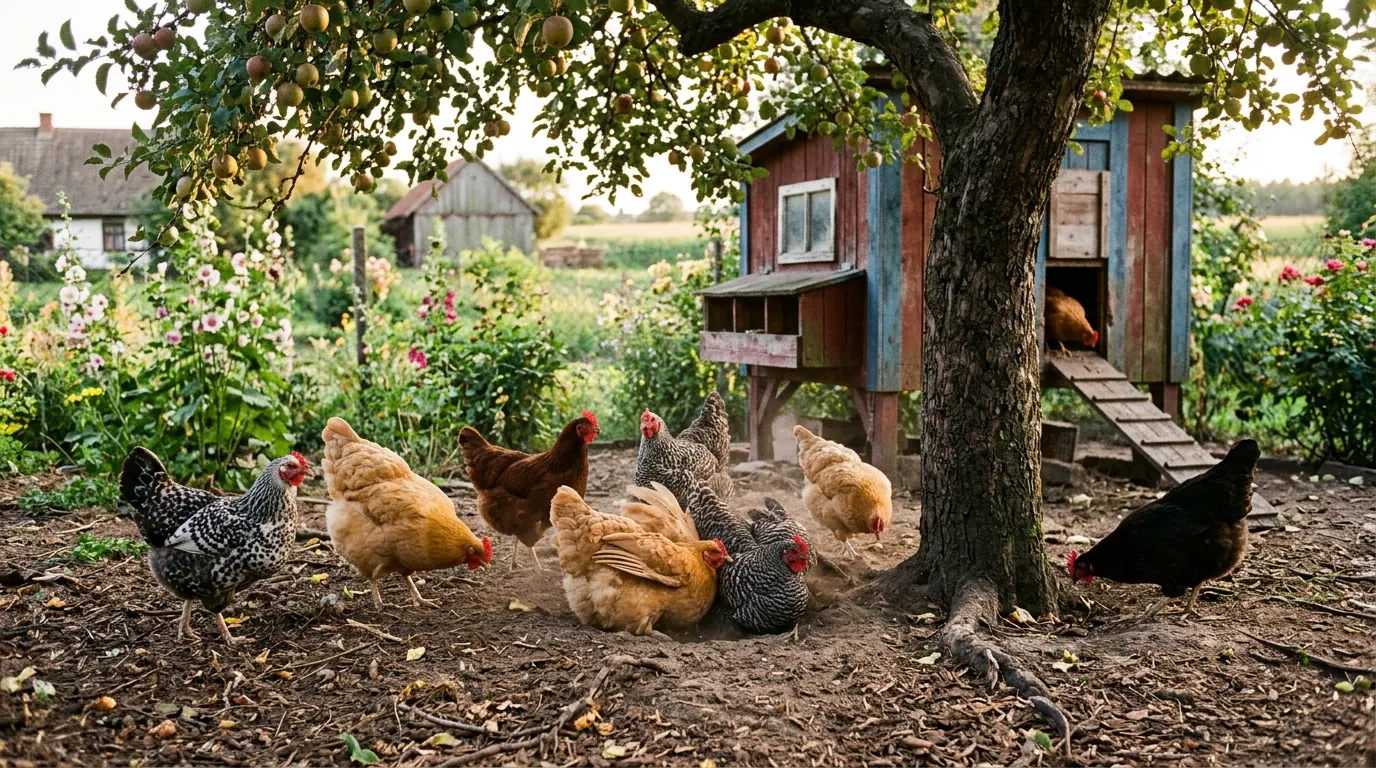
Bantam chickens are small ornamental breeds. We keep them for their looks, company and shows, not for meat or a large number of eggs. The birds are clearly smaller than production hens, take up little space and usually lay few eggs. Learn the breed type before you buy, because small birds from different lines differ in build and temperament. For a general overview, see our overview of ornamental chicken breeds.
How bantams differ from production hens
The main difference is weight and size. A bantam needs less room at the feeder, on the perch and in the run, but its diet and warmth needs differ from those of laying birds from large lines. Ornamental birds are also more sensitive to drafts and damp, because they have less body mass to keep warm. When you buy, ask where the birds come from and how the seller keeps their records. We describe breeds of a similar type in our article on popular ornamental chickens.
What bantams look like
Body build
Bantams have a compact body, a high-carried tail and proportionally shorter legs than production hens. When you judge a bird, look at symmetry, clear eyes, a healthy comb and even plumage. Many small breeds look alike, so use the breed standard description when you buy, not just a photo. The small Sebright has its own standard, described in a separate article on sebrytki.
Plumage and colors
Colors and feather patterns vary by breeding line. Some breeders keep birds for showing, others choose calm birds that are easy to handle. There is no single color standard for all bantams, so decide first whether you want show birds or pet birds. Be aware that some colors need careful pairing of birds to stay true to the standard.
Temperament and behavior
Disposition
Bantams are usually active, curious about their surroundings and fairly calm. They tolerate people well if they are handled from a young age. They can be skittish around loud noises, sudden movements and unfamiliar dogs or cats. With good access to a run and shelter, it is easier to keep them in good mental condition.
Mixing with larger birds
In a shared run with large hens, bantams easily lose the competition for the feeder and drinker. Stronger birds may chase or peck them, especially during molting and when space is tight. It is safer to keep them in a separate pen or with birds of similar size. Introduce changes to the flock gradually and watch the birds' behavior for a few days.
Bantam egg laying
How many eggs to expect
Bantam egg laying is clearly lower than in laying breeds and depends on the line, age, season and housing. The eggs are usually small, and the birds often stop laying in winter and during molt. Do not plan egg production on data from production breeds. For a comparison with layers, see our article on laying hens.
How to keep an egg laying record
Even with few birds, it pays to note egg laying every day. Professional breeding manuals, for example the Ross Parent Stock Management Handbook 2023, recommend recording eggs per day, per week and cumulatively per bird. Such a record shows drops in laying sooner than just looking at the nest boxes. In the coop records module you can store the breed, group size and daily laying in one place.
Coop, run and feeding
Coop and perches
A bantam coop should be dry, free of drafts and fitted with low perches, so the birds can hop up and down safely. The floor must be clean and dry, and the litter changed regularly. Size the house to the number of birds, following the guidance of poultry institutes such as Poland's Institute of Animal Science (Instytut Zootechniki PIB). A well-planned coop limits injuries and skin diseases.
Feeding
Bantams do not need a full ration of layer feed, because their needs are smaller. Feed that is too rich or too plentiful leads to obesity, which cuts laying and makes movement harder. Choose feed by age and purpose of keeping, and if in doubt, check the diet with a vet. We describe how to balance rations for laying birds in our article on feeding laying hens.
Health, rules and registration
Prevention and treatment
The best protection is quarantine for new birds, clean equipment and limited contact with birds from outside the farm. If a bird shows signs of disease, isolate it and call a vet. The vet chooses the medicine and dose. After treatment, respect the withdrawal period, and record the treatment in the treatment and withdrawal module.
Formal duties
A flock of ornamental birds is also subject to Poland's rules on reporting poultry. Check current requirements in ISAP (Internetowy System Aktów Prawnych, Poland's online legal database) and get practical guidance from the Chief Veterinary Inspectorate (Główny Inspektorat Weterynarii). Confirm the legal state as of 22.11.2026 before you report, because rules change. Keep entries in the farm entry and exit log in line with biosecurity rules.
Frequently asked questions
Are bantam chickens good egg layers?add
No, bantams are not a laying breed. They lay few eggs, usually small ones, and laying depends on the line and the season. If you want eggs for your own use, choose a laying breed.
How many eggs does a bantam hen lay?add
The exact number depends on the breeding line, the bird's age and housing. Laying is clearly lower than in laying hens. Keep a daily record of eggs to learn the real result of your own birds.
Can bantams be kept with large chickens?add
They can, but larger birds may chase bantams away from the feeder and drinker. It is safer to keep them separately or with a group of similar size. Introduce changes to the flock gradually.
How do you keep bantams in a coop?add
The coop should be dry and free of drafts, with low perches and clean litter. Size the house to the number of birds. Ventilate well, without drafts blowing over the birds.
What do you feed bantam chickens?add
Choose the ration and type of feed by age and purpose of keeping, because these birds need less than laying hens. Too much feed leads to obesity. If in doubt, check the diet with a vet.
Do you have to report a flock of ornamental chickens in Poland?add
Yes, ornamental poultry is also subject to the reporting rules. Check current requirements in ISAP and on the Chief Veterinary Inspectorate's pages. Confirm the legal state as of 22.11.2026 before reporting.
Sources & resources
- linkChief Veterinary Inspectorate (Główny Inspektorat Weterynarii) — gov.pl/web/wetgiw
- linkInstitute of Animal Science PIB (Instytut Zootechniki PIB) — izoo.krakow.pl
- linkInternetowy System Aktów Prawnych (Poland's online legal database) — isap.sejm.gov.pl
- linkRoss Parent Stock Management Handbook 2023 (Interactive)
Prepared by: DlaFerm Team based on data from the sources listed · Publisher: INSTA-TECH sp. z o.o.
Keeping ornamental chickens next to a laying flock?
The <a href="/program-do-ewidencji-kurnika">coop records module</a> in DlaFerm.pl lets you store breed, group size and daily egg laying in one place. Create a free farm account and see how it works in practice.
Phone
+48 796 258 151