Ticks on Cattle: Tick-Borne Diseases and Protection
Ticks feed on grazing cattle from spring to autumn and spread diseases that cut weight gain and milk yield. We describe which diseases they carry, how to recognize them and how to keep ticks down in your herd. Treatment and products are always chosen by a vet.
verifiedFrom the team that has organised work on poultry farms for years.
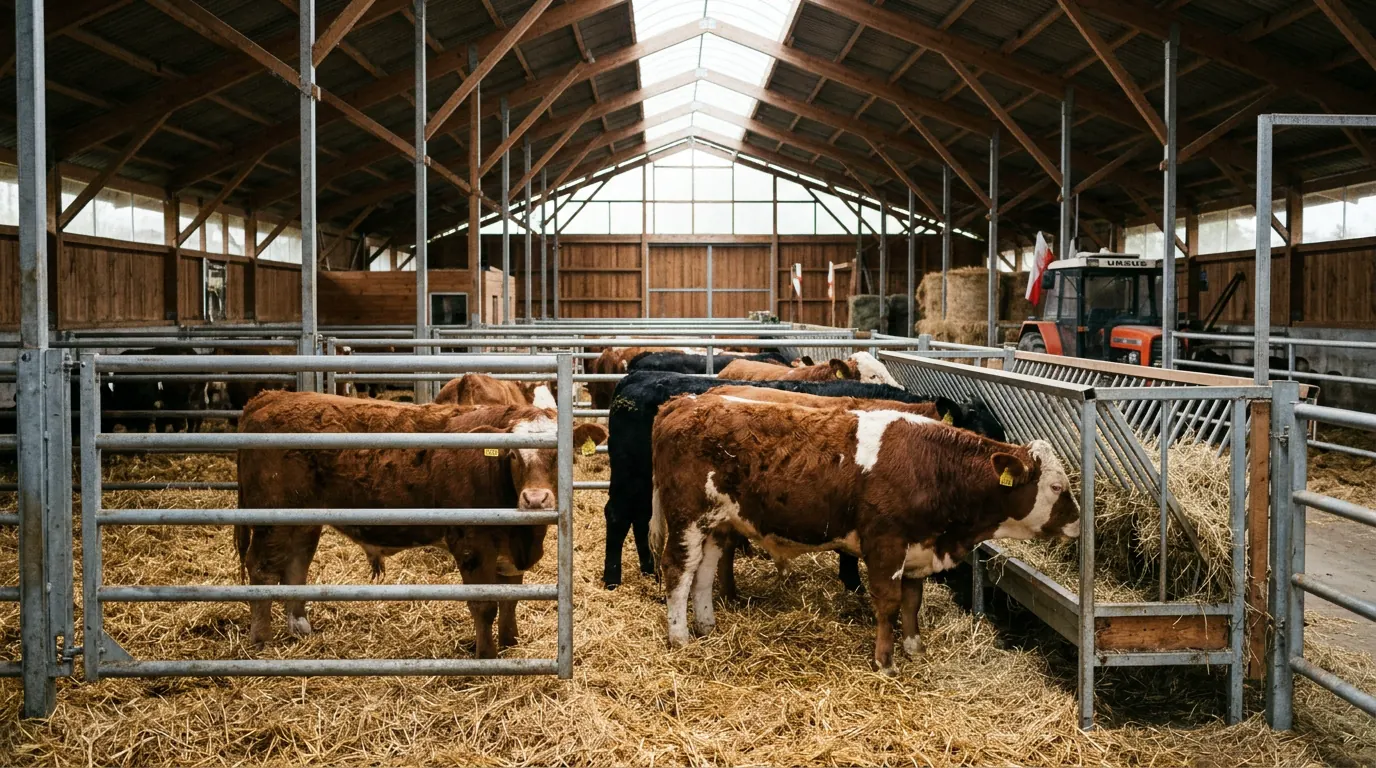
Ticks are arachnids that attach to an animal's skin, drink blood and pass on germs while doing so. They usually settle where the skin is thin: on the udder, under the tail, in the groin, behind the ears and on the neck. Cattle on pasture pick them up from tall grass, bushes and forest edges. Feeding alone weakens the animal, and tick-borne diseases can lead to fever, anemia and lower weight gain. If you suspect disease, call a vet, because the signs can look like other conditions listed in our table of cattle diseases.
When ticks are dangerous for the herd
Risk goes up when the herd goes out on pasture in warm weather with wet, tall vegetation. The greatest danger is for animals that have not met the area before: purchased heifers and calves turned out on grass for the first time. Animals born and raised on tick pasture often show some resistance, while newly bought ones get sicker. When you buy, ask where the animal was kept and whether it has been ill before.
Where ticks in the herd come from and when they attack
Places and season
Ticks wait on vegetation and climb onto animals that brush against it. Most are found on pastures next to forests, tree belts, scrub and wet meadows, and fewer on regularly mown, open ground. They are active mainly in the warm months, usually from spring to autumn, and the season gets longer in mild winters. Plan your cattle grazing so that the most overgrown paddocks are used with closer checks on the animals.
Which animals are most at risk
Most at risk are animals brought in from another region, young animals and weakened ones. Suckler cows and calves that stay long on pasture are in constant contact with vegetation. Your vet can tell you whether ticks are a serious problem in your region and which diseases occur locally.
Diseases spread by ticks
Babesiosis and anaplasmosis
Among the most often described tick-borne diseases of cattle are babesiosis (piroplasmosis) and anaplasmosis. Babesiosis destroys red blood cells, which causes fever, dullness and anemia, and often dark, reddish urine. Anaplasmosis usually starts with fever, loss of appetite and lower milk yield. A vet confirms both after an examination and blood tests. Do not start treatment on your own: the vet chooses the medicine, dose and length of the course.
Lumpy skin disease: ticks as one of the vectors
According to a leaflet from PODR Szepietowo (a regional agricultural advisory center in Poland), the lumpy skin disease (LSD) virus spreads mainly through blood-feeding insects: mosquitoes, biting midges and ticks. The incubation period can be from 1 to 5 weeks. Signs are high fever (above 40°C), nodules and swelling of the skin on the head, neck and udder, lower milk yield, loss of appetite, watery eyes and abortions in pregnant cows. If you see these signs, contact the District Veterinary Officer (Powiatowy Lekarz Weterynarii) at once, do not move animals and do not bring new ones into the herd.
Lyme disease and other infections
Ticks can also carry other germs, including the bacteria that cause Lyme disease. In cattle the course is often unclear: lameness, poorer condition and lower weight gain. Diagnosis needs laboratory tests, and many infections show no signs at all. This is why overall prevention counts more than reacting to the first signs.
How to spot a problem and what to do
Check the skin and take temperatures
From time to time look over the animals' skin, especially where it is thin: udder, groin, around the tail and the neck. Whenever you suspect disease, take the animal's temperature. Fever, dullness, refusing feed, pale eye membranes and dark urine are reasons to call the vet. Separate sick animals from the herd and write down when the signs appeared. This helps the vet reach a diagnosis, and we also cover the basics of herd examination in the table of cattle diseases.
How to remove ticks from an animal
Remove a single tick with tweezers or a special tool, gripping it as close to the skin as possible and pulling firmly without crushing it. Watch the bite site over the following days. When there are many ticks, removing them by hand is not enough: you need a method to control them across the whole herd, chosen by your vet.
Protecting the herd from ticks
Pasture management
Mow the grass along pasture edges, fences and tree lines, because ticks are most numerous there. Limit grazing on overgrown, wet paddocks in the season when ticks are most active. Rotating paddocks with longer rests reduces the load on the animals. For stocking and fencing rules see our guide to grazing cattle on pasture. A dry, hard-standing area around the shelter and the drinker also helps, because animals spend less time in wet grass.
Tick products and withdrawal periods
There are tick products for use on the skin and other veterinary products on the market. Choose them together with your vet and always check the leaflet for the withdrawal period for milk and meat. The rule is simple: you do not send the animal or its milk for sale until the withdrawal period given for that product has passed. Record the product name, the date given and the end date of the withdrawal period for each animal, ideally in one place, for example in the treatment and withdrawal period module.
Buying animals and choosing breeds
Inspect new animals when they come off the truck and watch them separately for the first weeks. Some farmers choose breeds that cope well with pasture conditions, for example Galloway, but no breed is fully immune to ticks. Choosing a breed does not replace skin checks and prevention.
Records and working with your vet
What to record
Note the date you noticed ticks, the paddocks where animals picked them up, the numbers of animals with signs, temperature, the vet's diagnosis and the treatment given. After the season you can see which pastures cause the most trouble and when to start protection next year. We cover internal parasites separately in the text on worms in cattle, because both topics are often discussed during one vet visit.
When to call the vet right away
Call the vet for fever, skin nodules, dark urine, a sudden drop in milk yield, abortions and sudden deaths. If you suspect a notifiable disease such as LSD, inform the District Veterinary Officer and stop moving animals. Current notices are on the website of the Chief Veterinary Inspectorate (Główny Inspektorat Weterynarii).
Frequently asked questions
Are ticks dangerous for cattle?add
Yes. They can spread diseases such as babesiosis and anaplasmosis, which cause fever, anemia and lower output. Feeding by a large number of ticks also weakens the animal. Diagnosis and treatment are up to the vet.
What diseases do ticks spread in cattle?add
The ones named most often are babesiosis (piroplasmosis), anaplasmosis and Lyme disease. According to PODR Szepietowo, ticks are also one of the insects that can spread the lumpy skin disease virus, along with mosquitoes and biting midges.
How do you recognize a tick-borne disease in a cow?add
Typical signs are fever, dullness, loss of appetite, lower milk yield, pale membranes and dark urine. The signs are similar to other diseases, so you need an examination by a vet and often a blood test.
How do you protect cattle from ticks on pasture?add
Mow the edges and overgrown spots, limit grazing on scrub during the season, check the animals' skin regularly and use products recommended by your vet. Check the leaflet for the milk and meat withdrawal period.
What should you do if you suspect lumpy skin disease?add
Contact the District Veterinary Officer at once, do not move animals and do not bring new ones into the herd. Signs are high fever above 40°C, skin nodules and swelling, lower milk yield and watery eyes.
Sources & resources
- linkPODR Szepietowo (gov.pl) — Lumpy skin disease (LSD) in cattle — leaflet (Z. Marciniak)
- linkTeagasc — Teagasc Beef Manual — Section 7: Animal Health
- linkChief Veterinary Inspectorate (Główny Inspektorat Weterynarii) — gov.pl/web/wetgiw
Prepared by: DlaFerm Team based on data from the sources listed · Publisher: INSTA-TECH sp. z o.o.
Record tick treatments and withdrawal periods in one place
The Treatment and Withdrawal Period module in DlaFerm helps you track the dates products were given and when withdrawal ends. Create a free farm account or get in touch.
Phone
+48 796 258 151