Where to buy goslings, ducklings and guinea fowl keets: sources, prices and age
You will usually buy goslings, ducklings and keets from a hatchery or from a breeder who keeps their own parent flock. Your choice depends on whether you raise birds for meat, feathers or your own use, and on the age at which you collect them. Below we explain where to look, what to check at pickup and what drives the price.
verifiedFrom the team that has organised work on poultry farms for years.
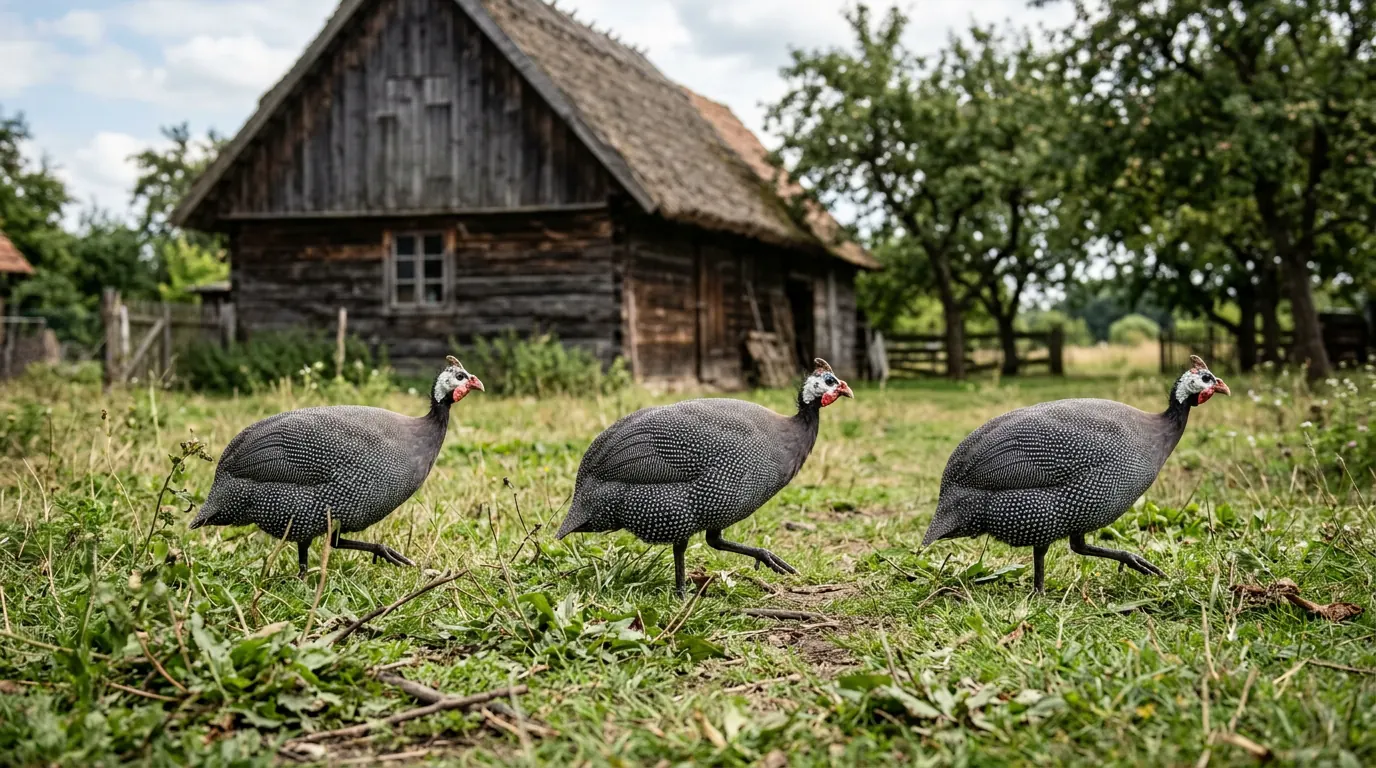
You will usually buy goslings, ducklings and keets from a poultry hatchery or directly from a breeder who keeps a parent flock. Before you pay a deposit, settle three things: where the hatching material comes from, what age you will collect the birds at, and whether you have space and equipment ready to receive them. Price depends on species, breed, number of birds, date and delivery distance. We give no amounts here, because they change every season. We describe the list of hatcheries and how to order in a separate guide.
Age at purchase
Most people buy day-old chicks, because then you know the breed and the rearing method from the start. Older birds, such as young geese or ducks after several weeks, cost more and are harder to judge, because their earlier conditions are often unknown. At pickup, check that the chicks are dry, clean, active and even in size. If you buy older birds, ask the breeder for a record of feeding and preventive care so far.
Hatchery or breeder: where to look for chicks
Hatchery
A hatchery usually has fixed hatch dates and a wider choice of species and breeds. You order ahead, and in spring the dates fill up fast. Ask where the eggs come from, about the parent flocks and how the chicks are transported. The hatchery should tell you how it prepares chicks for shipping and what it does if birds are lost on the way.
Breeder with their own flock
A breeder often sells smaller batches and lets you see the parent birds. Visit in person and look at the conditions in the house, the feather condition of adult birds and the order at the entrance. Ask about the biosecurity rules they use. If you are planning such rules yourself, our biosecurity plan generator can help.
Questions before you order
Before you pay, ask about breed and line, age of the birds, number of birds in the batch, pickup date and delivery method. Ask whether the breeder issues a document of origin and whether the chicks were vaccinated. A good seller answers directly and does not dodge questions about flock health.
What chicks cost and what drives the price
What drives the price
The price depends on species, breed, number of birds in the order, season, age of the birds and delivery cost. Birds from a documented parent flock usually cost more than birds without papers. Larger batches often have a lower unit price. When you compare offers, count the cost of the whole batch including transport, not just the price per bird. For a general overview of live poultry prices, see how much a hen, duck or goose costs.
Which species pays
Chick price is only one item. You also have to count feed, rearing time, water use and floor space. Geese grow more slowly than ducks and their rearing takes longer, which changes the economics. We compare the two species in duck vs goose: profitability.
Where to check current prices
Hatcheries publish current offers on their websites and in trade classifieds. Breeders often list prices in local ads. Also ask at the agricultural chamber or in a breeders' group in your region what rates apply this season. Compare offers for the same age of birds and the same set of documents.
Geese: breed, space and feeding from the first days
Breed and purpose
Choose a breed according to whether you want meat, feathers or birds for your own use. Breeds differ in growth rate, adult weight and behavior on the range. You will find the most popular breeds in our guide to goose breeds. Decide before buying which breed suits your goal, because changing halfway through rearing is costly.
Space for geese
Geese need a dry shelter with fresh air and a grassy run. Bedding must be clean and dry, because damp encourages disease. Before the chicks arrive, check that the house and run meet the requirements described in building requirements for geese.
Feeding from the first days
Goslings need starter feed with high protein and constant access to clean water. Set the water so that goslings cannot drown or soak their feathers. We describe feeding standards and ration tables in feeding geese and ducks. A vet or feeding adviser always sets the rations, according to the age and weight of the birds.
Ducks and guinea fowl: what to watch for when buying
Ducklings
Ducklings are usually lively and overheat or chill easily, so good ventilation matters during transport. At pickup, check that the bill and eyes are clean, and that the ducklings walk steadily and drink willingly. Ask the breeder about breed and purpose, because utility and ornamental ducks have different feeding needs.
Guinea fowl: sex and breed
It is hard to tell the sex of guinea fowl by looks in the first weeks. If you want a particular ratio of males to females, ask the hatchery whether sexing is possible. We explain how to tell them apart in male and female guinea fowl: how to tell the difference. Remember that guinea fowl need a different house than geese.
Feeding and purpose
Guinea fowl eat poultry feed, with greens and insects added if they have a run. For every species, decide the purpose before you buy, because it affects feed choice and the workload on the farm.
Receiving chicks: health, papers and the first weeks
Papers at purchase
When you buy, ask for documents showing where the chicks come from, the details of the hatchery or breeder, and information on vaccinations and testing of the parent flock. Also ask for the flock premises number and how the breeder reports birds in the system. Check the rules on trading poultry in Poland's Internet System of Legal Acts (ISAP) and on the website of the Chief Veterinary Inspectorate (Główny Inspektorat Weterynarii). Always verify the legal status on the day of purchase.
Salmonella and worms
Diseases such as salmonellosis and worm infections can pass from bird to bird and to later batches in the same house. Before pickup, ask the breeder for flock test results and whether preventive measures were used. A vet sets the right plan, and you should report symptoms at once.
Records from day one
From the first day, record the arrival of the batch, deaths and any medicines given. Records make inspections easier and help you work out withdrawal periods. A vet always chooses the medicine and dose, and in the software you can record advice and dates. You keep treatment and withdrawal records in the treatment and withdrawal module.
Frequently asked questions
Where can I buy goslings?add
You can buy goslings from a poultry hatchery or from a breeder who keeps a parent flock. A hatchery usually offers fixed dates and a wider choice of breeds. A breeder lets you see the conditions and the parents, but often sells smaller batches.
How much do goslings cost?add
The price depends on breed, number of birds, season, age of the birds and delivery cost. We give no amounts, because quotes change every week. Check current offers on hatchery websites and in breeders' ads.
Where can I buy guinea fowl keets?add
You can buy keets from poultry hatcheries and from ornamental and utility breeders. Before buying, decide whether you need a particular sex, because telling them apart in the first weeks is hard.
What age should I buy chicks at?add
Most people buy day-old chicks, because then you know the birds' history from the start. Older birds cost more and are harder to judge. At any age, ask about feeding so far and the health of the flock.
Where can I buy ducklings?add
You buy ducklings much like goslings, from hatcheries and breeders. Choose a source with documents of origin and check the condition of the chicks at pickup.
How do I check a chick is healthy at pickup?add
A healthy chick is active, dry, clean and walks steadily. Bill and eyes should be clean. Birds should drink and eat willingly. Report weak, listless or wet chicks to the breeder and a vet at once.
Sources & resources
- linkChief Veterinary Inspectorate (Główny Inspektorat Weterynarii): gov.pl/web/wetgiw
- linkARiMR (Agency for Restructuring and Modernisation of Agriculture): gov.pl/web/arimr
- linkNational Research Institute of Animal Production (Instytut Zootechniki PIB): izoo.krakow.pl
- linkInternet System of Legal Acts (ISAP): isap.sejm.gov.pl
Prepared by: DlaFerm Team based on data from the sources listed · Publisher: INSTA-TECH sp. z o.o.
Getting chicks from several hatcheries in one season?
The DlaFerm <a href="/program-do-zarzadzania-ferma-drobiu">farm management software</a> lets you record batch origin, bird age and dates in one place. Create a free farm account and see how it works in practice.
Phone
+48 796 258 151