Sheep Wool: What to Do With It, Who Buys It and What It Pays
For most flocks, wool is a low-value byproduct, and shearing can cost more than it earns. This guide explains how to sell wool, how to use it on the farm and what drives its price.
verifiedFrom the team that has organised work on poultry farms for years.
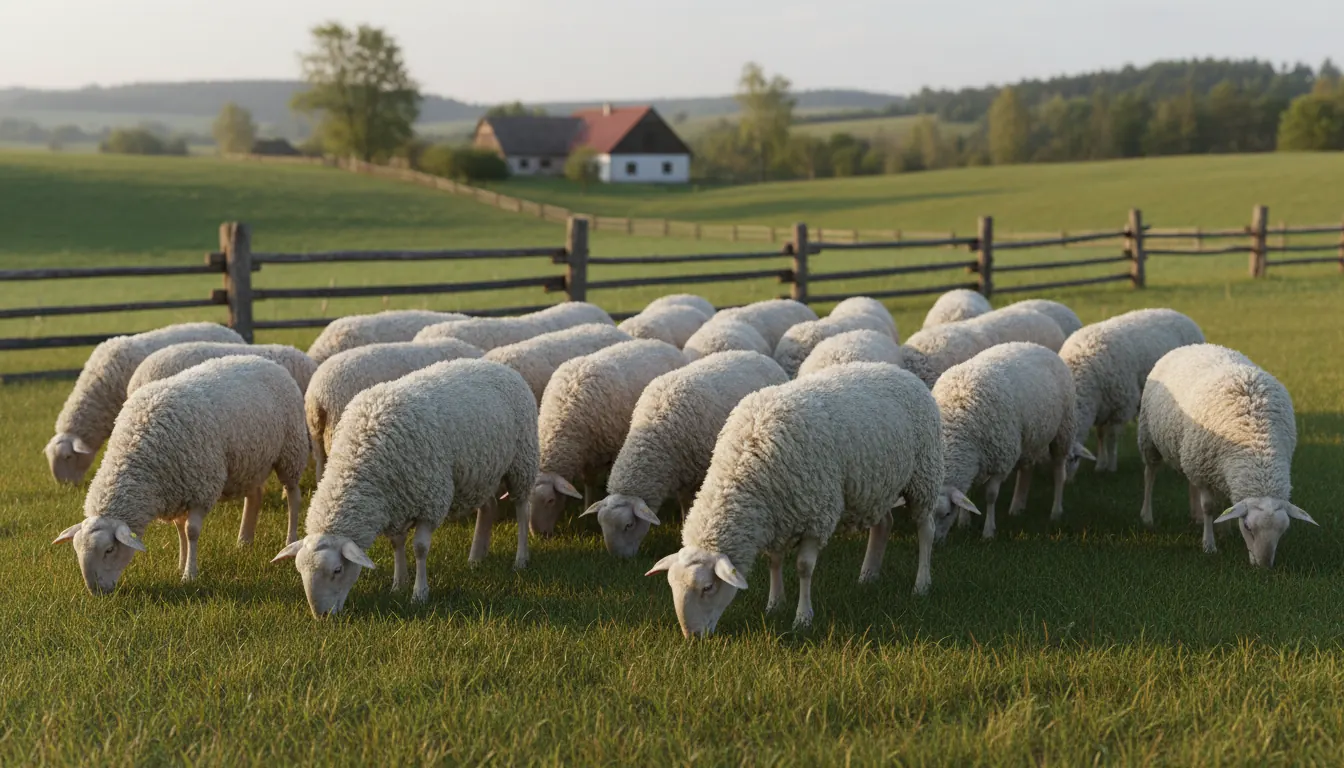
You can sell sheep wool to a buyer or processor, hand it to craftspeople, use it yourself (felt, insulation, bedding, mulch) or dispose of it under the rules for animal by-products. In Poland, wool is one of the worst-paid sheep products, so do not build your flock's budget on wool income.
The Institute of Animal Science, National Research Institute (IZ PIB), in its monograph on native sheep breeds, names "very low prices" for wool and skins as one barrier to the growth of sheep farming. The authors even suggest grant support for handling wool. So before you buy a flock or plan shearing, work out the cost of shearing and transport. We cover general husbandry in Sheep farming: where to start and whether it pays.
What to do with sheep wool after shearing
Selling to a buyer or processor
The simplest route is to give the wool to someone who buys it: a processor, a textile plant or a middleman. Buyers usually want wool that is dry, clean and sorted, with no straw, dung or other contamination. Wet or moldy wool loses value or is not accepted at all. Before you start shearing, ask the buyer about their requirements: packing, minimum lot size and pickup date. That way you avoid bags sitting in the shed with nobody coming for them.
Own use and crafts
Wool goes into felt, rugs, duvets, pillows and horticultural fleece. IZ PIB notes that wool from the Świniarka breed suits processing into rugs and felt. Some keepers sell fleeces directly to hand crafters, who pay more for clean, soft wool but buy small amounts. Wool also works as mulch under shrubs and in the vegetable garden. In larger flocks, selling small lots will not solve the problem of disposing of the whole clip.
Wool as animal waste
If you have no buyer, you must dispose of the wool under the rules on animal by-products. Do not burn it in the open or dump it in the woods. Your county veterinary officer (powiatowy lekarz weterynarii) can explain the details, including paperwork and permitted methods. General information is on the website of the Chief Veterinary Inspectorate (Główny Inspektorat Weterynarii). Wool from a sick or dead animal is a separate matter and falls under different rules than fleece from a healthy flock.
Wool buyers: how to find one
Where to look for a buyer
Wool buying is scattered and seasonal. Ask your sheep breeders' association or producer group, your agricultural advisory center and neighboring keepers: they know who in your area really takes wool. Also ask textile plants and firms that make insulation and nonwovens. Many online adverts are out of date, so confirm the terms by phone before you load up. Ask whether the buyer collects the wool or whether you must deliver it.
How to prepare wool for sale
Separate the wool from the back and sides from the dirty wool from the belly, legs and tail area. Shear dry sheep on a clean surface. Pack rolled fleeces in breathable bags and store them in a dry room, away from damp and rodents. If the buyer asks, do not mix wool from different breeds: fine and coarse wool have different uses. Clean housing matters here, so see our guide to the sheep shed: space, bedding and ventilation.
Contract and paperwork
For larger lots, agree in writing with the buyer the price or how it will be set, the pickup date and the rules for rejecting goods. Keep proof of sale. If you run an agricultural business, wool sales go into your accounts in the same way as livestock sales. Check the tax rules with your accountant or farm advisor, because they depend on how your farm is set up.
Sheep wool price: what drives it
Why we give no figures
Wool prices change with the season, demand and quality, and in many places there is no single market price. That is why we give no price per kilogram. According to IZ PIB, wool is among the sheep products with very low prices. You will learn current rates only from buyers: collect offers from several sources, ask about pickup terms and compare what is really left after shearing and transport costs.
What raises or lowers the price
Color, fiber thickness, fleece length and cleanliness all affect the price. White wool is usually easier to sell than colored wool. Matted wool, wool full of hay and unsorted wool fetch the least. The yield of clean fiber, known as rendement, also matters. For the Świniarka, IZ PIB gives a rendement of about 70–80%, and the wool is fairly long, with a staple length of 18 cm. Differences between breeds are large, so a buyer will first ask which sheep you shear.
How much wool sheep give
Fleece yield depends on breed and sex. For the Świniarka, IZ PIB gives an annual greasy wool yield from 2 kg in ewes to 3 kg in rams. This breed needs shearing twice a year because its wool tends to felt on the sides and belly. For other breeds, check the breed standard with your breeders' association, as yields can be quite different. Multiply the number of sheep by the fleece yield and by the price in an offer, and you get the real income from your flock.
Shearing and sheep health: effects on wool quality
When and how to shear
Timing depends on breed, housing system and weather. Shear sheep dry, in a clean place, and give them shelter from rain and cold afterward. Shearing is easier to organize when the animals are already penned and the shearer's visit is planned. For breeds sheared twice a year, like the Świniarka, plan both dates. Good work organization helps, and in bigger flocks so does a simple schedule kept in a farm calendar.
Feeding, trace elements and wool
Fleece quality depends on feeding and health. Teagasc describes cobalt deficiency in sheep as showing up, among other signs, as lower body condition and poor fleece quality, and cobalt supply must be continuous throughout the grazing season. You can spot trace element deficiencies from the condition of your sheep; discuss supplements with a vet or a nutrition advisor. We cover the basics in What sheep eat: feeding on pasture and in the shed.
Skin diseases and parasites
Wool falls out, felts or loses value with skin diseases and external parasites too. Report any changes you notice, such as itching, bald patches and scabs, to a vet, who will choose the drug and dose. Remember the withdrawal period: after a medicine is given, you cannot send the animal to slaughter before the withdrawal period on the leaflet has passed. For wool this applies indirectly, because it is worth planning shearing after treatment ends, so the products do not come into contact with the wool.
Does wool pay, and how to protect your farm at shearing
Wool as an extra, not the income
In Polish conditions wool rarely covers the cost of shearing. IZ PIB describes the lack of profitability in sheep production and lists low wool and skin prices among the obstacles. In a flock, income comes mainly from meat. Everything about selling animals is in our article on slaughter lambs: finishing, sale weight and buying. Treat wool as an extra, and plan its sale so that you do not pay out of pocket for the shearer's work.
Biosecurity at shearing
The shearer and the wool buyer come onto your farm from outside, and that carries a risk of bringing in disease. Let them in through a set entry point, require clean clothes and footwear, and disinfect tools between flocks. Record who entered the farm and when. That makes it easier to trace the source of a disease later if you detect one. Current guidance on threats in sheep farming, including bluetongue, is published by the Veterinary Inspection (Inspekcja Weterynaryjna).
Frequently asked questions
What can I do with sheep wool if nobody will buy it?add
You can use it yourself (mulch, insulation, felt), give it to hand crafters or dispose of it under the rules for animal by-products. Ask your county veterinary officer about permitted methods. You must not burn it or dump it.
Where can I sell sheep wool?add
Wool buying is scattered, so ask your sheep breeders' association, your agricultural advisory center and your neighbors. Buyers include processors, textile plants and hand crafters. Before you transport it, confirm by phone that the buyer still takes wool.
How much is sheep wool worth?add
Prices change with season, breed, color and cleanliness, so we give no figures. IZ PIB counts wool among sheep products with very low prices. Check current rates with several buyers and compare them with your shearing costs.
How much wool does one sheep give?add
It depends on the breed. For the Świniarka, IZ PIB gives an annual greasy wool yield from 2 kg in ewes to 3 kg in rams. For other breeds, check the breed standard with your breeders' association.
How often should you shear sheep?add
It depends on the breed. Świniarka wool tends to felt, so according to IZ PIB it needs shearing twice a year. For other breeds, set dates with your shearer or breeding advisor.
Can I sell wool from sheep that have been treated?add
Generally yes, but a vet sets the treatment and withdrawal period. Withdrawal applies mainly to slaughter and food products. If in doubt, ask your vet when it is safe to plan shearing after treatment.
Sources & resources
- linkIZ PIB (monograph) — Potential of native sheep breeds in natural food production: tradition, regionality, quality
- linkIZ PIB (Wiadomości Zootechniczne) — Characteristics of the Świniarka sheep population
- linkTeagasc — Teagasc Sheep Open Day 2022
- linkChief Veterinary Inspectorate (Główny Inspektorat Weterynarii) — gov.pl/web/wetgiw
Prepared by: DlaFerm Team based on data from the sources listed · Publisher: INSTA-TECH sp. z o.o.
Shearer and wool buyer on your farm? Log every visit in the QR entry book
With DlaFerm.pl you keep a QR entry and exit book where you record every visit from a shearer, wool buyer or vet, and you can generate a biosecurity plan for your farm. Create a free farm account or get in touch.
Phone
+48 796 258 151