Zakonnik and Lubelskie Pigeons: Polish Breeds
Zakonnik and Lubelskie are Polish pigeon breeds whose standards are described by national breeders' associations. We explain how they differ, what to check before you buy and how to prepare a loft for them.
verifiedFrom the team that has organised work on poultry farms for years.
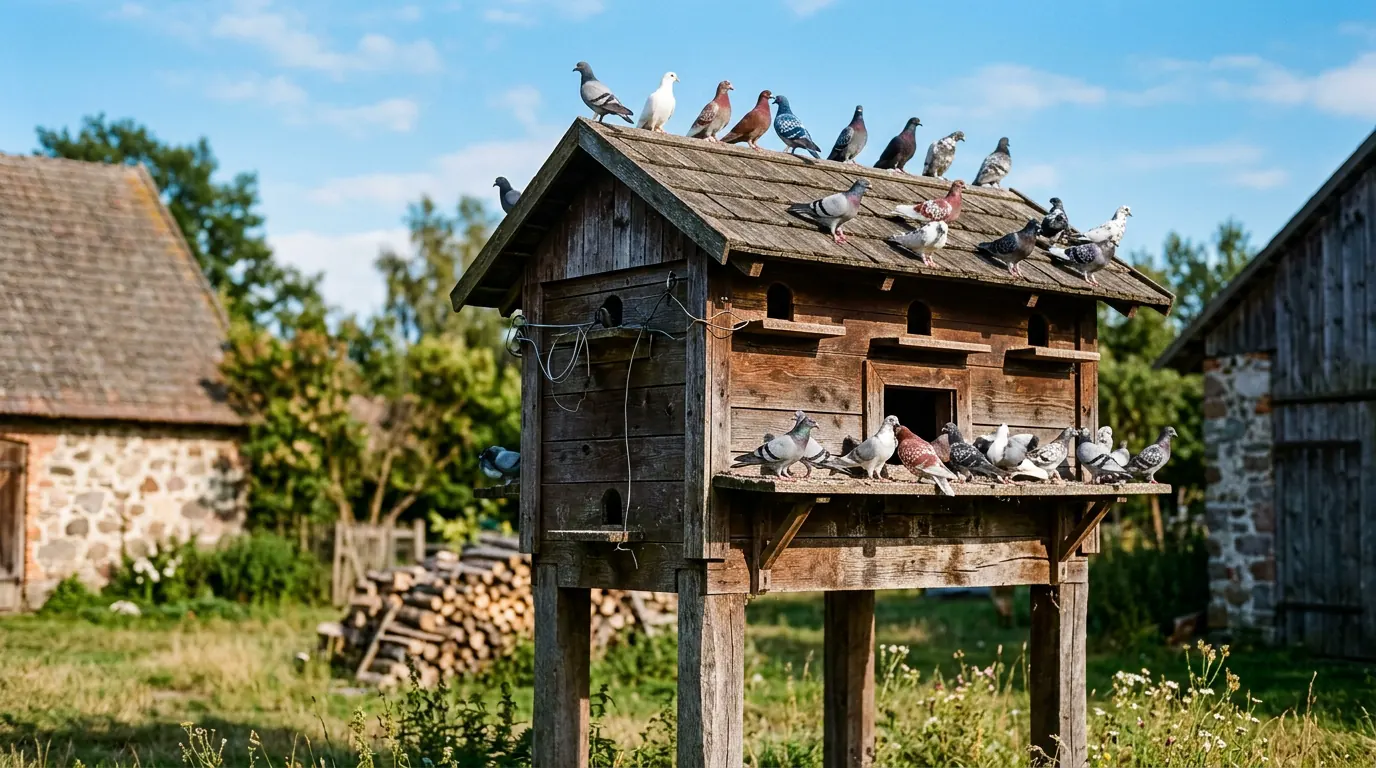
Zakonnik pigeons and Lubelskie pigeons are native Polish breeds, kept in Poland for a long time. Each has its own standard: a description of body build, color and the traits judged at shows. National pigeon breeders' clubs set the standards, and the standard decides whether a bird counts as true to the breed. Before you buy your first pair, check the current standard with the club. For a general overview, see our article on pigeon breeds.
Why we cover these two breeds together
Both breeds often appear side by side in breeders' offers and at shows, because they attract the same fans of native birds. They differ in looks and in how they are judged, so never mix them up when selling or entering pedigrees. We describe Poland's native poultry breeds, including chickens, in a separate overview of Polish native chicken breeds. If you keep several breeds at once, a separate record for each group of birds keeps your books in order.
Zakonnik Pigeons: Breed Traits
Appearance and color
You recognize Zakonnik pigeons by a typical feather pattern on the head and neck that looks like a hood. Show judging follows a points-based breed standard that checks build, posture, color and the cleanness of the pattern. Do not judge a bird by first impression. Compare it with the standard and ask an experienced club judge, especially when you buy young birds whose pattern is still developing.
Temperament and behavior in the loft
Zakonnik pigeons are seen as calm and easy to keep, as long as the daily routine is steady and predictable. Pigeons form pairs and bond strongly to their nesting place. Moving the loft, noise or frequent moving of cages can reduce their interest in breeding. With several pairs, place the nests in a quieter part of the loft, away from drafts and from spots where birds are constantly disturbed.
Lubelskie Pigeons: Breed Traits
Build and standard
Lubelskie pigeons are judged by a standard that sets body proportions, head and beak shape, tail build and color. The breed club describes all these traits. If you plan to show birds, start by comparing them with the current standard, not with a friend's opinion. Also note which line each bird comes from, because origin matters when judging whether a bird is true to the breed.
Breeding and reproduction
When breeding Lubelskie pigeons, keep records for every pair: the pairing date, egg-laying dates, hatching and rearing dates, and the ID marks of the young. This shows which pairs give even breeding stock and which are worth keeping. Mark young birds from the start, before they scatter around the loft, because identifying them later is hard and unreliable.
A Loft for Polish Breeds
Housing and ventilation
The loft should be dry, well ventilated and free of drafts, which harm young birds in particular. Damp and built-up dirt favor respiratory disease and parasites. Keep walls and floor clean and remove droppings regularly. Match equipment such as nests, nest bowls, drinkers and feeders to the number of birds. We cover the details in our guide to pigeon loft equipment.
Feeding and access to water
Pigeon feed should suit the age and condition of the birds, and you should check its quality when you buy and store it. Water must always be clean and available. Wash drinkers regularly, because germs multiply fast in dirty water. Place feeders so birds do not eat from a puddle of droppings. Change the diet gradually, especially during the breeding season.
Pigeon Health and Treatment
Prevention and contact with a vet
If you suspect disease, for example a dull bird, diarrhea, discharge from the eyes or nose, or loss of appetite, contact a veterinarian. The vet chooses the medicine and dose, not the keeper based on a forum post. Record every treatment, because the withdrawal period principle applies to birds meant for sale or slaughter. We describe how to keep such records in the treatment and withdrawal period module.
Biosecurity and new birds
Keep every newly bought pigeon apart for an observation period before you join it with the rest of the flock. Limit visits by strangers to the loft and do not move equipment between rooms without disinfecting it. Wild birds can carry disease, so protect feeders and drinkers from free-flying birds. The Chief Veterinary Inspectorate (GIW) notes that pigeons are susceptible to Newcastle disease, called paramyxovirosis in pigeons, and can pass the virus on to chickens. You can build a ready plan of protective measures in the biosecurity plan generator.
Buying Birds and Keeping Records
What to check when buying
Before buying, ask the breeder about the birds' origin, age, health and breeding line. Compare the birds with the current breed standard and see them in the seller's loft, not just in photos. Price should not be your only criterion, because amounts vary by region, age and origin of the bird. If a seller will not show you how the birds are kept, treat that as a warning sign.
Keeping breeding records in order
Keep a separate entry for each bird or pair: ring number, hatch date, origin, clutch data and treatment details. Good records let you quickly trace a bird's history at sale or inspection. You can check the rules on animal records in Poland's ISAP (Internetowy System Aktów Prawnych, the online legal acts database), and clear any doubts with the county veterinarian (powiatowy lekarz weterynarii). You can keep all entries in the farm management software.
Frequently asked questions
What is the difference between Zakonnik and Lubelskie pigeons?add
Both breeds are Polish, but they have different judging standards. You recognize Zakonnik pigeons by the feather pattern on the head, and Lubelskie by body proportions and build. The current standard from the breeders' club sets the exact traits of each breed.
Are Zakonnik and Lubelskie pigeons Polish breeds?add
Yes, they are native Polish breeds. National pigeon breeders' clubs describe their standards. Check the current version of the standard before you buy, because it may have changed.
How do I check that a pigeon is true to its breed?add
Compare the bird with the current breed standard and ask an experienced club judge to assess it. Also check the bird's origin and records. Judging by a photo alone is not enough.
Do Lubelskie pigeons need a separate loft?add
There is no single requirement for every breed. What matters most is a dry, airy loft without drafts, and keeping new birds apart during an observation period. With several pairs, it helps to separate birds during breeding and rearing.
When should I report pigeon illness to a vet?add
Report any suspected illness, especially when a bird is dull, has diarrhea or discharge from the eyes or nose, or suddenly stops eating. The vet will make a diagnosis and advise treatment. Keepers should not pick medicines on their own.
Do I have to keep records for pigeons?add
We found no specific requirement for pigeons. Still, records make selling, inspections and breeding plans easier and document treatment. Record every medicine you give, because the withdrawal period principle applies to birds meant for sale.
Sources & resources
- linkChief Veterinary Inspectorate (Główny Inspektorat Weterynarii) — gov.pl/web/wetgiw
- linkNational Research Institute of Animal Production (Instytut Zootechniki PIB) — izoo.krakow.pl
- linkInternet System of Legal Acts (Internetowy System Aktów Prawnych) — isap.sejm.gov.pl
- linkMinistry of Agriculture and Rural Development — gov.pl/web/rolnictwo
Prepared by: DlaFerm Team based on data from the sources listed · Publisher: INSTA-TECH sp. z o.o.
Do you keep more than one group of birds on your farm?
DlaFerm.pl keeps the records of your poultry farm in one place, even with several breeds. Create a free farm account or get in touch, and we will show you how to set up your records.
Phone
+48 796 258 151