Ornamental pheasants: diamond, banana, golden and royal
We keep ornamental pheasants for their plumage, not for meat or eggs. The varieties most often kept differ in color, build and the run they need. Below we describe each one, the basics of housing, and your record-keeping duties in Poland.
verifiedFrom the team that has organised work on poultry farms for years.
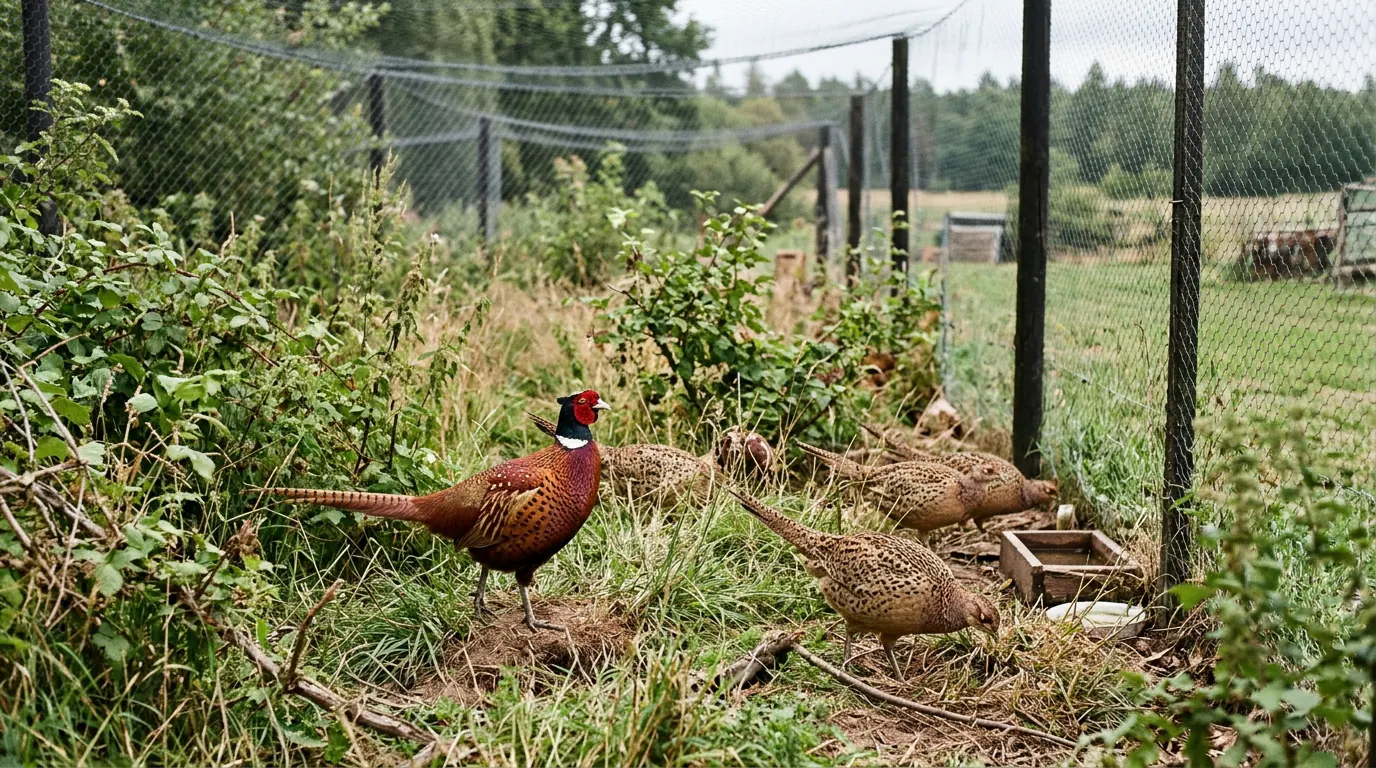
Ornamental pheasants are birds kept for the beauty of their plumage, not for production. In Polish breeding and trade you will most often meet the diamond, banana, golden and royal varieties. Each needs a slightly different run and a different approach to breeding. Variety names are used loosely in the trade, so before you buy, check the species and origin of the bird in the documents, not just in the advert. When choosing birds, draw on breeders' clubs and literature on the specific species, and for health matters always turn to a vet.
Why keep records from the first bird
Even a small ornamental flock grows fast, and with several species it is hard to remember which bird comes from which pair and when it was treated. Keeping records in one place, right at purchase, saves time at sale and at inspection. It also helps you compare breeding results year on year. The easiest way is a farm management program, and when you set up groups of birds the poultry house records module can help.
Ornamental pheasant varieties in breeding
Diamond pheasant
The diamond pheasant is among the ornamental birds most often named in Polish breeding. Its plumage combines clear, contrasting colors with a decorative feather pattern. Breeders look at color purity and symmetry of plumage, because these decide a bird's value at shows. When buying, ask about the birds' origin and whether the line was previously kept in closed breeding. Birds with a clearly described pedigree are easier to compare and easier to pair.
Banana pheasant
The banana variety stands out for a light, yellowish shade of plumage, which in breeding is sometimes confused with other color mutations. When buying, ask for the color to be described in the documents and compare it with the club standard. Birds of this color can be sensitive to strong sun and to dirt in the feathers, so be careful when cleaning the run and during dust or water baths. Beginners often want this variety because of its good looks. More in our guide to the banana pheasant.
Golden pheasant
The golden pheasant has plumage in shades of gold and red, and the males look their best in the breeding season. Females are plainer, which makes it hard to tell the sex of young birds. For the female of this species, see our separate page on the female golden pheasant. When pairing, remember that males can be aggressive toward other males, so keep them in separate pens.
Royal pheasant
The royal pheasant is less common among amateur breeders and takes more knowledge of the species. Its plumage is rich in color, with ornamental tail feathers that only fully develop in mature birds. When planning, check whether experienced breeders of this species live near you who can advise on feeding and wintering. Buying birds from a trusted source lowers the risk of bringing disease into an existing flock.
Run, shelter and feeding
Run and fencing
Ornamental pheasants need a roomy run where they can move and forage, and solid fencing. The mesh should be fine enough to keep small predators out, and the top must be secured so that skittish birds cannot get out. Divide the run into sections so you can rotate and rest the grass. Write down how you protect the flock from disease in a plan; the biosecurity plan generator prepares a ready template.
Wintering and shelter
Polish winters can be changeable, and pheasants need a dry shelter protected from the wind. Give them a place to hide from rain and frost, and keep the litter dry and replaced as needed. Damp and drafts cause problems more often than frost itself. Record conditions in the house and in the run, so that after the season you can see what worked best.
Feeding
The diet of ornamental pheasants differs from that of laying hens or broilers, so do not copy feed mixes from other birds. The choice of mixes, supplements and portions depends on species, age and stage of the cycle, and is best agreed with a feeding adviser or a vet. Always keep clean water at hand and write down feed changes, because a sudden change in composition can cause digestive trouble. Store feed in a dry place away from rodents. See also feeding pheasants.
Breeding ornamental pheasants
Pairing and keeping males
Male pheasants can be possessive and aggressive toward other males, and in a run that is too small they can injure each other badly. In the breeding season it is best to keep one male per pen or provide very roomy enclosures. Before pairing, check how closely the birds are related and record the origin of each bird. This helps you avoid inbreeding and makes pedigrees easier to keep later.
Incubation and hatching
Some ornamental pheasant species incubate eggs naturally, while others do better in artificial conditions. Hen behavior and broodiness differ by variety, so when planning a hatch, draw on breeders' clubs and literature on the specific species. Mark eggs and chicks and note them in your records on hatch day. These notes let you rebuild the history of each line easily.
Breeding age and working periods
Pheasants reach sexual maturity at different ages, depending on species and housing. Do not put birds into breeding on looks alone, because males can look mature before they are ready to mate. Agree the date of first mating with an experienced breeder and plan later seasons ahead. With more pairs, it helps to keep a calendar of settings and hatches.
Prevention and treatment
Prevention and contact with other poultry
Ornamental pheasants easily catch disease from wild birds, rodents and poultry brought in from other farms. Keep new birds apart for a set time before joining them to the flock. Limit outsiders' access to the runs and follow hygiene rules when entering the pens. It is good to document who comes and goes, for example in the QR entry and exit log.
Treatment and withdrawal periods
Medicines and doses for ornamental pheasants are chosen by a vet, not by the breeder on the strength of a forum post. Every medicine has a withdrawal period that must be observed, especially if the birds could go to sale or to the table. Record each treatment: date, product name, route of administration and end of withdrawal. This makes it easier to keep treatment and withdrawal records.
Watching the flock
Daily observation lets you catch problems before they become serious. Watch for apathy, changes in plumage, sneezing, lameness and loss of appetite. Note every worrying sign and report it to a vet without delay. A good record from a few days often helps diagnosis more than a description from memory.
Rules and breeder duties
Where to find current rules
Rules on keeping birds, moving them and registering flocks are in the Internetowy System Aktów Prawnych (Poland's online legal acts database). Animal health and veterinary supervision requirements are set by the Główny Inspektorat Weterynarii (Chief Veterinary Inspectorate), and information on payments and programs is on the website of ARiMR (Agency for Restructuring and Modernisation of Agriculture). At every inspection, rely on the current text of the rule, not on a version you heard second-hand.
Registering the flock and inspections
Many duties tied to keeping poultry relate to registering the holding and reporting animals. In practice, inspectorates expect keepers to maintain up-to-date records and show them at inspection, so keep your entries current. Check the detailed requirements for your species and number of birds with the county vet (powiatowy lekarz weterynarii). Do not assume ornamental birds are exempt just because they are not production poultry.
Other animals on the farm
If you keep several species, for example ornamental hens and pheasants, keep separate records for each group. This avoids mix-ups at inspection and at sale. Our overview of ornamental hen breeds covers hens, and you will find popular varieties in the list of ornamental hens. If you also keep pigeons, see ornamental pigeons.
How to keep records for a pheasant flock
What to record for each bird
For each bird, record the species and variety, date of origin, parents or source of purchase, date of placement in the pen, and all veterinary treatments. For females, note laying or broody periods and hatch results. Such a record shows which pairs give the best offspring and makes planning later seasons easier.
Records in one system
Paper notes in several notebooks quickly go out of step, especially as the breeding grows. Keep one set of data that shows flock status, events and deadlines. You can keep these records for pheasant breeding together with the rest of your poultry, and a farm management program gives you full control of the flock. At each new placement, also look at the guidance for ornamental and heritage poultry.
Frequently asked questions
Which ornamental pheasant is easiest for a beginner?add
It depends on the species, your conditions and your experience. We usually advise beginners to start with birds of well-documented origin and with varieties that a breeders' club can tell you about. Talk to an experienced breeder of the species before you buy.
Can ornamental pheasants be kept with ornamental chickens?add
They can, but only with plenty of space and careful introduction of groups. Males can be aggressive, and different species can carry disease. Keep new birds apart before joining flocks and record every change.
How much does a diamond or golden pheasant cost?add
The price depends on species, variety, age, origin and whether you buy a breeding bird or one for decoration. Advert prices change, so we do not give specific amounts. Get a current quote from the seller and from a breeders' club.
Do you have to register ornamental pheasants on your farm in Poland?add
Reporting duties depend on the rules in force on the day of purchase and on the number of birds. Current requirements are in the Internetowy System Aktów Prawnych and from the Główny Inspektorat Weterynarii. If in doubt, ask the county vet.
Do ornamental pheasants sit on their eggs?add
Brooding behavior differs between species and varieties. Some birds incubate naturally and some need artificial hatching. Before planning breeding, check in club literature how the species behaves.
How do you keep treatment records for pheasants?add
For every treatment, record the date, product name, route of administration and end of the withdrawal period. Medicines and doses are set by a vet. Well-kept records protect you from selling birds during withdrawal.
Sources & resources
- linkChief Veterinary Inspectorate (Główny Inspektorat Weterynarii) — gov.pl/web/wetgiw
- linkARiMR — gov.pl/web/arimr
- linkMinistry of Agriculture and Rural Development — gov.pl/web/rolnictwo
- linkNational Research Institute of Animal Production (Instytut Zootechniki PIB) — izoo.krakow.pl
- linkInternetowy System Aktów Prawnych (online legal acts database) — isap.sejm.gov.pl
Prepared by: DlaFerm Team based on data from the sources listed · Publisher: INSTA-TECH sp. z o.o.
Keeping several ornamental species on one farm?
The DlaFerm farm management program helps you keep flock, event and treatment records in one place. Create a free farm account and see how it works in practice.
Phone
+48 796 258 151