Largest Chicken Breeds: Brahma, Cochin, Jersey Giant
The largest chicken breeds are the Brahma, the Cochin and the Jersey Giant. They differ in origin, build and purpose, but all three are heavy birds. We explain what sets each one apart and what to plan for before you add big birds to your flock.
verifiedFrom the team that has organised work on poultry farms for years.
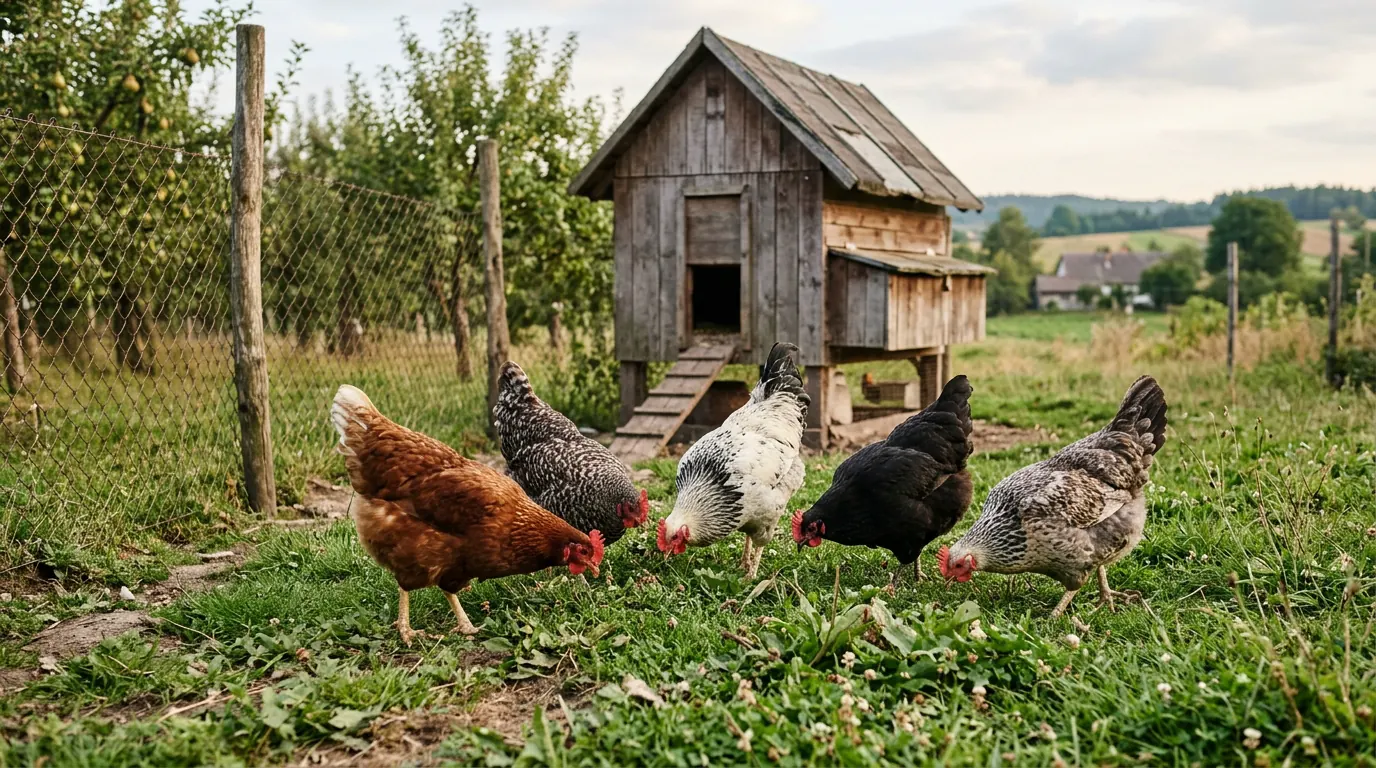
The largest chicken breeds are the Brahma, the Cochin and the Jersey Giant. Brahmas and Cochins are ornamental and show birds with heavy feathering. The Jersey Giant is an American breed developed for meat. All three reach a high body weight, but they grow more slowly than broilers and need a different approach to feed, space and record keeping. Below we describe each breed and what to check before you take big birds into your flock. For a wider view of how breeds are grouped, see our overview of ornamental chicken breeds.
Why heavy birds are not only an advantage
Big birds eat more feed, need more room in the house and on the range, and take longer to reach usable weight. The measure of profitability is the feed conversion ratio (FCR). According to the Ross Broiler Management Handbook 2025, FCR is total feed consumed divided by total live weight of the birds. The lower the value, the better the bird turns feed into body weight. The formula comes from broiler guidance, but it also shows how to compare breeds on a small farm. With slow-growing breeds, compare results at the same bird age, because the ratio changes as weight gain builds up.
Brahma: a big bird with heavy feathering
Origin and appearance
The Brahma descends from birds brought from Asia to Europe and North America. It has a large, compact frame, a short neck and a broad body. Its signature trait is feathering on the shanks and toes, which makes the legs look covered. The breed comes in several colors, and the breed standard describes comb shape, feather pattern and body proportions. Brahmas often appear at ornamental poultry shows, so learn the standard before you buy. You can find the breed in a wider comparison in the ornamental breeds overview.
Productivity
Brahmas are not a laying breed. They lay a moderate number of eggs, and the shell is usually brown. Laying rate depends on the bloodline, the age of the bird and housing conditions, so compare it with data from the breeder when you plan egg production. Brahma meat is plentiful, but the birds grow slowly, so they pay off less for meat than breeds made for that purpose. If egg output matters to you, read the description of laying breeds.
Housing
Heavy leg feathering gets dirty and soaks up moisture easily, especially on a muddy run. Dirty or wet feathers invite skin problems and inflammation, so keep the litter dry and the coop clean. At every check, look at the legs, the feathers around the vent and the overall condition of the bird. Report changes in behavior or appearance to a vet, who chooses the medicine and dose. When you plan the building, check the coop requirements, because many rules for laying breeds apply here too.
Cochin: a fluffy bird that matures slowly
Build and temperament
The Cochin is one of the largest chicken breeds. It has very full plumage, a short, rounded body and a small head compared with its body. Feathers cover the legs as well, which sets this breed apart from other large birds. Cochins are calm and gentle and tolerate people well, so they suit a backyard flock with children. Their slow pace suits free ranging, but they need clean ground.
Brooding and chicks
Cochins are known for a good brooding instinct and care of chicks. A broody hen can sit on eggs for a long time and shelters the young from cold. This matters if you want to breed birds without an incubator. Even so, chicks need warmth and a dry place, and a damp nest can harm their development. Keep records for every hatch so you know which birds come from which parents.
Run and health
On the run, Cochins need dry, sheltered space and ground that does not turn to mud after rain. Birds with dense plumage cope worse with heat, so provide shade and water. For how to set up outdoor space, read our article on the chicken run. Check feathers and skin regularly, and talk to a vet about any worrying signs.
Jersey Giant: an American meat bird
Origin and purpose
The Jersey Giant was developed in the United States as a meat breed. The birds are black, tall and massive, and the hens reach a considerable body weight. The breed was developed to produce meat from birds not pushed by intensive fattening, so it grows more slowly than broilers. That choice has a cost: a longer production cycle means more feed per bird. For a comparison with broiler lines, see our description of Ross and Cobb broilers. We also have a page on the Jersey Giant, the largest chicken breed.
Growth rate and feed
With slow-growing breeds, a profitability check has to take age into account. FCR calculated per bird at a set age shows how efficiently the birds turn feed into body weight. Record feed use and bird weight at regular intervals. That way you spot deviations sooner and plan feed purchases. You can calculate these indicators in the FCR and EPEF online module.
Where the birds come from
The Jersey Giant is rare in Poland, so breeding birds are hard to get without knowing their background. Before you buy, ask the breeder about the parents, age and health of the flock. Keep new birds in quarantine, apart from the rest, before you mix them in. We describe how to keep disease out of your flock in the biosecurity plan generator.
Which breed to choose for your farm
When to choose a Brahma or a Cochin
Brahmas and Cochins suit a keeper who wants ornamental birds, takes part in shows or breeds the variety. They are not the best choice for eggs or meat for sale. With a small flock, build a coop that protects the birds from damp and gives them a place to rest. Such flocks do well with records that capture the age, pedigree and health of every bird.
When to choose a Jersey Giant
The Jersey Giant makes sense where the goal is meat from a slow-growing bird and you accept a longer production cycle. Direct sales call for exact records: from the age of the bird and feed use to withdrawal periods after any treatment. Without this data it is hard to tell whether production pays. Before you start, work out feed and range costs on paper, then compare them with real results.
What to check before you buy
Before you buy large birds, ask about the origin, vaccinations and test results of the flock they come from. Decide where you will keep them and whether the coop has enough floor space per bird. Compare prices from several breeders, because price depends on origin, age and pedigree, and quotes change over time. For current information on animal health, see our page on laying breeds and the materials of the Chief Veterinary Inspectorate (Główny Inspektorat Weterynarii).
Records and checks in a flock of large breeds
Age and weight records
Describe each bird or group by hatch date, breed, origin and successive weight measurements. With slow growth, this data shows a slowdown, which can point to a problem with feed, health or conditions in the house. A well kept flock card also makes it easier to plan new placements. For this, use the farm management software and the coop records.
Treatment and withdrawal periods
A vet always chooses the medicine and dose. Your job is to record every treatment, its date and the withdrawal period before the birds are sold. Without such records mistakes come easily, especially in a flock of mixed ages. We keep treatment records in the treatment and withdrawal module, which watches the dates before slaughter or egg sales.
Flock registration
Register your poultry flock according to the rules in force in Poland. Check the details of the registration duty and of changes in the flock on the websites of ARiMR (Poland's Agency for Restructuring and Modernisation of Agriculture) and the Chief Veterinary Inspectorate, because requirements can change. It helps to compare the register data with your own records to avoid mismatches. We describe the link to the register on the IRZplus integration page. IRZplus is ARiMR's online animal register.
Frequently asked questions
What is the largest chicken breed?add
The largest chicken breeds are usually the Cochin, the Brahma and the Jersey Giant. The Jersey Giant is the heaviest of them and was developed as a meat breed in the United States. Cochins and Brahmas reach a high weight too, but people value them more for looks and show qualities.
Are Brahma chickens good for meat?add
The Brahma gives plenty of meat, but it grows slowly and uses a lot of feed per kilogram of gain. For sale it pays off less than meat breeds. Compare feed cost and production time before you decide.
Can Cochin chickens survive winter?add
Dense plumage protects Cochins from cold, but damp and mud are a bigger problem for them than frost. Provide dry litter and a sheltered spot on the run. Check the condition of feathers and legs regularly.
How many eggs do large chicken breeds lay?add
Laying in large ornamental breeds is moderate and depends on the line, the age of the bird and housing. The breeder or the breed club can give exact figures. If eggs matter to you, choose a laying breed.
How do I know if raising meat chickens pays?add
Track feed use per bird and weight over the following weeks, then calculate FCR. Compare the result with feed cost and selling price. Prices change often, so check current quotes with several buyers.
Do I have to register large chickens in Poland?add
Poultry flocks, ornamental ones included, fall under the registration rules. Check the details and deadlines on the ARiMR or Chief Veterinary Inspectorate website. If in doubt, contact your county veterinarian (powiatowy lekarz weterynarii).
Sources & resources
- linkRoss Broiler Management Handbook 2025
- linkChief Veterinary Inspectorate (Główny Inspektorat Weterynarii): gov.pl/web/wetgiw
- linkARiMR: gov.pl/web/arimr
- linkNational Research Institute of Animal Production (Instytut Zootechniki PIB): izoo.krakow.pl
Prepared by: DlaFerm Team based on data from the sources listed · Publisher: INSTA-TECH sp. z o.o.
Keeping several breeds at once?
The DlaFerm.pl farm management software lets you record groups of birds of different breeds and ages in one place. Create a free farm account and see how it works with your flock.
Phone
+48 796 258 151