Fermented feed for pigs and poultry: how and why
Fermented feed is wet feed that goes through lactic acid fermentation before the animals eat it. The lower pH slows spoilage, and microbes break down part of the nutrients ahead of time. We explain why to use it in pig finishing and poultry feeding, how the process runs and which risks you need to control.
verifiedFrom the team that has organised work on poultry farms for years.
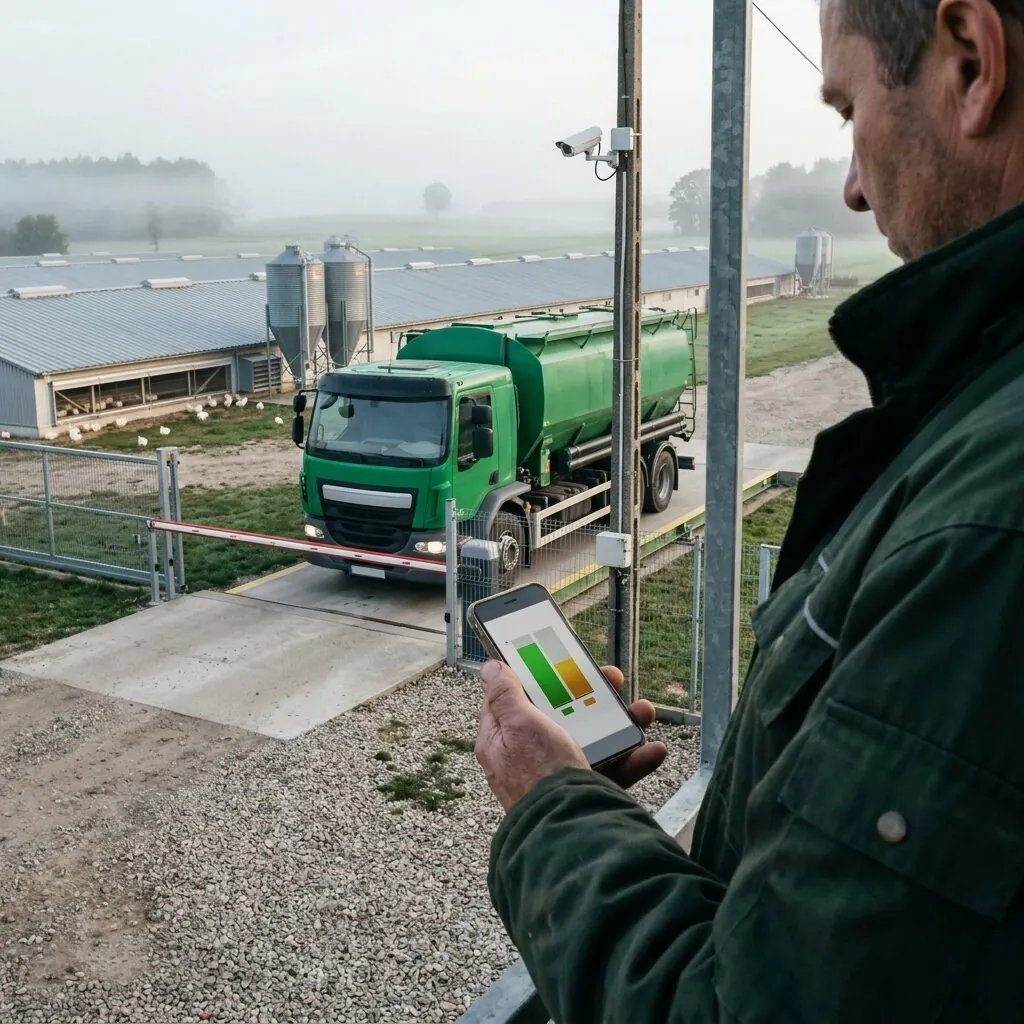
Fermented feed is wet or moist feed that goes through lactic acid fermentation before the animals eat it. Lactic acid bacteria, either present naturally on the ingredients or added as a starter, lower the pH and hold back molds and spoilage bacteria. For you, that means feed stays fresh longer and part of the starch and fiber is already broken down by microbes. Fermentation is not an add-on that works by itself. The result depends on the ingredients, how well the tank is sealed and the temperature, and mistakes in the process can harm the health of the flock or herd. Below we describe why to use it, how it runs and what to watch for.
Why ferment feed
Keepers turn to fermentation for three main reasons: to extend the shelf life of wet feed, to make it more palatable and to use ingredients that spoil fast. The acids produced lower the feed pH and limit some spoilage microbes. Fermentation can also cut waste in the trough. It does not replace a well-balanced ration. Fermented feed must still meet the nutritional needs of the animal category, and its composition is set by calculation, not by eye. You can read more about composition in our guides to poultry compound feeds and concentrates with premix.
The fermentation process step by step
Ingredients and water
Cereals, meals and feeds with a higher water content suit fermentation. Grind the ingredients before soaking, because a larger surface helps the bacteria work. Use clean water to mix the feed, since contaminated water brings unwanted microbes into it. If water quality on your farm needs work, see our guide to acidifying drinking water for poultry. It covers drinking water, but the water quality problem on the farm is the same.
Tank and airtight seal
Lactic acid fermentation runs without air. The tank or bag must be tightly closed and the feed packed down so no air pockets are left where molds grow. Temperature affects the pace: in a warmer room fermentation is faster, in a cool one slower. Do not set the time from a calendar. Check the smell, texture and condition of the feed when you open the tank. If in doubt, talk to a nutrition adviser.
What fermented feed gives you in practice
Pigs
Wet and fermented feed is widely used in pig finishing. According to the Topigs Norsvin manual (TN70, chapter on cold stress), raising the share of fermentable fiber in the ration may keep animals full for longer and improve feed intake. The same manual notes that fermenting fiber produces heat in the large intestine, which helps animals cope with cold. The manual covers sows, and its data applies to that category. According to the same source, a 5 °C drop below the neutral zone raises the daily need of sows by 0.15–0.20 kg of feed, depending on diet density. For winter feeding, it is worth recalculating the ration and settling the details with your vet and adviser.
Poultry
In poultry feeding, fermented feeds are used less often and more carefully than in pigs. Poultry have a shorter digestive tract and are sensitive to microbial contamination, so agree any feed change with your vet. If you are thinking of supporting gut health with microorganisms, read about probiotics, prebiotics and synbiotics. Assess any such additive before you start, and do not try it "on trial" across the whole flock.
Safety of fermented feed
Pathogens and toxins
A 2026 monograph from IZ PIB (Poland's National Research Institute of Animal Production) on pig welfare states that disease-causing microbes carried in feed burden animals through both clinical disease and chronic, subclinical strain. Treat feed as part of health prevention. Badly run fermentation, contaminated water or storage in a warm, damp place favor molds and toxins. Check the quality of ingredients, the cleanliness of the tank and the time from opening the tank to feeding. Feed with an unpleasant smell, slime or mold must not go into the trough.
Legal requirements
The Regulation of Poland's Ministry of Agriculture and Rural Development (MRiRW) of 12.03.2026 on measures to control African swine fever (Dz.U. 2026 poz. 344, Poland's Journal of Laws), legal state as of 22.11.2026, lists among its measures feeding pigs with feed protected from access by wild and domestic animals. It also requires a register of vehicles entering the premises and a register of people entering rooms with pigs. For your farm, that means wet feeding needs a protected tank and tidy records. Rules can change, so check the current text in ISAP (Poland's online legal acts database) or ask the county veterinary officer.
How to manage fermented feed in DlaFerm
Stock and batches
Every batch of fermented feed should have the mixing date, the ingredient list and the feeding date in your records. Then, if the health of the flock or herd suffers, you can point to the source. The feed silo monitoring module helps you keep ingredient stocks in order, and the farm management program gathers feeding data in one place. Keep feeding and health data together, because links between them are then easier to spot.
Treatment and withdrawal period
If the flock or herd needs treatment, a change in feed composition can affect how much medicine is taken up with the feed. The vet always chooses the medicine and the dose. In the treatment and withdrawal period module, record the products given, the dates and any feeding changes in that period. The record lets you work out later when animals can go to slaughter or sale, following the withdrawal period set by your vet.
Does fermentation make sense on your farm
Costs
Feed ingredient prices change with the market and the season, so we give no amounts here. Check current prices with your supplier and in market publications. Then work out the cost of the tank, the labor for mixing and any starter. A useful example is the sample farm income calculation for pork production published by ODR Lubań (a Polish agricultural advisory center). It shows how the result changes at different levels of production intensity.
Where to start
Start with one production line, for example one group of finishers, and keep records through the whole cycle. Compare daily gain and feed use with a group on dry feed. Indicators such as FCR and EPEF help you judge the effect in numbers. See how FCR and EPEF online work. After a few cycles you will know whether fermentation improves results on your farm.
Frequently asked questions
What is fermented feed?add
It is wet or moist feed that goes through lactic acid fermentation before the animals eat it. Lactic acid bacteria lower the pH, which slows spoilage. The result depends on the ingredients, how well the tank is sealed and the temperature.
Is fermented feed suitable for poultry?add
It can be used, but poultry need more caution than pigs. Poultry are sensitive to microbial contamination, so agree any change with your vet. A nutrition adviser sets the ration composition.
How long does feed take to ferment?add
The time is not fixed. It depends on temperature, the ingredients and the size of the tank. Judge the feed by smell, texture and how the animals respond after you open the tank.
Can fermented feed harm animals?add
Yes, if the process is badly run. Contaminated water, a poorly sealed tank or warm, damp storage favor molds and toxins. Feed with mold or an unpleasant smell must not go into the trough.
Does fermenting feed lower feeding costs?add
There is no universal answer. The result depends on ingredient prices, the cost of the tank and the labor for mixing. Work out the cost at your own prices and compare results with a group on dry feed.
Do I have to protect feed from wild animals?add
Yes. Under the MRiRW regulation of 12.03.2026 (Dz.U. 2026 poz. 344), legal state as of 22.11.2026, pigs should be fed with feed protected from access by wild and domestic animals. This also applies to wet feed. Check the current text in ISAP or with the county veterinary officer.
Sources & resources
- linkTopigs Norsvin — Feeding Manual TN70 (open access, GNFRS)
- linkIZ PIB — Pig welfare in a sustainable livestock production system (eds. A. Rekiel, G. Żak)
- linkMRiRW / Journal of Laws — Regulation of the Minister of Agriculture of 12.03.2026 on measures to control African swine fever (Dz.U. 2026 poz. 344)
- linkODR Lubań (PODR publication) — Sample farm income calculation for pork production (purchased piglets, different intensity levels)
- linkChief Veterinary Inspectorate (Główny Inspektorat Weterynarii) — gov.pl/web/wetgiw
Prepared by: DlaFerm Team based on data from the sources listed · Publisher: INSTA-TECH sp. z o.o.
Running wet feeding or planning fermentation?
Feed silo monitoring in DlaFerm helps you manage stock and flock feeding in one place. Create a free farm account and see how it works in practice, or get in touch with a question.
Phone
+48 796 258 151