Dead poultry and livestock disposal: how to follow the rules
A dead bird or other farm animal is not waste you can bury in the garden or put in the bin. EU rules on animal by-products cover it. We explain how proper disposal works and who to contact.
verifiedFrom the team that has organised work on poultry farms for years.
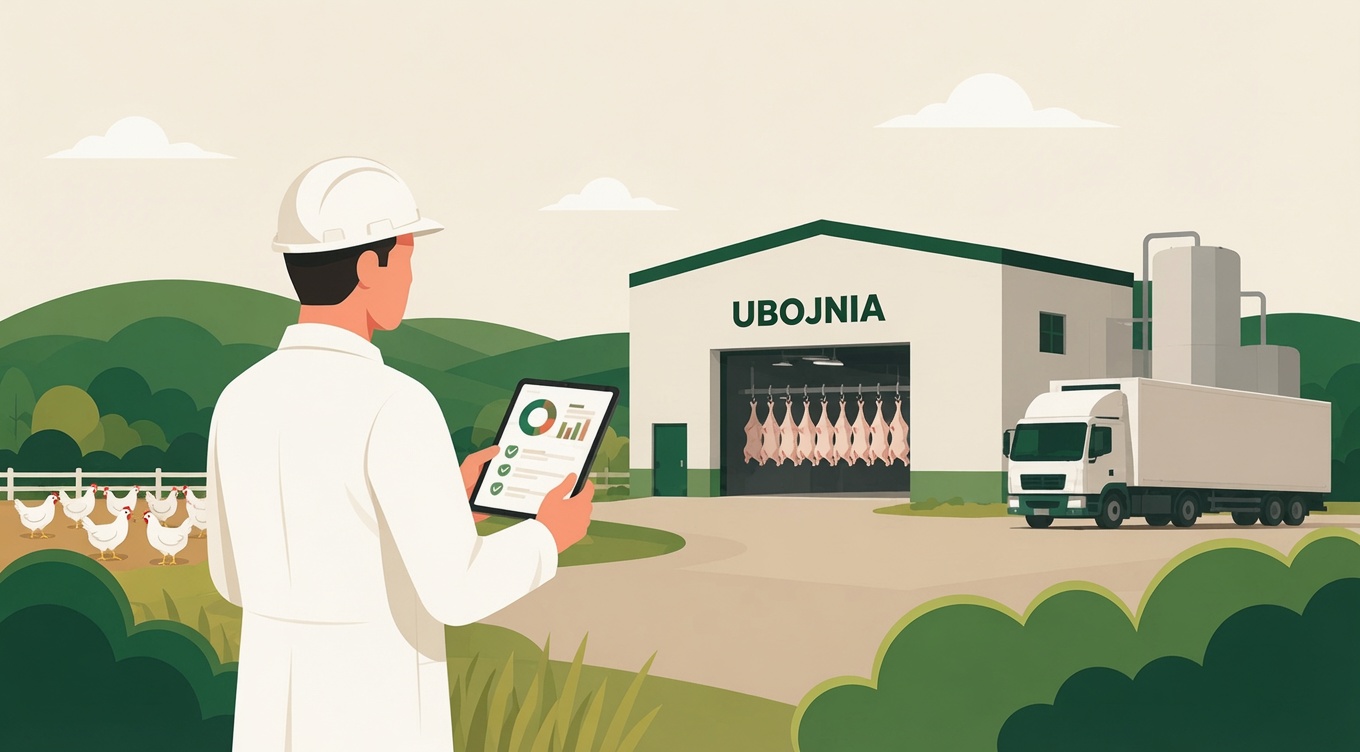
Disposing of dead farm animals, including poultry, is a legal matter in Poland and across the European Union, not a personal choice. Regulation (EC) No 1069/2009 on animal by-products (ABP) governs it. In practice, burying a dead hen in the garden or putting it out with household waste usually breaks the rules. A dead animal must go into an approved disposal channel.
Why it matters
A carcass left in the wrong place can spread disease. It can carry the pathogens behind poultry diseases such as avian influenza (HPAI) and Newcastle disease. Proper disposal is one pillar of biosecurity, alongside coop hygiene and control of entry to the farm. We cover these in our guide to poultry farm biosecurity.
Small backyard flocks are covered too
Many keepers of a few or a dozen hens assume disposal rules apply only to large commercial farms. That is wrong. The legal duty to dispose of dead farm animals properly applies at every scale, including backyard flocks. The exact procedure and who you report to can differ with flock size and local options. Check with your local veterinary inspectorate instead of guessing.
How disposal of dead animals works in practice
An approved rendering plant
Dead farm animals, including poultry, should go to a business that processes animal by-products, commonly called a rendering plant. These firms operate with approval from the competent authorities and collect carcasses in a way that does not risk spreading disease. We name no specific company and give no price list. Availability and cost depend on the region, so the best first step is to contact your local veterinary inspectorate.
Where to find the right contact
If you don't know who to call about a dead animal in your area, start with the county veterinary officer (powiatowy lekarz weterynarii) for your farm's location. They will point you to the approved business serving your area and explain the procedure for your scale. You can also find contact details for the inspectorates on our page about the Chief Veterinary Inspectorate (Główny Inspektorat Weterynarii).
Storing carcasses until collection
Until the rendering plant collects it, keep the dead animal where it cannot contact other animals, pests or the surroundings. Usually that means a sealed container or bag in a cool place, away from the rest of the flock. Agree the exact storage requirements and collection frequency directly with the collector or the veterinary inspectorate. They can differ with flock size.
Why you must not bury a dead animal yourself
Disease risk
A dead bird can stay a source of viruses and bacteria for some time. Wild animals such as foxes and birds of prey dig up shallow remains and carry them off. Rain can also wash contamination into the soil or watercourses. That is why the animal by-product rules treat proper disposal as animal health protection and epidemic prevention, not red tape.
Link to your other duties
If a death comes with suspected infectious disease, for example signs typical of avian influenza or Newcastle disease, you must report it to the county veterinary officer. That duty applies regardless of carcass disposal and is just as urgent. Reporting the disease comes first. The veterinary inspection then tells you how to handle the dead birds.
Frequently asked questions
Can I bury a dead chicken in my garden?add
As a rule, no. Dead farm animals, including poultry, fall under the animal by-product rules and should go to an approved disposal channel, not be buried in your own garden. Buried carcasses can spread disease to other animals and contaminate the ground. If in doubt, ask your local veterinary inspectorate what to do in your situation.
Who do I report a dead farm animal to?add
Start with the county veterinary officer for your farm's location. They will point you to the approved rendering plant serving your area and the procedure that fits your flock size. We collect inspectorate contact details on our page about the Chief Veterinary Inspectorate.
Do the rules apply to small backyard flocks?add
Yes. The legal duty to dispose of dead farm animals properly does not depend on flock size. It covers keepers of a few or a dozen hens too. Available solutions and the way to report can differ by region and scale, so check with your local inspectorate instead of assuming a small flock is exempt.
What is the penalty for improper disposal of dead animals?add
Mishandling dead farm animals breaks the animal by-product rules and can bring the consequences set out in law, including administrative sanctions. We give no amounts here, because they depend on the circumstances and on national rules. Beyond the legal side, it also puts your own flock and neighboring farms at real risk, so avoid it whatever the penalty.
Sources & resources
- linkRegulation (EC) No 1069/2009: animal by-products (ABP)
- linkChief Veterinary Inspectorate (Główny Inspektorat Weterynarii): wetgiw.gov.pl
- linkEuropean Commission: Animal by-products
Prepared by: DlaFerm Team based on data from the sources listed · Publisher: INSTA-TECH sp. z o.o.
Do you keep animals and want tidy flock records?
DlaFerm helps you record flock events, including deaths and treatments, in the <a href="/program-do-ewidencji-kurnika">coop records module</a>. Create a free farm account or get in touch and we will show you how it works.
Phone
+48 796 258 151