Mycotoxins in feed: pigs, cattle and poultry
Mycotoxins are toxins made by mold fungi that grow on grain, meals and forages when moisture is too high. The effects usually show up as lower feed intake and weaker weight gain, not as one clear sign. We describe how to cut the risk in storage, in the ration and in daily observation of the flock or herd.
verifiedFrom the team that has organised work on poultry farms for years.
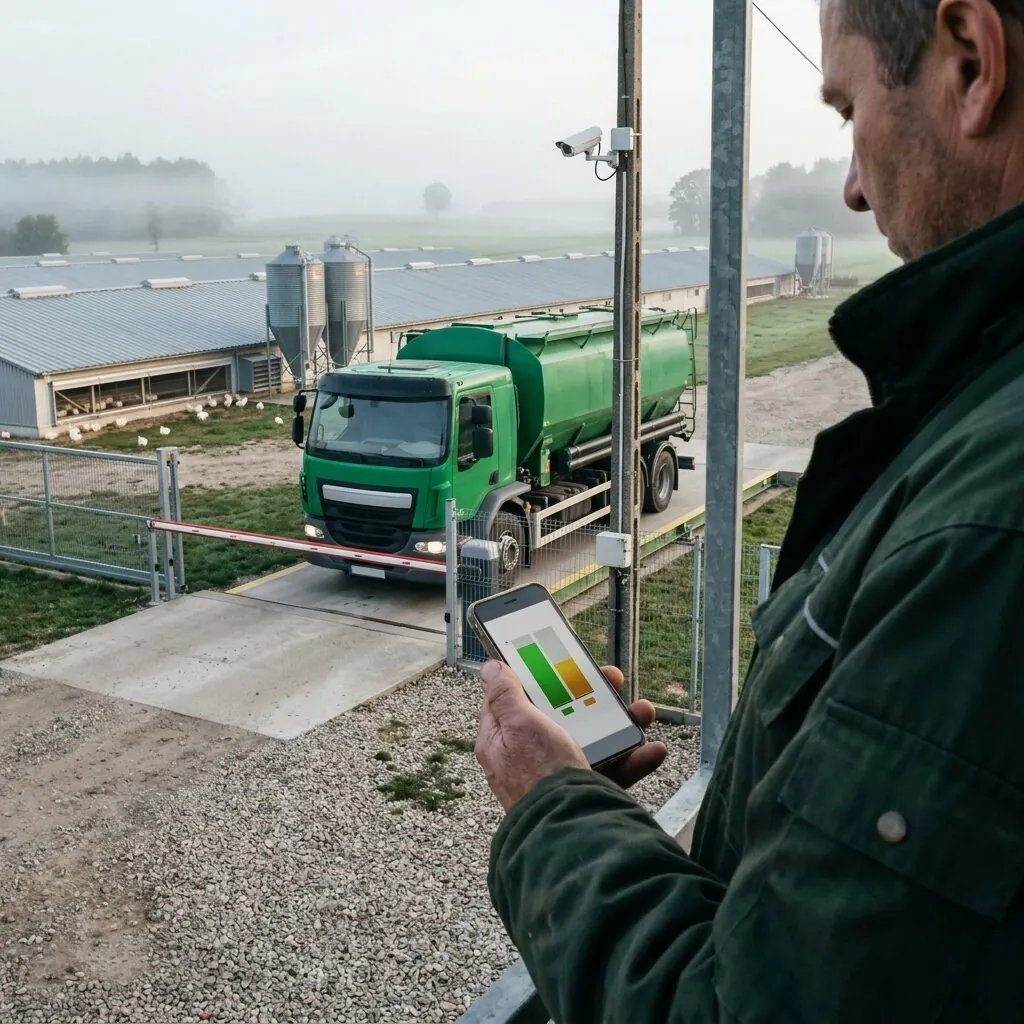
Mycotoxins form when mold fungi grow on grain and feed in the field, during drying or in storage. They can lower feed intake, slow weight gain and weaken gut health and immunity. Pigs, cattle and poultry react differently, but the source of the risk is the same: damp, badly stored raw material. You cannot remove mycotoxins completely, so on the farm what counts is control of raw materials, storage conditions and a quick response when feed results or animal performance start to drift from normal.
Where to start
Start by checking what goes into the feed: grain, meals, forages and ready-made mixes. Look for a moldy smell, clumping, dark patches and damp hay or silage. Record batches and deliveries, so that when a problem appears you can trace where the material came from. Risk rises after long rain during harvest, after long transport and in a silo with a leaking roof. Laboratory tests on samples give the most reliable answer. Signs in the animals can have many other causes, so they alone are not enough to judge the feed.
How mycotoxins affect animals
The gut and its protective barrier
The best-described example is deoxynivalenol (DON), a type B trichothecene toxin. The bibliography of the IZ PIB monograph on pig welfare (the National Research Institute of Animal Production in Poland) includes a review by Pinton and Oswald (2014) on the effect of DON and other type B trichothecenes on the gut. This literature indicates that these toxins can weaken the gut barrier, which means poorer nutrient absorption and higher susceptibility to digestive disease. In practice this shows up as weaker gain and uneven litters, even when no clear disease is visible. Even low, chronic contamination of feed should be taken seriously.
Feed intake and performance
The first signal is often a drop in feed intake. Animals eat less, so gain falls and feed conversion gets worse. This picture is easy to confuse with heat, a feeding mistake or disease. Before you blame a feed batch, compare real consumption with the plan for that group and check whether the drop affects the whole house or just one pen. If the problem starts after a change of delivery, that is a strong clue. Record consumption day by day, because that is the only way to see a change in trend.
Raw materials, ration and storage
Raw materials and storage
Grain harvested wet, stored at too high a moisture or kept in a warm silo is the most common source of mold. Check moisture on delivery, check the smell and look of each batch, and keep the store dry and well ventilated. Monitoring of feed level and condition in the silo helps you catch worrying changes before they turn into a loss. With each delivery, record the date, the supplier, the type of grain and the result of the visual and smell check. If a batch looks suspect, do not mix it with clean grain; set it aside for assessment.
Ration and binding additives
A ration does not remove mycotoxins, but it can limit the share of the riskiest raw materials and balance the diet. When you formulate a ration, check which batches you use and compare results with current feeding recommendations. The PIC nursery manual recommends in its checklist keeping mycotoxins in feed as low as possible. Mycotoxin binders are used following the manufacturer's instructions and after talking to a vet or a nutrition adviser. A feed ration calculator can help by showing how swapping a raw material changes the makeup of the ration.
Pigs, cattle and poultry: how they react differently
Pigs
In piglets and finishers the most visible problems are disturbed feed intake and uneven gain within the group. Young animals have a less stable gut barrier, so they tolerate even slight contamination worse. Record weights, feed intake and results in a digital herd record so you can compare groups fed from different batches. Pig keepers can conveniently keep this data in the app for pig farmers, because a change is visible at once, not after a month.
Cattle and poultry
In cattle the risk is often tied to forages: hay, silage and wet meals, which spoil easily in a silo or stack. Check them before feeding and discard spoiled portions. In poultry the source is usually the grain in the mix, and signs appear as lower laying rate or weaker gain. Herbal additives do not replace raw material control; you can read more about their role in the article on phytobiotics and herbs in poultry feed. Set specific rules for cattle and poultry with your vet or nutrition adviser.
What to do if you suspect contamination
First steps
Stop feeding the suspect batch before you sort out the cause. Take a representative sample from several places in the batch, label it and seal it in a clean container. Note the delivery date, the batch number and what you saw in the animals. Contact your vet, who will assess the signs and decide the next steps. Only the vet chooses treatment and doses; your job is to make sure the vet has full information. Record your observations and any treatment in the treatment and withdrawal period log, because product safety depends on it.
Records during an inspection
During an inspection the inspector expects you to show where the feed came from and how it was stored. The better your records of batches, deliveries and results, the faster you can reconstruct what happened. Information on veterinary supervision is on the website of the Chief Veterinary Inspectorate (Główny Inspektorat Weterynarii). We do not give specific regulations or mycotoxin limits for feed here, because the rules change. Check the values for a given raw material and species in current legislation and with the laboratory.
Cutting the risk step by step
Harvest and delivery season
Most risk appears after harvest in a wet year, during long transport and when new batches are stored next to old ones. The first in, first out rule limits how long raw material sits. Assess new batches right after delivery, not only when the animals start to react. Plan purchases so you do not hold large stocks through the long summer months, when moisture and heat favor mold.
Records and checking results
Keep test results, feed consumption data and weight gain in one place. After a few months, compare the figures for different batches. A farm management program helps you join this data and spot a recurring problem. Production indicators such as FCR (feed conversion ratio) show whether worse feed turns into higher production cost. Write down your conclusions together with your decisions, so that next year you know what worked.
Frequently asked questions
Are mycotoxins in feed dangerous for pigs?add
Yes, they can lower feed intake, slow gain and weaken the gut barrier. How bad it gets depends on the type of toxin, the dose and the time of exposure. If you suspect a problem, contact your vet.
How do you tell if feed has mycotoxins?add
Appearance alone does not always tell you. Look for a moldy smell, clumping and damp, and if in doubt send a sample to a laboratory. Signs in the animals are not specific, so they alone are not enough for a diagnosis.
Are mycotoxin binders enough?add
No, they do not replace good raw material and storage. Use them following the manufacturer's instructions and after talking to a vet or a nutrition adviser. The choice depends on what was actually found in the feed.
Do mycotoxins harm cattle and poultry the same way?add
No, the reaction depends on species, age and type of feed. Cattle are more often exposed through forages, and poultry through grain in the mix. Set rules for each group with your vet.
When should I call the vet about a feed problem?add
When you see a sudden drop in feed intake, signs across a group of animals or worse results after a change of delivery. Do not wait for the problem to spread. The vet will assess the situation and decide on treatment and the withdrawal period.
How should I store grain to cut the risk of mold?add
Take in grain at the right moisture, store it in a dry, well-ventilated place and use old batches first. Check the temperature and smell in the silo regularly. Record the intake date of every batch.
Sources & resources
- linkPIC — PIC Nutrition and Feeding Guidelines (metric)
- linkPIC — PIC Wean to Finish Guidelines
- linkIZ PIB — Pig welfare in a sustainable animal production system (eds. A. Rekiel, G. Żak)
- linkChief Veterinary Inspectorate (Główny Inspektorat Weterynarii) — gov.pl/web/wetgiw
Prepared by: DlaFerm Team based on data from the sources listed · Publisher: INSTA-TECH sp. z o.o.
Keeping an eye on feed quality in your silos and flock?
The feed module in DlaFerm lets you monitor feed level and condition and record batches in one place. Create a free farm account or get in touch, and we will show you how it works in practice.
Phone
+48 796 258 151