Molasses for cattle: how much to feed and why
Molasses is an energy supplement you feed as part of the ration or in a lick block. There is no single figure for every herd, because the amount depends on the animal category and the rest of the diet. We explain the dosing rule, how to introduce it and the signs that mean you call the vet.
verifiedFrom the team that has organised work on poultry farms for years.
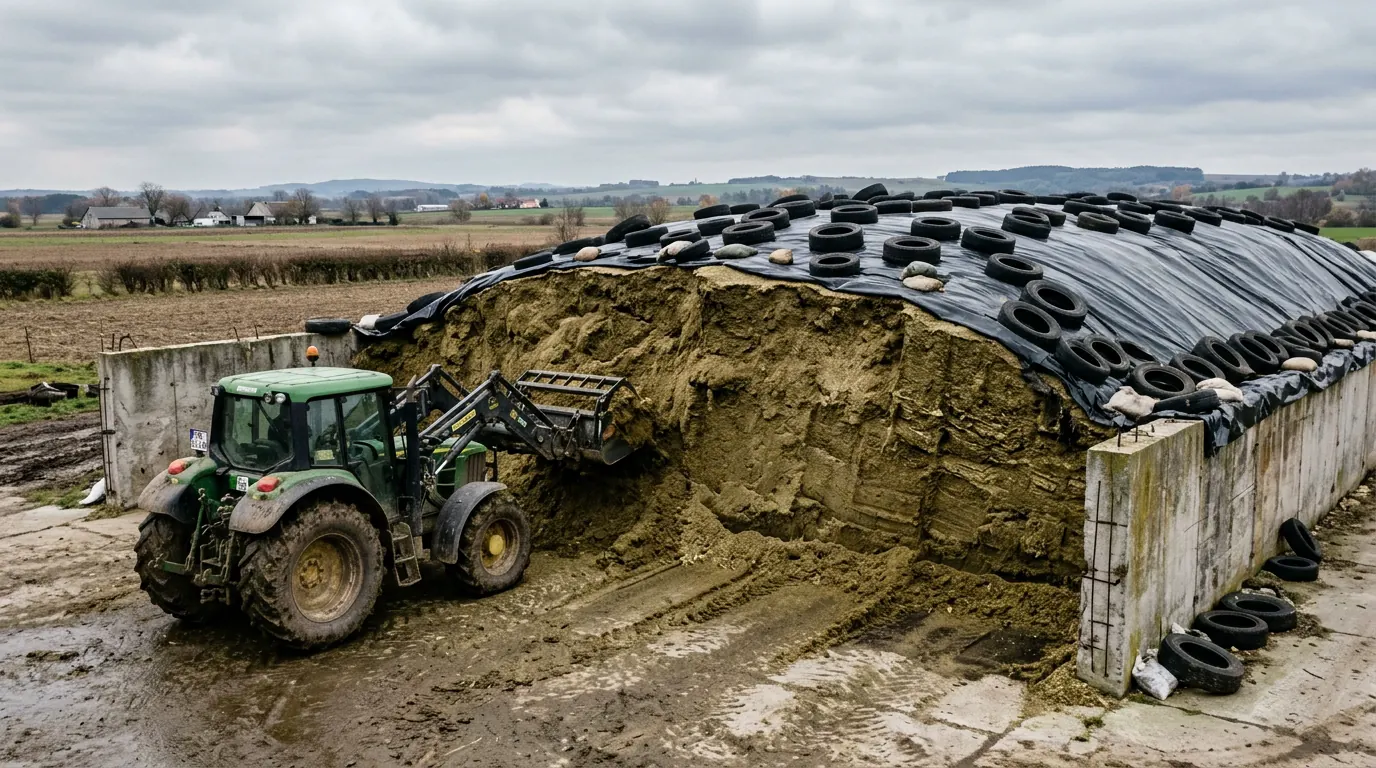
Molasses for cattle is a product rich in simple sugars. We add it to the ration to raise energy and make feed tastier. We do not give one number for how much to feed. It depends on the animal category, body weight, ration composition and what cows or finishing cattle get from pasture or silage. The rule is simple: work out the whole ration first, then add molasses gradually, in an amount agreed with your vet or feeding adviser.
Why feed molasses to cattle
Molasses gives quickly available energy and makes less appetizing ingredients easier to eat, for example straw mixed with concentrate. It does not replace protein or fiber. If the ration is low in protein, molasses will not fix that. So before you add it, balance the ration and know what the animals already eat. According to IZ PIB (Poland's National Research Institute of Animal Production), where concentrates are limited, for example in organic farming, the main factor in feeding efficiency for cows and young finishing cattle is the quality of roughage and maximizing its share all year round. Molasses makes sense as a supplement to a good forage base, not as a substitute for it.
How much molasses to feed: a rule, not a number
Why there is no universal figure
Calves, suckler cows and finishing cattle close to slaughter are all fed differently. Each category needs different energy and protein, and has a different body weight and growth rate. Silage and hay quality matter too, and so does access to pasture. If you feed molasses by eye, it is easy to overshoot energy needs, and you get fat instead of meat gain. Check the result in daily gain and in the indicators you can follow in FCR and EPEF online. Your vet or feeding adviser sets the dose based on animal weight and feed composition.
Introduce it gradually
Always add a new ingredient step by step. Start with a small amount and watch whether the animals eat it willingly, whether the manure changes and whether bloat appears. Only after a few calm days do you raise the amount, and only up to the level your adviser recommends. A sudden change of diet upsets the rumen microflora and can cause digestive problems. "More is better" does not apply here: too much sugar works against what you want.
Molasses in the ration and in lick blocks
Mixing into feed
The safest way is to add molasses to the feed mix, for example in the mixer wagon, so it is spread evenly. With group feeding, uneven mixing means some animals get too much and others almost none. Molasses is thick and sticky, so dilute it slightly before feeding, as your adviser recommends. Keep records of feed ingredients and stocks in one place, for example in silo monitoring, so you know how much supplement is left and when to restock.
Molasses as a lick block ingredient
Molasses often serves as the binder in lick blocks. The problem is that the animal decides how much it licks, and intake depends on weather, appetite and age. So you cannot predict the dose from a lick block. Before you buy, check the composition on the label and ask your adviser whether the product suits the animal categories in your herd. A lick block does not replace a balanced ration and should not be the only source of energy. If the herd has constant access to a lick block, check from time to time that consumption is not rising sharply.
Overdose and digestive problems
Diarrhea and bloat
Too many easily fermented sugars shift rumen fermentation toward lactic acid. This can lead to rumen acidosis, diarrhea and bloat. The first signs are reduced appetite, slower rumination, looser manure and an animal standing apart from the herd. If you see these signs in several animals, cut back or stop the molasses at once and call your vet. Do not choose medicines yourself, because the vet always chooses the drug and the dose. Record every intervention in treatment and withdrawal period records so you have the full history of the herd.
Calves and cows around calving
Young calves have an underdeveloped rumen and do not yet ferment feed like adult cattle. Introduce energy supplements, including molasses, only after talking to your vet or adviser, not on your own initiative. Cows around calving have different energy needs than cows in mid-lactation, so here too the dose is set individually. The younger the animal, the smaller the margin for error with sugars in the ration.
How to check the effect in your herd
What to watch
Regularly assess body condition, weight gain, feed intake and manure. Weighing at regular intervals shows whether the supplement works. Write down ration changes and dates, because otherwise you cannot reconstruct what worked. It helps to link animal data with the register, so see how the integration with IRZplus (ARiMR's online animal register) and sensors works. It makes later settlements and inspections easier.
Judging whether it pays
Whether molasses pays depends on its price per unit of energy compared with other feeds, such as grain or silage, and on how much energy actually reaches the animal. Market prices change often, so we do not quote them. Check current prices with your feed supplier, at agricultural chambers and in feed wholesalers' offers. When comparing, count the cost per unit of gain, not the cost per bag. It is best to do this with an adviser who knows your herd's results.
When to call the vet
Warning signs
Call your vet when several animals lose appetite at once, or when diarrhea, a bloated belly or weakness appears. Do the same when an animal lies down, struggles to stand or does not chew the cud. Do not delay the call, because with rumen acidosis time matters. Tell the vet exactly what you feed, in what amount and since when. This helps choose the right course of action and judge whether the supplement or something else is the cause.
Frequently asked questions
Can you feed molasses to cattle every day?add
Yes, if it is part of an agreed ration, but your vet or feeding adviser sets the amount and the way of feeding. We give no figure here, because it depends on the animal category and the rest of the diet.
How much molasses should I give a cow?add
The dose is worked out from the cow's whole diet, not from one ingredient. Start with a small amount, watch the animals and talk to your adviser before raising it.
Is molasses good for calves?add
Young calves have an underdeveloped rumen, so we give them energy supplements only after talking to a vet. Do not introduce molasses on your own.
What should I do if cattle get diarrhea after molasses?add
Cut back or stop the molasses and call your vet. Do not choose medicines yourself, because the vet chooses the drug and the dose. Write down the symptoms and the feeding dates.
Where can I check data on feeding beef cattle?add
Leaflets from Poland's agricultural advisory centers and publications of the Institute of Animal Production (IZ PIB) help. For beef cattle on organic farms, they cover feeding rules and guidance on roughage.
Sources & resources
- linkIZ PIB — WZ — Feeding beef cattle in organic farming (K. Bilik et al.)
- linkOODR Łosiów (gov.pl) — Feeding beef cattle (leaflet)
- linkTeagasc — Teagasc Beef Manual — Section 6: Nutrition
- linkAHDB Beef & Lamb (UK) — Beef BRP Manual 5: Feeding suckler cows and calves for Better Returns
Prepared by: DlaFerm Team based on data from the sources listed · Publisher: INSTA-TECH sp. z o.o.
Keeping track of feed stocks and rations in your herd?
The DlaFerm feed silo monitoring module helps you follow feed and ration ingredient stocks in one place. Create a free farm account at DlaFerm.pl or get in touch, and we will show you how it works in practice.
Phone
+48 796 258 151