Drought aid for poultry farmers in Poland
Drought aid is support for farms that lose money after a drought. The law and the procedure decide whether you get it, not the drought alone. We explain what data to collect, how to report damage and where to check the rules, as of the legal state on 22.11.2026.
verifiedFrom the team that has organised work on poultry farms for years.
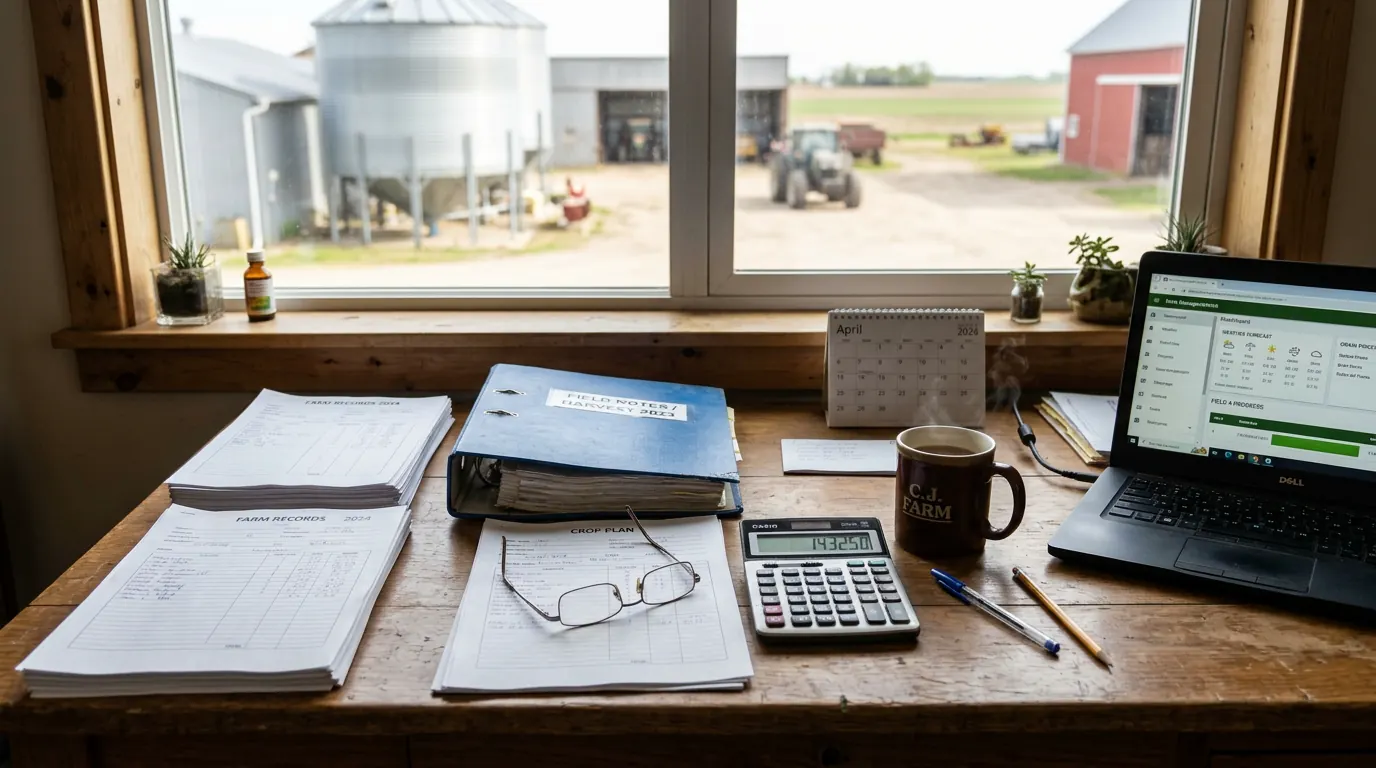
Drought aid is a form of financial support for farmers whose farms suffered damage caused by drought. A poultry keeper can apply if they meet the conditions set in the rules in force that year and can document the losses. Not every drought gives a right to aid, because the scope of damage, the type of production and the procedure set by the state all count. We describe the rules as of 22.11.2026. We give no amounts or deadlines, because they change from year to year. You will find current data in the sources listed at the end of the article.
Why drought hits a poultry farm
Drought affects a poultry farm in several places at once. Grain and maize yields fall, so feed gets more expensive or harder to buy in the amount you need. A weak well or reservoir limits drinking water. Heat in the house lowers bird welfare and weight gain, and hauling in water adds costs. You can describe each of these in documents, and documents decide whether the damage is recognized. Before you start collecting data, check in the poultry farm management software which records you already have.
Who can apply for drought aid
The farmer and the farm
Drought aid usually goes to farmers running a farm that suffered production damage. On a poultry farm you must show that the losses are linked to the drought, not just to a generally poor season. Before you file anything, check whether your production and the legal form of your farm are covered. Requirements on production size, ownership form or registration may differ between programs. Getting one kind of support in the past does not mean you will automatically get the next.
Linking the damage to drought
The person assessing damage usually asks whether the losses came from drought and not from management errors. So record when problems with water, feed and house temperature appeared, and compare them with the dry period. Data from the local weather station and information from the municipality about the extent of the drought help. The more specific your description, the fewer questions and requests for additions you will get during the procedure.
What data to collect before you report damage
Water and feed use
Record daily water use and the amount of feed given throughout the drought. Keep emergency purchases too: invoices for hauled water, feed from another source and transport costs. The gap between normal and current use is the basis for estimating the scale of losses. If you restrict drinking water because there is none, note the date and the reason for that decision. Data written down as you go is more believable than notes made from memory weeks later.
Flock condition and results
Note flock size at the start of the drought and during it, losses with their causes, and bird weight gain. If you do check weighings, record them with dates. Photos of the house and the range showing the date help document the real situation. Document what you did, for example changes to ventilation or extra drinkers. They show you worked to limit the losses, not just reported them.
The paper trail
Keep invoices, receipts, proofs of purchase, test results and copies of log entries. With electronic records, export reports for the whole period and store them safely. Documents must be consistent: if the log shows one bird count and the application another, you will have to explain the gap instead of having the damage assessed.
How to report damage and file an application
Reporting the damage
The first step is to report the damage at the municipal office or at the place named in the current rules. The deadline can be short and runs from the moment the damage became visible, so do not wait until the end of the season. Check the exact rules in the legislation. In your report give the date, the type of damage and an estimate of the scale of losses. When you file, ask which attachments are required and what the next steps are.
Assessment and application
After the report, the damage is usually assessed. Watch the deadlines for filling in gaps and keep the documents from the records section ready. You file the aid application by the deadline and in the form set by the institution granting the support. You will find details on the websites of ARiMR (Poland's Agency for Restructuring and Modernisation of Agriculture) and the Ministry of Agriculture and Rural Development, and current legal acts in ISAP, Poland's Internet System of Legal Acts.
What to do on the farm right now
Water and drinking
Check the yield of your well or intake and your water reserve in case supply is cut off. If you haul in water, order it with a sales document. Check the water for poultry for cleanliness, because the risk of contamination rises when levels are low. Agree any water additives with your vet and do not pick products on your own.
Temperature and ventilation
Heat in the house quickly goes past what birds can tolerate. Check ventilation, place drinkers in cooler spots and reduce stocking density in the hottest hours of the day. Record temperature and humidity readings, because they are proof of protective action. If birds show signs of overheating, call your vet as soon as possible. The rules on environmental enrichment for broilers can also help.
Feed and stock
Plan feed purchases ahead and compare offers from several suppliers. Grain and feed prices depend on harvests, demand and the market, so check current quotes in market sources and do not rely on memory. Record every change to the ration and the reason for it, because such entries explain costs in your documents. For planning, the calculators for farmers are useful.
How DlaFerm helps with drought documentation
House and flock records
The house records module lets you record stocking, bird movements and losses in one place. For drought documentation the dates and reasons of events matter, so enter them straight away. The digital flock card works the same way, and you keep the course of the cycle and weighing results in it.
Treatment and use
In the treatment and withdrawal period module you record products given and withdrawal periods, which matters at every inspection. You keep data on the whole farm in the farm management software, so it is easier to prepare a summary for a chosen period.
Indicators and comparisons
Production indicators such as FCR and EPEF show how the drought affected a batch compared with earlier cycles. The FCR and EPEF online summary helps when you argue your case in the procedure. Comparing with the growth standard from the breeder's table gives a better picture than an estimate from memory.
Frequently asked questions
Can every poultry farmer get drought aid?add
No. Aid depends on the conditions in the rules in force that year, and on whether the losses are linked to drought and documented. Check current rules with ARiMR and on the Ministry of Agriculture and Rural Development websites, because conditions change.
How do you document drought losses on a poultry farm?add
Collect data on water and feed use, flock condition, losses with causes, and invoices for emergency purchases. Add photos and records of protective actions, for example changes to ventilation. Data kept as you go is more believable than notes made afterward.
Where do you report drought damage?add
You usually report at the municipal office or at the place named in the current rules. Do not wait until the end of the season, because the deadline can be short. When you report, ask which attachments are required and what comes next.
Do you have to report drought if the losses are small?add
It depends on the rules and thresholds of the given program, which we do not give here because they change. Record losses whatever their scale, since it makes later settlement easier. Talk to the municipal office before you decide.
Does drought aid replace crop or flock insurance?add
No. Drought aid and insurance are separate mechanisms with their own conditions. We do not compare them here, because the rules depend on the type of production and the contract. Check insurance terms in your contract and with your insurer.
Can I choose products to support birds in the heat myself?add
No. Your vet, who knows the flock, chooses the medicine, dose and method of giving it. After giving a product, respect the withdrawal period and record it in the treatment records. If birds show signs of overheating, tell your vet as soon as possible.
Sources & resources
- linkARiMR — gov.pl/web/arimr
- linkMinistry of Agriculture and Rural Development — gov.pl/web/rolnictwo
- linkChief Veterinary Inspectorate — gov.pl/web/wetgiw
- linkInternet System of Legal Acts — isap.sejm.gov.pl
Prepared by: DlaFerm Team based on data from the sources listed · Publisher: INSTA-TECH sp. z o.o.
Want your flock data at hand when you report damage?
The farm management software helps you keep flock records and all entries in one place. Create a free farm account and see how it works for your production.
Phone
+48 796 258 151