Diarrhea in chickens: causes by droppings color
Diarrhea in chickens is a symptom, not a diagnosis. The color, consistency and any blood in the droppings point you in a direction, but only a veterinary exam finds the cause. We explain what the most common colors can mean and what to do in the flock.
verifiedFrom the team that has organised work on poultry farms for years.
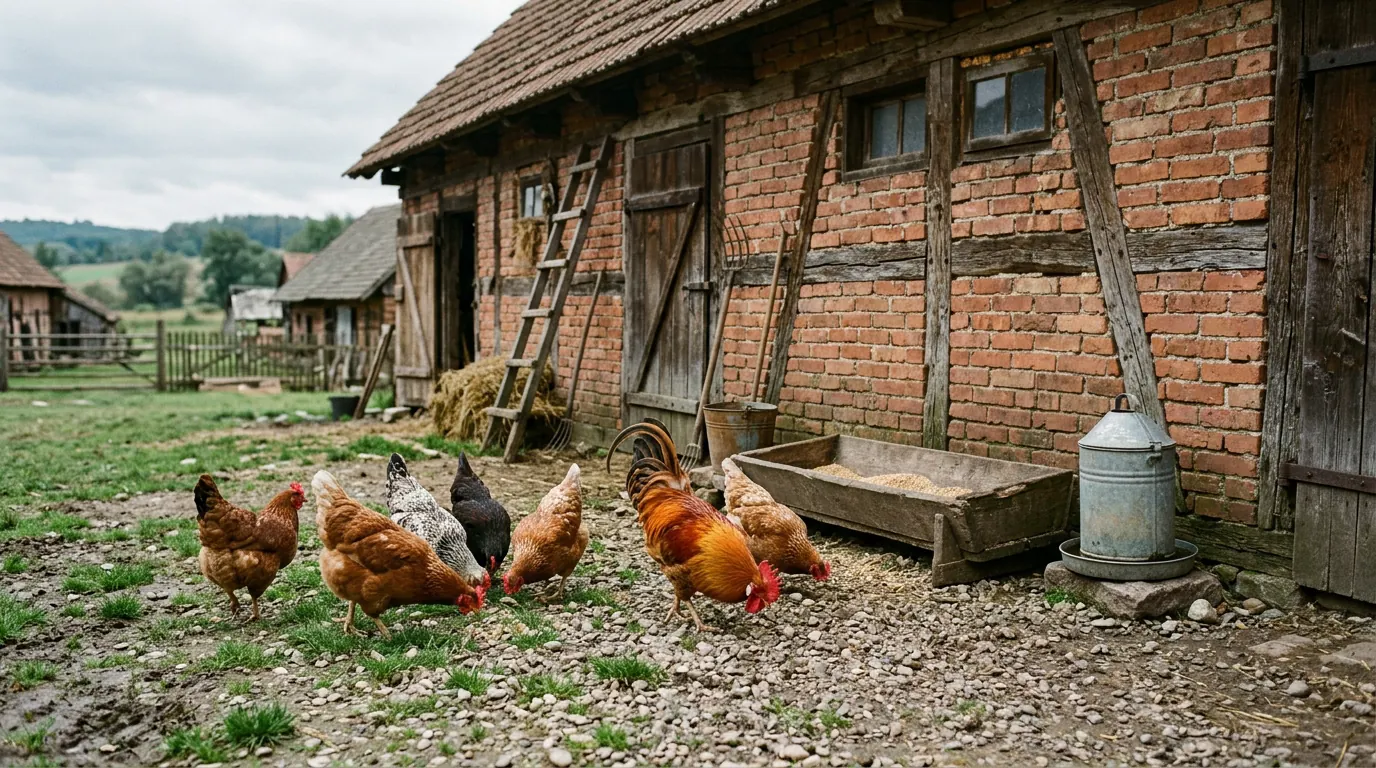
Diarrhea in chickens is not a disease in itself. It is a symptom. The color, consistency and smell of the droppings suggest which system is affected, but they do not replace an exam. Before you give the flock anything, walk the pen, count the sick birds and write down what you see. That is where a good diagnosis at the vet starts. Below we describe what the most common droppings colors can mean and how to act in the first hours.
Why droppings color matters
Chicken droppings have two parts: a solid part, usually dark, and a white part, which is urates from the kidneys. Changes in either one tell you about the gut and the kidneys. Greenish droppings, water in the droppings, blood, or a missing white part are different problems and lead to different questions. That is why we describe symptoms and not just disease names. Write down your observations right away, with the date and time you first noticed the change. It makes the talk with your vet easier and shows whether the flock is getting better or worse. If you keep records in a system, they are easier to organize in the coop records module.
What each droppings color can mean
Greenish, watery droppings
Green droppings with a lot of water show up with digestive upsets, a feed change and gut infections. The color alone does not point to one cause. Telling them apart takes a lab test and a look at the whole flock. A sudden change of feed mix can also loosen droppings, so compare what you fed in the last few days. Check that the birds always have fresh water, because dehydration makes the illness worse. We cover layer feeding in feeding laying hens.
Yellowish, foamy or fatty droppings
Yellow or foamy droppings are more often linked to poor absorption and to feed with too much fat or fiber. The change can also come from gut diseases or parasites. Before you change the diet, check the feed composition and when the changes began. Drinker water should be clean and available all the time. If the problem returns, consider testing for parasites, which we describe in our guide to worms in laying hens.
White, chalky droppings
A lot of white, chalky droppings, especially with a watery part, often points to the kidneys or dehydration. The urates are then passed in excess or in a compacted form. Do not treat this symptom with home remedies. Note which birds show the change and check for other signs: dullness, drinking less, or a drop in laying. Damp litter and drafts weaken the birds, but they do not explain kidney disease on their own.
Bloody or black, tarry droppings
Blood in the droppings is an alarm signal. Fresh red blood usually means bleeding in the lower gut, while dark, sticky droppings more often suggest bleeding higher up. Bloody diarrhea in young birds is often linked to coccidiosis, but it needs to be confirmed by testing. Do not wait: separate the sick birds, record the number of deaths and call your vet. If many birds are sick, report it without delay, following the rules for reporting infectious diseases.
The most common causes of diarrhea in chickens
Feed and water
Feeding mistakes are the most common cause and the easiest to fix. A sudden change of mix, moldy feed, too much green feed or too much of one ingredient can upset the gut within a day. Water matters just as much. No water or a dirty drinker means the birds drink less and the droppings turn watery. Change feed gradually and check the moisture and smell of the feed in the silo. We discuss what makes a good drinker in our guide to the automatic drinker for chickens.
Infections
Diarrhea is caused by bacteria, viruses, protozoa and parasites. Salmonellosis is one of the diseases to consider with diarrhea in laying birds; read more in the text on salmonella in laying hens. The symptom alone cannot tell them apart. You need tests: culture, a droppings test or a necropsy of a dead bird done in a proper laboratory. Do not assume there is a single cause, because two often occur together in a flock.
Stress, conditions and parasites
Drafts, heat, noise, a change of flock, transport and sharp temperature swings lower immunity and can cause loose droppings. Damp litter favors microbes and parasites. We describe coop conditions in the requirements for a laying hen coop. External parasites such as red mite (ptaszyniec) do not have to cause diarrhea directly, but they weaken birds and worsen the overall state of the flock.
First steps when you notice diarrhea
Observation and isolation
Start with a walk through the coop and the run. Count the birds with symptoms and note their behavior, the droppings color and whether they eat and drink. Separate birds that have clearly weakened in a quiet place with access to water. Do not move equipment or footwear from one coop to another without disinfecting. The biosecurity plan generator helps you build a biosecurity plan.
Changes to feed and water
If you suspect the feed, do not change the diet abruptly. Check that the feed was not stored in damp conditions before you pour it into the feeder. Make sure the drinkers work and the water is clean. Do not add medicines on your own. Vitamins and supplements make sense with correct feeding, as we explain in the guide to vitamins for chickens. First ask your vet whether supplements are right in this situation.
When to call the vet
Call at once if the diarrhea lasts longer than a few days, if birds are dying, if there is blood in the droppings or if laying drops. The vet decides on testing and treatment. Only a vet chooses the medicine and dose. After treatment, keep to the withdrawal period, which depending on the drug applies to eggs or meat. Record the dates of treatment and the end of the withdrawal period in your treatment records.
How to reduce diarrhea in the flock
Regular checks of feed and water
Check the feed in the silo and the feeder every day. Look at the smell, clumping, mold and any insects. Clean drinkers regularly and check that they work, because even a short break in water access affects the droppings. Note feed changes, because they are the most common starting point for a diagnosis. If you keep records in a poultry farm management program, all your observations are in one place.
Hygiene and rotation
Keep the litter dry and replace it when it is wet or clumped. Rotate the run to limit contamination with parasites and bacteria. Remove droppings regularly. Before you bring in new birds, clean and disinfect the coop thoroughly. Record when cleaning and disinfection were done, so you have the full picture if trouble comes. We cover stocking density and run size separately, for planning a new flock.
Testing and veterinary prevention
Agree a prevention program for your flock and species with your vet. Ask which droppings or sample tests are recommended regularly and how to collect the material so the result is reliable. Vaccination dates depend on the disease, the type of flock and the situation in the region. Do not copy other people's schedules without talking to your vet.
Recording observations and treatment
What to write down
With each change, note the date and time, the number of birds with symptoms, the color and consistency of the droppings, changes in feed and water, the coop temperature and any deaths. A photo of the droppings taken in daylight helps in the talk with your vet. A note does not replace an exam, but it shows the course of events, which you cannot rebuild from memory a week later.
Treatment records
Record every medicine you give: its name, the dose prescribed by the vet, the route, the days of treatment and the end of the withdrawal period. Missing records make inspection harder and can lead to selling eggs or meat before the withdrawal period ends. You keep treatment records and withdrawal dates in the medicine and withdrawal module in DlaFerm.pl.
Rules and duties
Reporting infectious diseases and keeping flock health records come from veterinary law. You can check the current rules in the Internetowy System Aktów Prawnych (ISAP, Poland's online legal acts database) and on the pages of the Główny Inspektorat Weterynarii (Chief Veterinary Inspectorate). Legal state as of 22.11.2026. If in doubt, ask your vet or the county veterinary officer (powiatowy lekarz weterynarii). In practice, inspectors expect a quick report when you see unusual, widespread symptoms in birds.
Frequently asked questions
What chicken poop color is the most dangerous?add
Blood in the droppings needs the most urgent attention, whether fresh or dark and tarry. Diarrhea with bird deaths or a sudden drop in laying is just as alarming. In that case, separate the sick birds and call your vet instead of waiting for it to pass.
Does diarrhea in chickens go away on its own?add
Mild diarrhea after a feed change sometimes clears up within a few days once you go back to the old diet and improve access to water. If symptoms persist, cannot be explained by feed or the birds get worse, you need a vet diagnosis. Do not wait it out and hope.
Can I give chickens medicine without a vet visit?add
No. The vet chooses the medicine and dose after an exam. Some medicines have a withdrawal period for eggs and meat, and wrong use can harm the birds and consumers. Always record the products given and the withdrawal dates.
Is diarrhea in chickens dangerous to people?add
Some gut infections in poultry, such as salmonellosis, can pass to people. Wash your hands after contact with droppings and wear gloves when handling sick birds. The risk depends on the disease, so the vet makes the diagnosis. Do not eat eggs from sick birds without advice.
How do I tell diarrhea from kidney problems?add
It is hard to tell from the outside. Diarrhea usually means a change in the consistency and color of the droppings, while kidney problems show as an excess of white urates, and the birds may drink more or less. A final diagnosis needs an exam. Written symptoms make the diagnosis easier.
Do records in a system help with a flock inspection?add
Yes. Notes on feed, water, symptoms and treatment in one place let you quickly rebuild the course of events. That makes it easier to talk with your vet and to show what changed before the problem appeared. Records do not replace an exam.
Sources & resources
- linkChief Veterinary Inspectorate (Główny Inspektorat Weterynarii) — gov.pl/web/wetgiw
- linkNational Research Institute of Animal Production (Instytut Zootechniki PIB) — izoo.krakow.pl
- linkEFSA — efsa.europa.eu
- linkInternetowy System Aktów Prawnych (Poland's online legal acts database) — isap.sejm.gov.pl
- linkMinistry of Agriculture and Rural Development — gov.pl/web/rolnictwo
Prepared by: DlaFerm Team based on data from the sources listed · Publisher: INSTA-TECH sp. z o.o.
Do you keep laying hens and want symptom history at hand?
In the DlaFerm.pl treatment and withdrawal module you record medicines and withdrawal dates, and in the coop records module your observations from the coop. Create a free farm account in DlaFerm.pl and log your first observation today.
Phone
+48 796 258 151