Cages for Hens and Chicks: When They Make Sense
Cages for hens make sense on a large laying farm, where the building, equipment and staff are set up for this system. For a small backyard flock, a coop with a run is usually the better choice. Cages for chicks are a separate question, decided by the species, the age of the birds and the space you have.
verifiedFrom the team that has organised work on poultry farms for years.
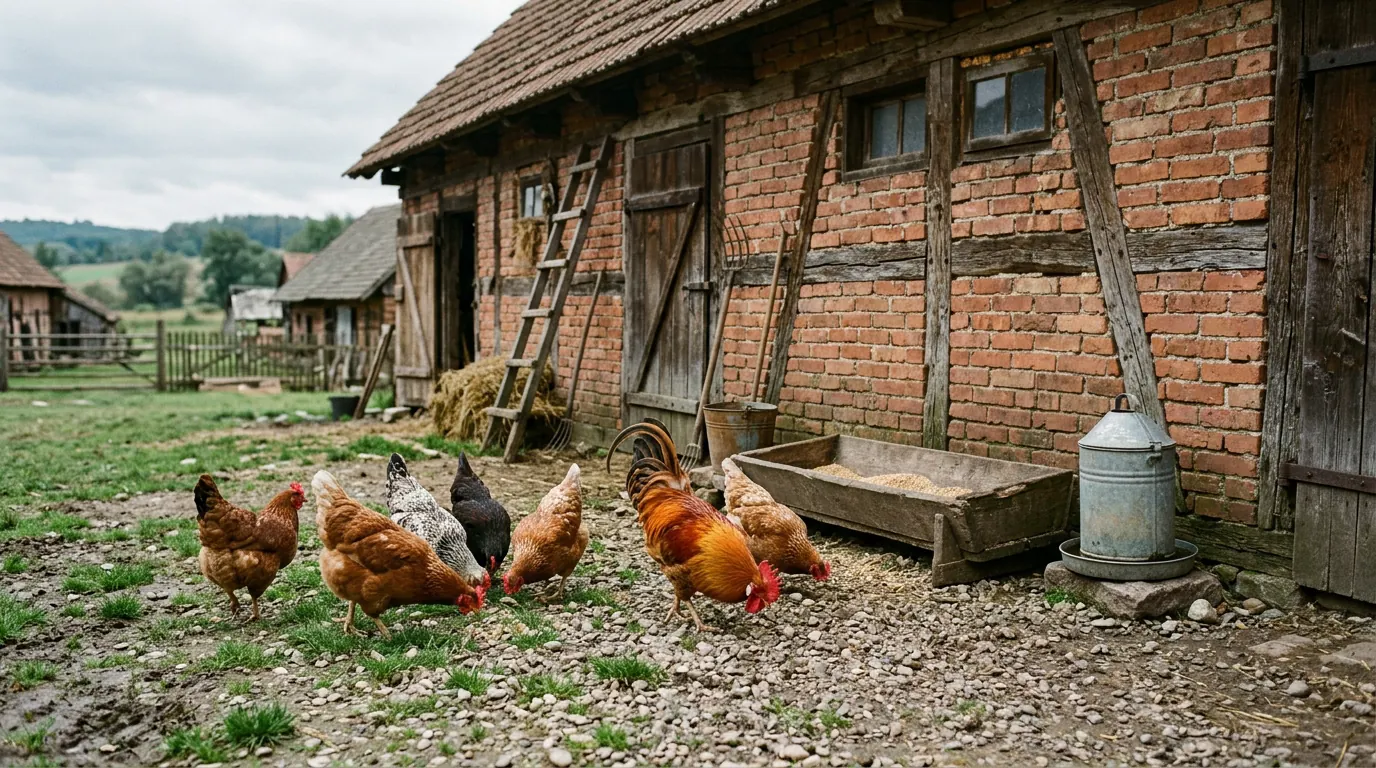
Cages for hens make sense when your goal is clear, the rules allow them and you can give the birds the welfare they require. For a small backyard flock, a coop with a run is usually better. On a large laying farm, enriched cages are a system used in practice, but they need the right equipment and constant checks. Cages for chicks are a different topic: rearing uses pens and brooder cages, and the choice depends on the species and the age of the birds.
What "cage" means in the rules
The word cage covers several solutions: the battery cage, the enriched cage and the brooder cage. They differ in stocking density, equipment and the way eggs are collected. European Union rules on protecting laying hens set requirements for cages. Poland's Chief Veterinary Inspectorate (Główny Inspektorat Weterynarii) and the Ministry of Agriculture and Rural Development (Ministerstwo Rolnictwa i Rozwoju Wsi) describe how they apply in Poland. The legal position described here is as of 22.11.2026. Check official sources before you decide, because rules can change.
When cages for hens make sense
Small farm and backyard flock
A dozen or so hens in a garden usually do not need a cage. Birds have more freedom in a coop with a run, and keeping them involves fewer duties. If the run is small and predators threaten the birds, a cage or a secured pen can be a sensible compromise. Before you decide on a cage, plan the space for your chicken run.
Large laying farm
On laying farms, enriched cages are used in practice because they make mechanical egg collection easier and cut losses. The decision still needs a building design, equipment and paperwork. Before you buy, check the housing requirements for laying hens and plan ventilation and stocking.
Welfare requirements in a cage
Movement, feed and water
Every caged bird must have access to feed and water, and room to stand, sit and stretch its wings. The position of drinkers and feeders decides whether weaker birds get pushed away from feed. Watch the flock every day. Hens that stand in a corner or do not go onto the perch signal a problem with stocking or equipment.
Enrichment and checks
Enriched cages have perches, nest areas and a scratching area. Check that they are present and in good condition on every walk-through. Write the results of your checks in your records, which makes inspections and stocking decisions easier. A poultry house records program helps with this.
What to calculate before you buy
Investment and running costs
The cost of a cage depends on the system, the size of the building, the way eggs are collected and the equipment required. We give no prices, because equipment prices change and depend on the maker and delivery. Count the whole system: ventilation, feed, labor and replacing worn parts. Ask several suppliers to quote for the same specification.
Feed and nutrition in a cage
Caged birds do not forage on a run, so the whole ration must be balanced. Match the feed to the age and production of the flock, and agree the feeding plan with an adviser. We cover feeding rules in our article on feeding laying hens. Agree any supplements with a vet or a nutrition adviser.
Cages for chicks: different rules
Rearing in a cage or pen
In the first weeks, chicks need warmth, easy access to water and feed, and room to move freely. Brooder cages and pens differ in height, floor area and the way they are heated. The choice depends on the species, the age at which you plan to move birds to the final flock and the space in your building.
Moving to the final flock
Before you move young birds into the final cage, check that they are even in weight and development. An uneven flock is hard to manage in one cage. Prepare your placement and cycle plan in advance, because it affects the stocking of the building and the work of your crew.
Rules and inspections in practice
What to check in the rules
Requirements for keeping hens, including cages, come from EU and Polish law. You will find the current text in ISAP (Internetowy System Aktów Prawnych, Poland's online database of legal acts), and explanations from the Chief Veterinary Inspectorate and the Ministry of Agriculture and Rural Development. In practice, inspectors look at the condition of the birds, access to feed and water, and your records. Requirements can change, so verify them before you invest.
Flock records
Keep records of stocking, mortality, treatment and walk-throughs. If you use medicines, observe the withdrawal period. A vet always chooses the medicine and the dose. Keep treatment records in the treatment and withdrawal module, and the state of the building in your poultry house records.
Frequently asked questions
Are cages for hens legal?add
It depends on the type of cage, the stocking and the current rules. Requirements for laying hens change, so check the current position in ISAP (Poland's online database of legal acts). Agree your interpretation with the county veterinary officer (powiatowy lekarz weterynarii).
Can hens live in a cage all the time?add
Keeping birds for long periods without room to move and scratch lowers their welfare. When you choose a system, look at the equipment and the behavior of the flock. Daily observation shows whether the birds cope in a given setup.
Is a cage cheaper than a coop with a run?add
The answer depends on scale, the building and the labor involved. We give no prices, because they change. Compare the cost of the whole system, not just the cage.
What is the best cage for chicks?add
The choice depends on the age and species of the birds and the space you have. Brooder cages differ in height and heating. Agree your choice with an adviser or a vet.
How do I check on hens in a cage?add
Walk through the flock every day and check access to feed and water. Note any mortality and changes in behavior. Data from your walk-throughs helps you decide on stocking and spot problems sooner.
Sources & resources
- linkChief Veterinary Inspectorate — gov.pl/web/wetgiw
- linkOnline System of Legal Acts — isap.sejm.gov.pl
- linkMinistry of Agriculture and Rural Development — gov.pl/web/rolnictwo
- linkNational Research Institute of Animal Production — izoo.krakow.pl
Prepared by: DlaFerm Team based on data from the sources listed · Publisher: INSTA-TECH sp. z o.o.
Do you keep hens in cages, or plan to?
The DlaFerm.pl <a href="/program-do-ewidencji-kurnika">poultry house records</a> module helps you keep stocking, walk-throughs and paperwork in one place. Create a free farm account on DlaFerm.pl and see how it works with your flock.
Phone
+48 796 258 151