Alfalfa and garlic for chickens: herbs in the diet
Alfalfa and garlic can add variety to a chicken diet as fresh greens or a dried ingredient. They do not replace a complete feed, and you need to control the amount and quality. Here is how to feed these herbs safely and when to talk to a vet about the diet.
verifiedFrom the team that has organised work on poultry farms for years.
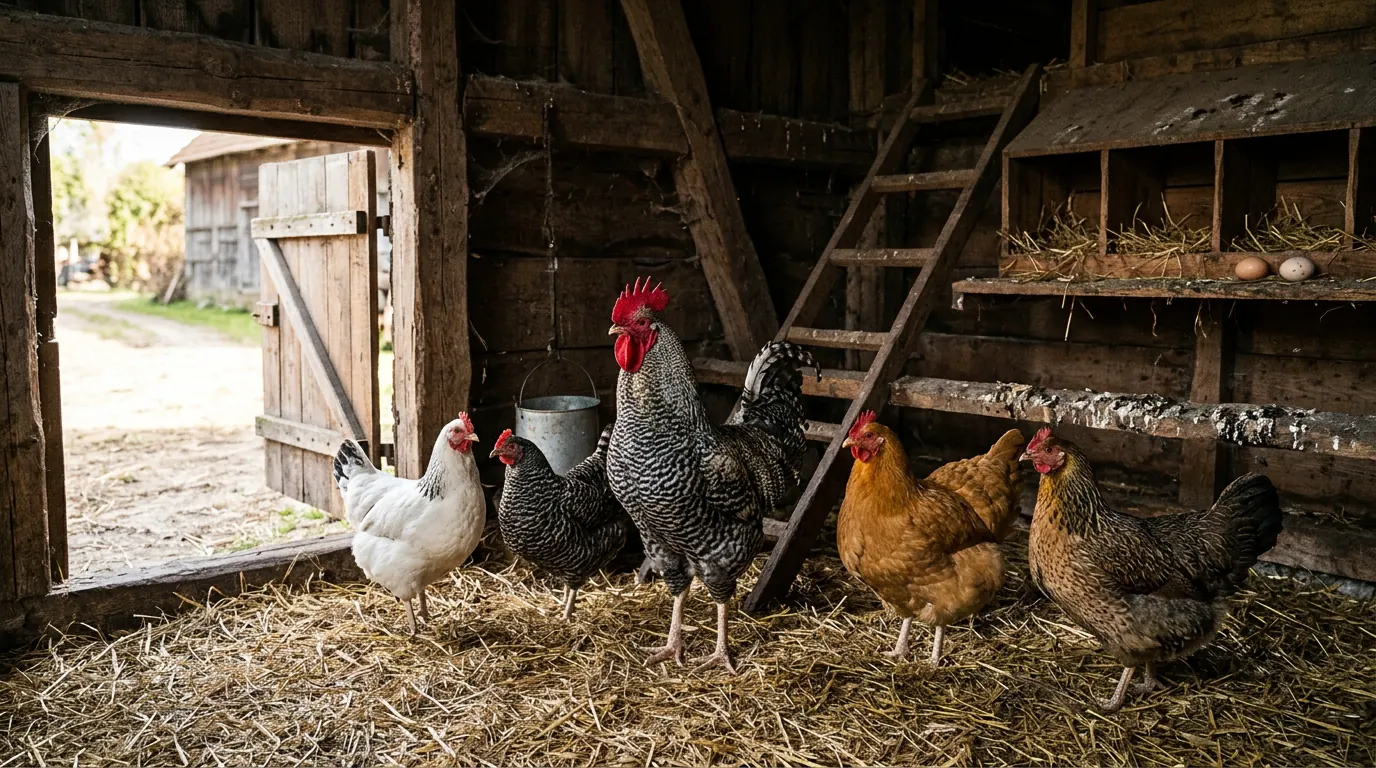
You can give chickens alfalfa and garlic as a supplement to their feed, but not as a substitute for it. The daily diet stays a mix matched to the age and purpose of the flock. Herbs add extra value: greens, fiber and plant compounds of varying composition. Sources describe the diet differently, so check what your birds already get before you add a new ingredient. For the rules on laying hen feed, see Feeding laying hens.
Why herbs end up in the coop
Keepers have long given hens greens from the run, as well as cooked or dried herbs. With free range access, birds look for grasses, leaves and herbs themselves, so feeding them is a natural extra. When birds are kept in limited space, herbs can add variety and make the feed more interesting. Remember that herbs are not a steady source of all nutrients, and their value depends on the species, freshness and how you prepare them. For more on supplements, see Phytobiotics and herbs in poultry feed.
Alfalfa in the chicken diet
What alfalfa offers
Alfalfa is a forage plant from the legume family. As fresh greens or meal, it supplies fiber, some plant protein and many minerals and pigments. Its nutritional value depends on the growth stage: young alfalfa is more digestible than woody, overgrown alfalfa. So when you choose it, look at the condition of the plant, not only at whether it is green.
Fresh or dried
Fresh alfalfa from your own field is cheap and easy to get, but you must check it. It must not be moldy, dirty with soil, or come from places where crop protection products were used without respecting the waiting periods. Alfalfa meal is easier to store and dose, and its composition is more consistent. Give either one as an addition to the mix, not as the only source of feed.
Be careful with the amount
Too much fiber and greens can lower energy intake and make the whole ration less digestible. Introduce alfalfa gradually. Watch droppings, appetite and laying, and compare the flock with previous weeks. If the birds stop eating their mix, cut back the supplements. Agree the exact amount with a nutrition adviser, because it depends on age, purpose and the base feed.
Garlic in poultry feeding
Why keepers reach for garlic
Garlic has long been added to poultry feed and water for its distinct smell and for effects that keepers describe as supporting the general condition of the flock. Research on its effect on bird health is mixed, and results depend on the form and the dose. So do not treat garlic as a medicine or a preventive without a vet's advice.
Effect on eggs and meat
The strong sulfur compounds in garlic can pass into eggs and tissues and change the taste or smell of the product. In a laying flock, check whether you or your customers notice a difference in the eggs. The more garlic in the daily portion, the higher the risk of such a change. So keep the dose small and steady, not random.
Form
Fresh, dried and powdered garlic differ in how concentrated they are. A fresh clove is harder to dose evenly, because its composition depends on the variety and storage. Powder or dried granules mix into feed more easily, and birds reject them less often when the taste is too sharp. Do not give garlic in large pieces: it sits in the crop and is not taken up evenly.
How to feed herbs safely
Check the raw material
Every herb should be clean, dry where that is required, and free of mold. Mold on alfalfa or garlic can make toxins you cannot see with the naked eye. Throw out batches that smell bad, feel slimy or show visible fungus. Store herbs in a dry place, away from rodents and damp, and close the sacks after each use.
Introduce changes slowly
Bring in each new ingredient over several days, and write down the start date and the amount. That makes it easier to link a drop in laying or a change in condition to a specific supplement. If the flock reacts with diarrhea, apathy or lower appetite, stop the new ingredient and talk to a vet.
Water and cleanliness
Herbs thrown into the drinker break down fast and help bacteria grow. If you add them to water, prepare one day's portion and remove leftovers. Keep feeders clean too, because wet greens attract dirt. We cover drinking hygiene in Automatic drinkers for chickens.
Herbs and treating the flock
Herbs are not a medicine
If the flock is sick, do not replace treatment with herbs or feed supplements. The vet chooses the medicine and the dose based on a diagnosis. You can give herbs alongside only if the vet agrees, because some ingredients can affect how a medicine works or how much the birds eat.
Withdrawal period and records
The withdrawal period counts from the last dose of the medicine, not from the end of a herbal course. The rule is simple: eggs and meat cannot go on sale before the withdrawal period in the medicine's documentation has passed. Record every treatment and every diet change so you can show what you gave and when. The Treatment and withdrawal module helps, and it reminds you of the dates when products can go on sale again.
Feed regulations
Feed additives, including plant ingredients, fall under feed law and official supervision. Check the current text of the act in ISAP (Poland's Internet System of Legal Acts) for the requirements on the composition and labeling of raw materials you buy or produce yourself. Check the legal position before each change, and if in doubt, ask the county veterinary officer.
Herbs in a laying hen feeding plan
Base first, supplements after
Before you add alfalfa or garlic, check that the base mix covers the need for energy, protein, calcium and phosphorus at the current stage of lay. Herbal additions should not stand in for nutrients missing from the feed. If the mix is badly matched, herbs will not fix it, and they can disturb feed intake even more.
Talk to an adviser
Nutrition advisers, feed producers and research institutes such as the Institute of Animal Science (Instytut Zootechniki PIB) set feed composition and nutrition norms for chickens. Before you change the diet, ask for a list of nutrients and compare it with the current ration. Record the results in your flock software so that after a few weeks you can see how the change affected laying and feed use.
Observe and record
The best test is a daily log: how many laying birds, how many eggs, what the droppings look like and how much feed is used. Write changes down at once, with the date. After a few weeks it is easier to judge whether a supplement makes sense in your flock. For general rules on diet composition, see our article on vitamins for chickens, and for practice on the range, our guide to the chicken run.
Frequently asked questions
Can chickens eat alfalfa?add
Yes. You can give chickens alfalfa as a feed supplement or as fresh greens. It must be clean, with no mold or dirt. Give it in small portions that you raise gradually, not as the main feed.
Is garlic safe for chickens?add
You can give garlic in small amounts, but its strong smell can pass into eggs and change their taste. Its health effects are not clearly confirmed, so do not treat it as a medicine. If you are unsure, check the dose with a vet.
Can herbs replace treatment?add
No. A vet treats a sick flock and chooses the medicine and dose. Herbs do not replace treatment and do not shorten withdrawal periods. Give plant supplements only with the vet's agreement.
How much herb should chickens get in their diet?add
It depends on the age of the birds, their purpose, the base feed and the type of herb. Young and laying hens have different needs. Agree the exact amount with a nutrition adviser and watch the flock's reaction over several weeks.
How do you store dried herbs for chickens?add
Keep them in a dry, airy place in sealed containers, away from rodents and damp. Check the smell and look often. Throw out batches with mold or a bad smell.
Should you keep a record of feeding herbs?add
Yes. Write down the start date, the type and amount of the supplement and what you see in the flock. Records help you judge the effect of the diet on laying and feed use, and in an inspection they show what you gave.
Sources & resources
- linkChief Veterinary Inspectorate (Główny Inspektorat Weterynarii): gov.pl/web/wetgiw
- linkInstitute of Animal Science PIB (Instytut Zootechniki): izoo.krakow.pl
- linkEFSA: efsa.europa.eu
- linkInternet System of Legal Acts (ISAP): isap.sejm.gov.pl
Prepared by: DlaFerm Team based on data from the sources listed · Publisher: INSTA-TECH sp. z o.o.
Do you keep laying hens and want to record diet and treatment?
The DlaFerm.pl poultry farm management program records feeding, treatment and withdrawal periods in one place. Create a free farm account in DlaFerm.pl and see how it works in practice.
Phone
+48 796 258 151