Hatcher: what it is and how it differs from an incubator
A hatcher is a separate machine (or a separate chamber) for the last days of incubation. You move the eggs into it from the main incubator just before they hatch. The split matters mostly for larger, multi-batch hatching. If you hatch a single batch now and then, the same machine that held the eggs from day one usually does the hatcher's job too.
verifiedFrom the team that has organised work on poultry farms for years.
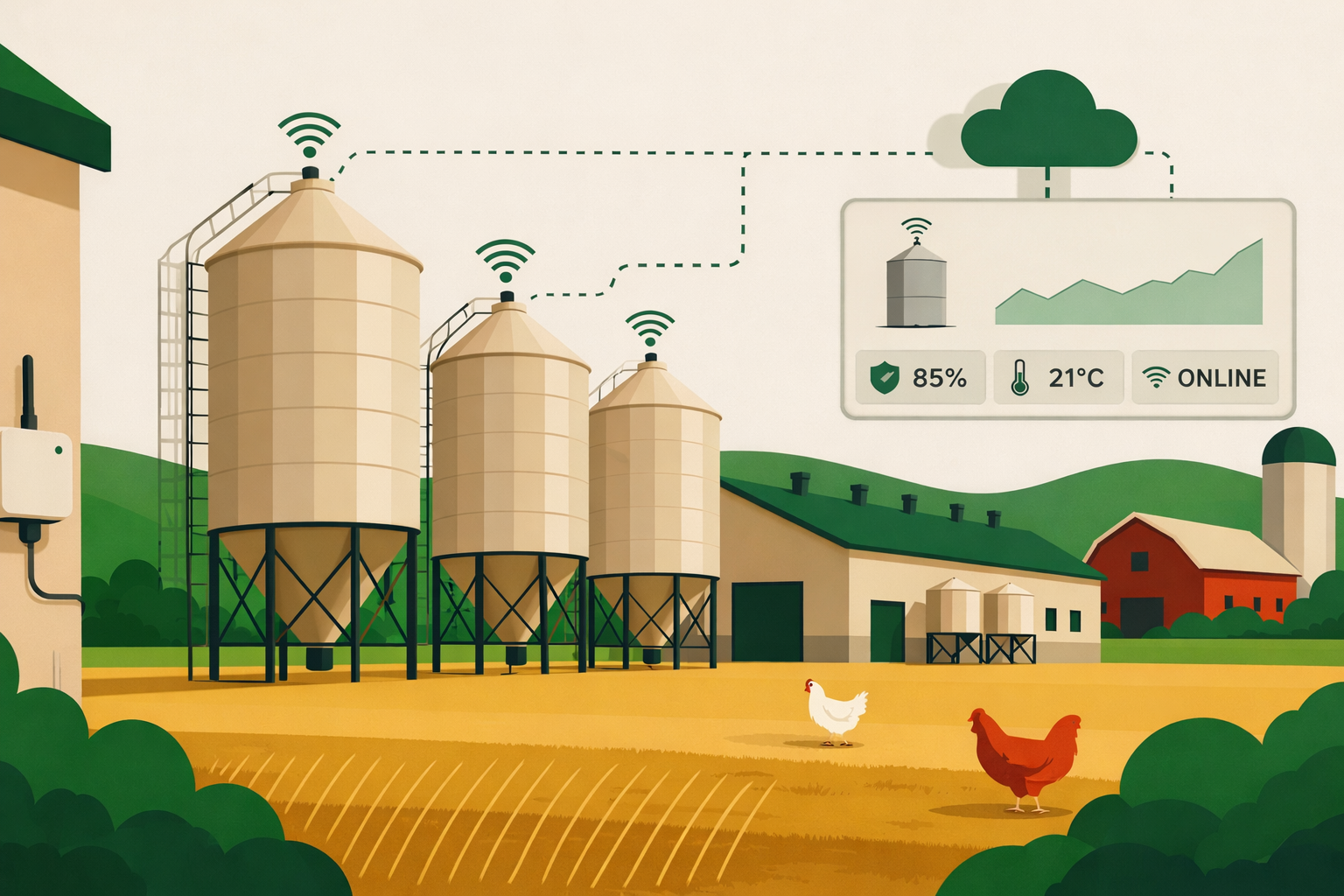
A hatcher is a machine, or a separate chamber inside a larger incubation unit, where eggs spend only the final stretch of incubation. For chickens that is usually the last 2–3 days. The eggs spend the rest of the cycle in the setter, which most people simply call the incubator. The difference is not cosmetic: a setter and a hatcher run on different settings and do different jobs, as explained below.
Why separate the setter and the hatcher?
Hatching is messy. Shells crack, down and damp debris are left behind, and the risk of passing bacteria to eggs that are still developing goes up clearly. A separate hatcher keeps that mess away from the setter, which holds newer batches at earlier stages. The second reason is practical: you can set the hatcher differently from the setter (see the section below) without disturbing eggs that still have a couple of weeks of development ahead.
When the hatcher is not a separate machine
In small hobby incubators (one batch at a time, a handful to a dozen or so eggs), one machine usually serves as both setter and hatcher. For the last days you simply switch off turning and raise the humidity in the same chamber. That works fine as long as you never have several batches at different stages inside at once. A separate hatcher starts to make sense once that stops being true; see the section on when you need one below.
How a hatcher works
No egg turning
This is the biggest difference from a setter: you do not turn eggs in a hatcher. Turning only makes sense while the embryo is still growing and could stick to the shell membrane. At lockdown the chick starts positioning itself to hatch, and any movement of the egg can get in its way. So ads for an "automatic incubator with turning" describe a setter feature, not a hatcher feature. In good equipment you can switch turning off for this stage, or you move the eggs to a separate chamber without a turner.
Higher humidity
A hatcher runs clearly higher humidity than a setter. Higher humidity softens the inner shell membranes and helps the chick break out. For exact values for chicken eggs, including when to switch from lower to higher humidity, see our guide to incubating poultry eggs. It also gives the full parameter schedule for the whole cycle, not just lockdown. You can also read how to set humidity in an incubator.
Easier cleaning
Hatchers are usually simpler in design than setters. They have no turning mechanism, but they do have a smoother floor and a tray that is easy to lift out and wash after each hatch. That matters in practice: after hatching you are left with shell fragments, down and damp debris, and thorough disinfection between batches lowers the risk of passing bacteria to the next one.
When you need a separate hatcher
Several batches at once
A separate hatcher pays off where the setter runs almost non-stop. If you load new eggs every few to a dozen days, the setter always holds eggs at different stages. Without a separate hatcher, every hatch puts the developing eggs next to it at risk. That is a hygiene problem, and also a settings problem, because the setter would have to run on lockdown settings for several days, which are wrong for the rest of the batches.
Single, occasional hatches
If you hatch now and then, and always one batch at a time, you usually do not need a separate hatcher. The same chamber can handle the whole cycle, as long as you can switch off turning and raise humidity for the last days. Only regular, multi-batch production, or many eggs in the machine at the same time, justifies buying a second unit.
Automatic hatchers and incubators
You can buy automatic egg incubators, with built-in humidity control and turning for the setter stage, and standalone automatic hatchers. Hatchers usually put their effort into simpler but stronger humidity control instead of a turner, because turning is not used there. For general buying criteria (capacity, parameter control, ease of cleaning) see our guide on choosing an egg incubator. You can also build a simple unit yourself; see homemade egg incubators. Hatchers are also used for species other than chickens, including waterfowl such as mallard ducks. Settings differ enough that you should check them for each species rather than assume chicken settings, and for geese see goose egg incubation.
Frequently asked questions
What is a hatcher?add
A hatcher is a machine or a separate chamber where eggs spend the last days before hatching, usually 2–3 days for chickens. You move eggs into it from the main incubator (the setter) so the mess of hatching, such as shells and down, does not threaten eggs that are still developing in the setter.
What is the difference between an incubator and a hatcher?add
In everyday use, an incubator usually means a setter: the machine where eggs stay for most of the cycle, get turned regularly and sit at lower humidity. A hatcher is a dedicated chamber for the final stage only. Turning is off, because the chick is positioning itself to hatch and should not be disturbed, and humidity is clearly raised. In small hobby incubators the same machine usually does both jobs. A separate hatcher mainly makes sense for larger, multi-batch hatching.
Do I need a hatcher if I only hatch one batch at a time?add
Usually not. If your incubator lets you switch off turning and raise humidity for the last days, the same chamber can run the whole cycle. A separate hatcher becomes worthwhile when you run several batches at different stages at the same time.
What is a good egg incubator?add
It depends on the scale of your hatching and how regularly you plan to hatch, so there is no single best model. We cover the full criteria (capacity, automatic turning, temperature and humidity control, ease of cleaning) in a separate guide: how to choose an egg incubator.
Sources & resources
- linkUniversity of Illinois Extension — Incubation and Embryology
- linkNorth Carolina State University Extension — Poultry Incubation
- linkAviagen — Ross Broiler Management Handbook (aviagen.com)
Prepared by: DlaFerm Team based on data from the sources listed · Publisher: INSTA-TECH sp. z o.o.
Do you hatch on a larger scale?
DlaFerm lets you record data for each hatch batch, from loading the setter to the hatch result. Create a free farm account or get in touch and we will show you how it works.
Phone
+48 796 258 151