Feed mixer: how to choose one and what to check before you buy
A feed mixer blends your own grain with a premix or concentrate on the farm, instead of buying ready-made complete feed. We explain the types of mixer, how to match size to your flock and what to check when buying a used machine.
verifiedFrom the team that has organised work on poultry farms for years.
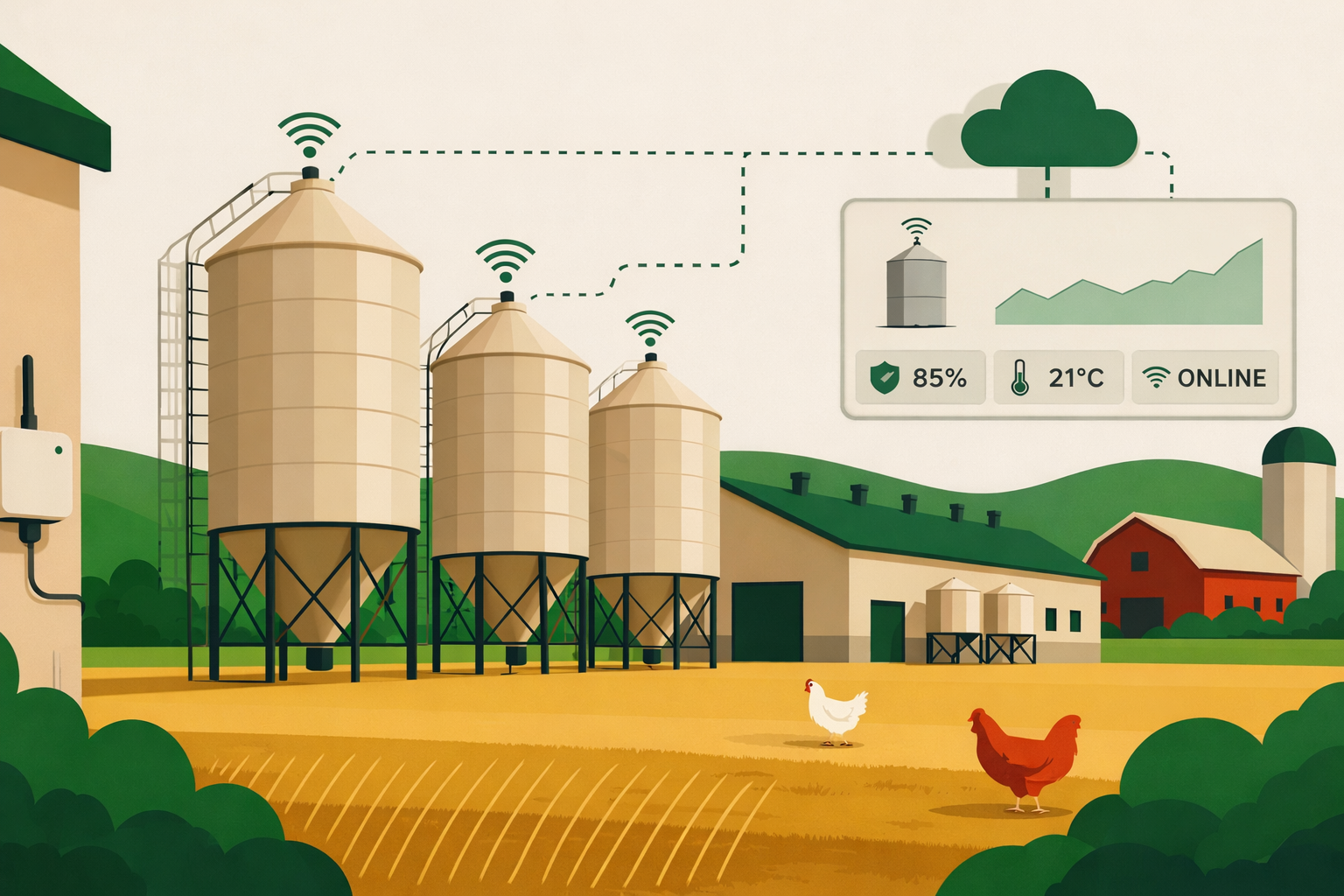
A feed mixer is a machine that blends feed ingredients on the farm. Usually these are your own or purchased grain, meal and a mineral and vitamin premix. Instead of buying complete feed from a mill, you make the mix yourself in batches and match it to the age and growth phase of the flock.
Why keepers mix their own feed
The main reason is cost. With a larger flock, buying grain and premix separately can be cheaper than ready-made feed, especially when part of the grain comes from your own fields. The second reason is control over the recipe. A mixer lets you change proportions between feeding phases (starter, grower, finisher) without waiting for a delivery of a different feed. Check ingredient proportions and calculations in the feed recipe calculator. The mixer carries out the recipe; it does not work it out.
Feed mixer vs feed mill service and mixer wagon
An on-farm mixer is not the same as a feed mill service, where a supplier prepares mixes to order and delivers them to the farm. The mixer is your own equipment and you run it yourself. A mixer wagon is a different machine again. It is a larger, tractor-driven unit used mainly on cattle farms to prepare bulky rations such as TMR. It is rarely used with poultry, because the scale and the ingredients are different.
Types of feed mixer
Vertical and horizontal mixers
A vertical mixer has one or more augers turning in an upright tank and lifting the ingredients from the bottom to the top. It suits small and medium batches and takes up less floor space. A horizontal mixer has a horizontal drum with paddles or beaters. It usually mixes faster and more evenly in larger batches, but needs more room and a stronger drive.
Hammer-type mixers
In a hammer-type mixer, a rotor with beaters crushes the grain and mixes it with the other ingredients in one cycle. This is handy when grain has to be cracked first. On smaller farms it is sometimes combined with a roller mill or grinder into one workstation, which cuts the number of times feed has to be moved.
Size: capacity classes typical for small and medium farms
In listings and catalogs you most often see mixers holding a few hundred kilograms per batch. These suit smallholdings and smaller farms that mix feed every few days rather than continuously. Larger farms use mixing systems tied into feed bins and conveyors, covered on the pages about feed silos and auger feed lines. Work out the size from what your flock needs. The broiler feed requirement calculator helps with that.
Buying a new or used feed mixer
Why the used market is so big
A feed mixer is mechanically simple, with no electronics that tend to fail: a motor, a gearbox and a shaft with augers or beaters. With regular servicing it can run for years. Many farmers who retire or scale down sell working machines, and people starting a farm are happy to buy them instead of paying full price for a new one.
What to check when buying used
Before you buy, check the motor and gearbox (listen to it running empty and look for signs of overheating) and the bearings (play on the shaft, noise). Check wear on the paddles or beaters and whether the tank and guards are tight, since leaks mean spilled feed and losses. Ask the seller for the service history. Make sure the machine has its manual and safety guards that meet local rules. Buying from photos alone, without inspecting the machine in person, is risky for equipment of this value.
When it is better to buy new
A new machine comes with a warranty and certainty about its condition. That matters when the farm is growing and the mixer will run every day, so a breakdown would be costly. On a smaller farm where mixing is occasional, a well-kept second-hand machine is usually enough.
Frequently asked questions
What is the difference between a feed mixer and a feed mill service?add
A feed mixer is equipment you own and run on your own farm. A feed mill is a service: an outside producer prepares the mix to order and delivers it ready. The choice depends on the size of your farm and whether your own equipment pays off.
What feed mixer should I choose for a small poultry farm?add
On a small scale a vertical mixer holding a few hundred kilograms per batch usually works well. It takes little space and is enough if you mix feed every few days. With a larger flock and more frequent mixing, consider a horizontal mixer or a system tied into a feed bin.
Is it worth buying a used feed mixer?add
Yes. It is a common, mechanically simple machine that stays in working order for a long time if serviced well. Inspect it in person before buying, check the motor, bearings and paddles, and ask for the service history. That way you avoid a machine that needs an expensive repair straight away.
Can a feed mixer replace a mixer wagon?add
No, they are different machines for different jobs. A feed mixer blends dry ingredients (grain, meal, premix) into poultry feed on the farm. A mixer wagon is a larger, tractor-driven machine used mainly on cattle farms for bulky rations, and it has no place on a typical poultry farm.
Prepared by: DlaFerm Team · Publisher: INSTA-TECH sp. z o.o.
Planning your feeding and want feed costs under control?
DlaFerm tracks feed use per flock and the feed cost per kilogram of live weight. Try it with the <a href="/program-do-zarzadzania-ferma-drobiu">farm management software</a>, then create a free farm account or get in touch and we will show you how it works.
Phone
+48 796 258 151